

Telemedicine for Minor Skin Concerns in Kids
Minor skin issues are common in childhood—but they can still feel stressful for parents. The good news: not every pediatric concern requires a trip to the office. With a virtual visit, Powers Pediatrics can help you review symptoms, discuss safe next steps, and determine whether your child needs an in-person exam, testing, or treatment.
What a virtual visit can do for minor skin concerns
During a telemedicine visit, your Powers Pediatrics provider may be able to:
- Ask about symptoms (timing, triggers, itch/pain, spreading, exposure)
- Review photos you share before or during the visit
- Guide home care for irritation and mild rashes
- Help you decide whether creams, moisturizers, or other treatments are appropriate
- Discuss insect bite care and when it becomes concerning
- Address acne and mild skin changes
- Review medications and skin products you’re already using
- Plan follow-up care or recommend an in-person visit if needed
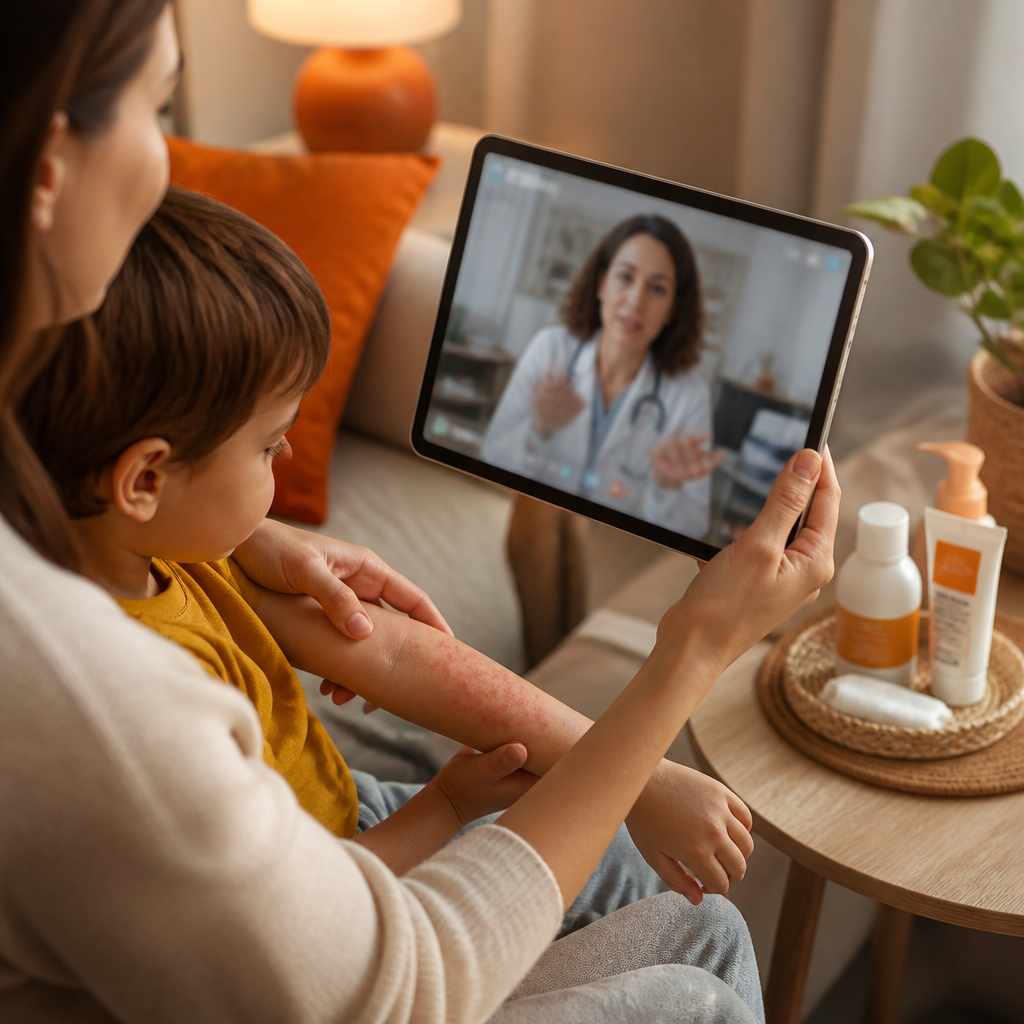
Common minor skin concerns families ask about virtually
Telemedicine may be a helpful first step for issues like:
- Rashes and skin irritation (mild redness, dryness, or localized irritation)
- Insect bites (itchy bumps, localized swelling)
- Mild acne (comedones, inflamed breakouts without severe swelling)
- New mild skin changes (small areas of discoloration or irritation)
- Follow-ups after starting a treatment plan
- Medication questions related to skin care (what to use, how often, what to expect)
If symptoms worsen quickly, your child seems very ill, or you’re unsure about severity, your provider can help you determine the safest next step.

How to prepare for a virtual skin visit (quick checklist)
To help your provider assess your child’s skin concern as accurately as possible:
- Gather key details
- When the skin issue started
- Whether it’s itchy, painful, burning, or spreading
- Any recent changes (new soap, lotion, detergent, clothing, outdoor exposure)
- Known allergies or eczema history
- Take clear photos
- Good lighting and a steady close-up
- Include a wider photo showing where it is on the body
- Take photos over time if the rash is changing quickly
- List what you’ve tried
- Names of creams/ointments/lotions (and the ingredients if you know them)
- Whether your child is using any over-the-counter “antibiotic,” steroid, or acne products
- Any medications taken by mouth
- Be ready to share symptom “updates”
- Is your child sleeping better or worse?
- Is itching improving or getting worse?
- Any new symptoms since you first noticed it?
What happens during the visit
A Powers Pediatrics telemedicine visit typically includes:
- A review of your child’s symptoms and medical history
- Photo/photo review (if shared)
- Questions to check for red flags
- Home-care guidance or a plan for treatment
- A decision about whether an in-office exam is needed for hands-on evaluation, testing, or specialized treatment
When a virtual visit may not be enough (and in-person care is needed)
Even with telemedicine, some situations require an in-office visit. Your provider may recommend in-person evaluation if there are signs of:
- Infection concerns that need physical exam and/or testing
- Worsening rash progression that can’t be safely assessed by photos
- Severe or rapidly spreading skin symptoms
- Need for procedures, swabs, or other hands-on diagnostics
- Uncertainty that prevents safe treatment planning remotely
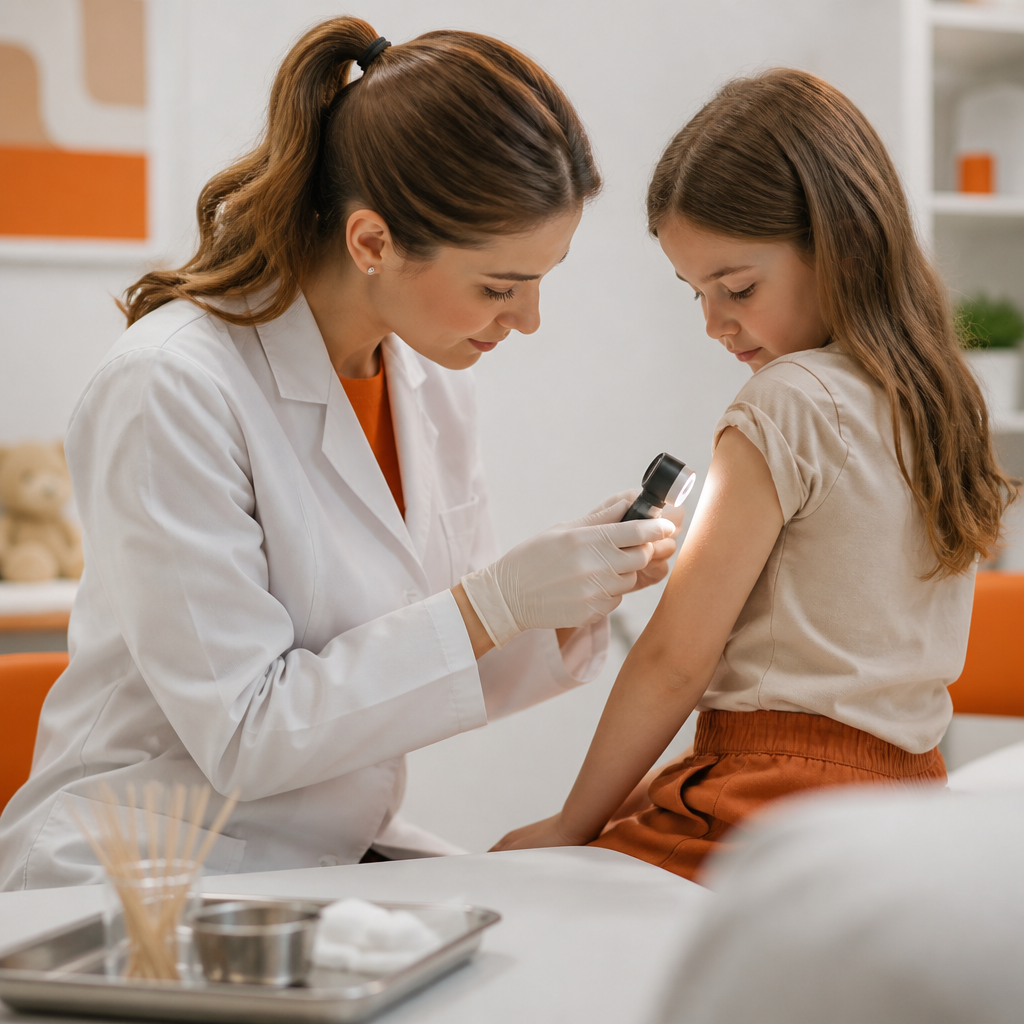
PMC Disclaimer (medical information vs. personal care)
Telemedicine guidance is based on your child’s symptoms, history, and visual information provided during the visit. While medical literature (including resources available through PubMed Central) can support general education about skin conditions, your child still needs individualized assessment.
PMC Disclaimer: Information discussed during your virtual visit is not a substitute for professional medical diagnosis. It’s intended to help guide next steps for your specific situation, and your provider may recommend in-person care if necessary.
Emergency Resources (know when to seek urgent help)
If your child has any emergency warning signs, don’t wait for a virtual visit—seek urgent care immediately.
Call 911 or go to the nearest emergency department if your child has:
- Trouble breathing, wheezing, or swelling of the lips/tongue/face
- Severe weakness, lethargy, or looks seriously ill
- Rapidly spreading rash with a fever or signs of severe illness
- Signs of a serious allergic reaction
Emergency Resources for non-life-threatening but urgent concerns
- If you think your child may have swallowed a medication or product, contact Poison Control (US: 1-800-222-1222) for immediate guidance.
- If you’re unsure whether a symptom is urgent, contact your child’s pediatric clinician or local urgent care.
Cosmetics and skin safety (what to ask about during telemedicine)
Parents often ask whether everyday products are worsening irritation. Your provider can help you think through Cosmetics-related skin concerns such as:
- New or fragranced lotions/creams
- Hair products that touch the face or neck
- Makeup or sunscreen changes
- Lip balms or balms applied during outdoor play
- Overuse of cleansing wipes or harsh soaps
Practical tips your provider may recommend:
- Stop or pause new products temporarily when a rash appears
- Use gentle, fragrance-free moisturizers if dryness is part of the problem
- Avoid trying multiple new products at once (it can be hard to identify what helped vs. what worsened)
- Share ingredient names if you’re unsure (telemedicine is much faster with specifics)
Avoiding unapproved products or “miracle” treatments
Sometimes families ask about treatments they saw online or products that promise fast results. It’s important to focus on what’s appropriate and approved for your child’s age and condition.
The FDA has issued warnings about unapproved drugs and safety concerns in other contexts—highlighting why it’s crucial to avoid using unapproved medications or questionable “miracle” products. For pediatric skin concerns, your safest path is to discuss any product (topical or oral) with your clinician before using it.
During your telemedicine visit, bring:
- Product names (and photos of labels if possible)
- Any prescription meds currently being used
- Any compounded or online-purchased treatments you’re considering
If you’re worried about safety or neglect
A rash can sometimes be part of a bigger issue. If you suspect a child is being harmed or neglected, follow your local guidance for reporting concerns.
For example, public guidance from state agencies (including reporting processes for vulnerable individuals) emphasizes that concerns should be reported through appropriate local channels when safety is at risk. If you’re ever unsure, you can contact local child protection resources or emergency services as appropriate.
FAQs: Telemedicine for Minor Skin Concerns
Can you diagnose rashes through a virtual visit?
Often, providers can identify likely causes and recommend safe home care or treatment. Photos and symptom history help a lot. If the condition can’t be safely determined remotely, your provider may recommend an in-person visit.
What if my child’s rash is spreading?
Share updated photos during the process and describe how quickly it’s changing. Your provider will help determine whether continued home care is appropriate or if you should be seen in person.
Will you tell us whether we should use a specific cream or ointment?
Yes—your provider can review what you’re using and guide the next step (including what to stop, what to continue, and what to consider instead), based on your child’s symptoms.
Can telemedicine help with insect bites?
Yes. Providers can guide bite care, symptom management, and what to watch for—especially if you share photo details and describe swelling/itching.
Is telemedicine appropriate for acne?
For mild acne and early breakouts, telemedicine can be a helpful start. Your provider can discuss gentle skincare routines and treatment options, and can recommend in-person care if needed.
What about fever with a rash?
Fever changes the risk level. Tell your provider right away during scheduling and the visit. If there are concerning symptoms, an in-person evaluation may be recommended.
Can I discuss cosmetics or skin products during the visit?
Yes. Bring product names and share what changed recently. Providers can help you decide what may be contributing and how to simplify a routine safely.
Ready to talk to a Powers Pediatrics provider?
If you’re dealing with a non-emergency rash, irritation, insect bites, acne, or a mild skin change, a telemedicine visit can be a convenient way to get pediatric guidance from home—while still ensuring your child is seen in person when hands-on evaluation is needed.
CTA Options:
- Request a Telemedicine Visit with Powers Pediatrics
- Learn More About Virtual Pediatric Visits
Conclusion
Not every pediatric skin concern requires an in-office trip. With telemedicine from Powers Pediatrics, parents in Orlando can get timely, trusted guidance for many minor skin issues—plus clear direction on whether home care is appropriate or if an in-person exam is the safest next step.
References (from provided SERP sources)
- PubMed Central (PMC) article: https://pmc.ncbi.nlm.nih.gov/articles/PMC3078015/
- Washington State DSHS—reporting concerns involving vulnerable individuals: https://www.dshs.wa.gov/adult-and-aging-services/report-abuse-and-neglect/report-concerns-involving-vulnerable-adults
- FDA—concerns about unapproved drugs: https://www.fda.gov/drugs/drug-alerts-and-statements/fdas-concerns-unapproved-glp-1-drugs-used-weight-loss as locked source material.