

School Readiness Milestones for Preschoolers
Preschool & Kindergarten Readiness Milestones
When you’re wondering whether your child is ready for preschool, pre-K, or kindergarten, it helps to know this: every child develops at their own pace—but early guidance matters, especially when you’re seeing changes in communication, learning, behavior, or social skills.
This guide is here to help you:
- Understand what “school readiness” includes (beyond ABCs)
- Check common milestones for early learning
- Recognize when developmental concerns deserve a pediatric conversation
- Know what support can look like through family-centered pediatric care at Powers Pediatrics in Orlando, FL
What “School Readiness” Really Means
School readiness is more than academic skills. Most preschool and kindergarten programs look for strengths across several areas:
1) Communication & Language
- Understanding simple directions
- Expressing needs and ideas clearly
- Using age-appropriate vocabulary and speaking in sentences (as development allows)
2) Social-Emotional Skills
- Making and keeping simple friendships
- Taking turns and handling frustration with support
- Showing growing confidence away from caregivers
3) Early Learning Skills
- Engaging in play-based learning
- Recognizing patterns (colors, shapes, routines)
- Showing curiosity and willingness to try new tasks

4) Attention, Behavior, and Learning Readiness
- Staying engaged for short periods
- Following classroom-style routines
- Managing transitions (with reminders)
5) Motor Skills (Movement + Hand Skills)
- Running/jumping/climbing for gross motor development
- Drawing, coloring, using utensils, and using tools for fine motor development
6) Self-Help Skills & Independence
- Dressing with support
- Using the bathroom independently (or working toward it)
- Taking care of basic classroom needs (coats, backpacks, cleanup routines)
Background context: Research and educators have reported rising concern about children arriving at school without the skills they need to participate confidently—especially in areas like language, self-regulation, and social readiness.
Why Readiness Can Be Challenging (Even When Parents Are Trying)
It’s common for parents to worry when a child seems “behind,” but readiness can be influenced by many factors, including:
- Language development differences
- Hearing/vision issues that affect learning and communication
- Attention and behavior regulation challenges
- Delayed fine or gross motor skills
- Social-emotional development that needs support
- Changes in routine, stress, or limited opportunities for structured play and interaction
When these factors stack up, a child may struggle not because they lack ability, but because the foundation skills are still developing.
Preschool to Kindergarten: Milestones Parents Commonly Track
Below are typical milestone areas many families use as a guide. Your child may be ahead in one area and still catching up in another. Focus on patterns and whether skills are progressing over time.
Around Age 3 (Preschool Readiness Starts Here)
Communication
- Uses words to request help/comfort
- Can be understood more often by familiar adults
- Responds to familiar routines and simple requests
Social-Emotional
- Plays alongside others (parallel play is normal)
- Calms with caregiver support
- Shows growing awareness of rules with reminders
Early Learning
- Engages in pretend play
- Follows simple routines with cues
Motor Skills
- Runs and climbs with increasing coordination
- Begins using crayons/markers with more control
Self-Help
- Feeds self; begins managing clothing with assistance
Around Age 4 (Pre-K Readiness Often Looks Like “Participates”)
Communication
- Speaks in longer phrases or sentences
- Can answer simple questions (who/what/where) with support
- Follows 2-step directions more reliably
Social-Emotional
- Takes turns with prompting
- Shows interest in peer play and games
- Begins handling transitions with fewer “battles”
Early Learning
- Notices similarities/differences (same/different)
- Participates in group activities for short stretches
Attention/Behavior
- Stays focused longer with reminders
- Uses words (not only behavior) to express needs
Motor Skills
- Draws recognizable shapes; uses scissors with growing control
- Eats and dresses with more independence
Around Age 5 (Kindergarten Readiness Builds Independence)
Communication
- Often understandable to unfamiliar adults
- Tells simple stories or explains events
- Understands and uses new vocabulary from everyday life and activities
Social-Emotional
- Works with peers cooperatively (with occasional help)
- Manages disappointment with coaching
- Can follow classroom-style expectations most days
Early Learning
- Shows interest in letters, sounds, numbers, and stories (as development allows)
- Can retell events in order (beginning/middle/end)
Attention/Behavior
- Can focus during teacher-led activities longer than at age 4
- Handles transitions with less frequent breakdowns
Motor Skills
- Uses utensils well; can manage basic classroom tasks
- Coordinates movements for play, games, and school activities
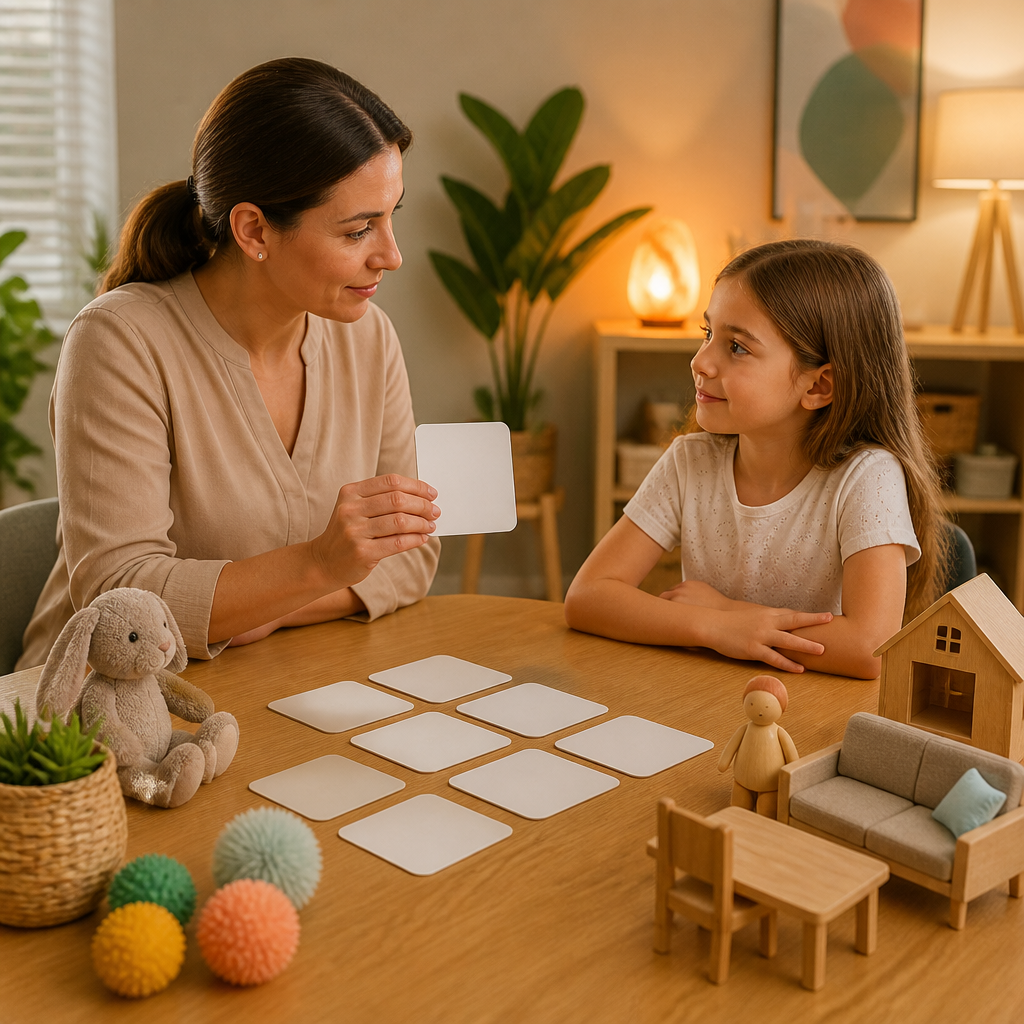
Common Developmental Concerns That Can Affect School Readiness
If you’re worried about readiness, it helps to identify what you’re seeing. Here are frequent concerns parents notice:
Speech, Language, and Understanding
Consider discussing with your pediatrician if your child:
- Is hard for others to understand most of the time
- Has difficulty following directions
- Avoids speaking or seems frustrated when trying to communicate
- Doesn’t respond consistently to their name or sounds (possible hearing concerns)
Social Communication and Play
Consider support if your child:
- Has limited eye contact or rarely seeks social interaction
- Finds pretend play extremely difficult
- Struggles to engage with peers in a typical way
- Displays frequent, intense distress around social changes
Behavior and Self-Regulation
Consider checking in if your child:
- Has frequent meltdowns that feel unmanageable even with strategies
- Has difficulty calming down after stress
- Seems unable to follow simple routines even with reminders
- Has significant trouble with transitions
Learning Readiness (Not Just Academics)
Consider support if your child:
- Avoids trying tasks or gives up quickly
- Struggles to engage with early learning activities (books, sorting, building)
- Can’t participate in group activities even with accommodations
Motor Skills (Fine or Gross)
Consider discussing if your child:
- Avoids drawing, coloring, or using small tools
- Has difficulty with handwriting readiness (grip, scissor skills, pacing)
- Shows ongoing clumsiness that interferes with play or safety
- Has delays in running/climbing/coordination compared with peers
When Should You Talk to a Pediatrician?
If you’re unsure, it’s reasonable to seek guidance sooner rather than later. Talk to your child’s pediatrician when you notice:
- Skills are not progressing over time
- Your child struggles in multiple settings (home + daycare/preschool)
- You’re seeing a change from how they used to be (loss of words, new frustration, regression)
- Other adults consistently raise concerns about communication, behavior, or learning participation
Quick “Red Flag” Examples
Contact your pediatrician if your child:
- Has major difficulty being understood by familiar adults
- Frequently can’t follow simple directions
- Doesn’t respond reliably to sound or name
- Has severe difficulty with social interaction that affects daily life
- Appears to be losing skills they previously had
What Powers Pediatrics Can Do for Developmental Concerns
At Powers Pediatrics, the goal is to support families with practical, family-centered developmental guidance. When parents come in with school readiness worries, we can help with:
- Developmental milestone guidance based on your child’s history and current observations
- Developmental screening to better understand strengths and challenges
- Further evaluation when needed
- Referrals and coordination for next steps (for example, speech-language support, occupational therapy, audiology, or early intervention resources), depending on what your child needs
If your child may be approaching preschool/pre-K/kindergarten with concerns, early conversations can help you plan with clarity—so your child isn’t left waiting.

Early Learning at Home: Supportive Steps You Can Start Now
While you’re scheduling pediatric guidance, you can also build supports that promote readiness:
- Follow your child’s lead in play, then gently add new ideas (pretend roles, sorting games)
- Use simple, repeatable routines (“First/then,” countdown to transitions)
- Encourage communication: give choices (“Do you want the car or the blocks?”)
- Practice short group-like activities (puzzles together, reading circles, turn-taking games)
- Support self-help skills: pretend dressing, practicing zippers/buttons, bathroom routines
- Talk, read, and narrate daily life to strengthen language exposure
Even small, consistent steps can help your child feel more confident and capable.
Terms & Concepts (Quick Glossary)
Early Learning: Building blocks for school success—language, play, problem-solving, early routines, and engagement with learning activities.
Developmental Milestones: Skills and behaviors that typically emerge over time (varies by child).
School Readiness: A broad mix of communication, social-emotional skills, learning readiness, attention/behavior regulation, motor skills, and independence.
Developmental Screening: A structured way to check how a child is doing across key areas to determine whether further evaluation is needed.
Referral: Connecting families with the right specialist or program (based on concerns), such as speech therapy or occupational therapy.
PMC Disclaimer
PMC Disclaimer: This page provides general educational information and does not replace a medical evaluation. Developmental concerns require individualized assessment by a qualified clinician. If you’re worried about your child’s school readiness, speaking with your pediatrician can help determine next steps.
(References used for background include peer-reviewed medical literature and educational research found through PubMed Central and other research sources.)
FAQ: School Readiness for Preschool, Pre-K, and Kindergarten
1) What if my child is “young” for their grade but seems fine otherwise?
It’s still worth discussing concerns with your pediatrician if school readiness worries are based on more than age. Readiness is about skills and participation—not just calendar timing.
2) How do I know if it’s a delay or just personality/temperament?
Temperament differences exist, but persistent struggles with communication, following directions, social engagement, or daily functioning may signal skills that need targeted support. A developmental screening can help clarify.
3) Does early learning mean my child must already know letters and numbers?
Not necessarily. Early learning also includes attention, language, problem-solving, routines, and engagement in play-based activities. Academic skills often develop through structured classroom experiences.
4) When should we seek help—before school starts or after?
If you’re seeing red flags or multiple ongoing concerns, seeking guidance before school can help you plan. If school starts and challenges are significant, that’s also a strong reason to request an evaluation.
5) What happens during a developmental appointment?
Typically, you’ll discuss concerns, share your child’s history and behaviors, and complete developmental observations/screening. If needed, the team can recommend next steps and referrals.
Conclusion: Early Guidance Helps Your Child Feel Ready
If you’re concerned your preschooler may not be fully ready for pre-K or kindergarten, remember: development is not one-size-fits-all. By understanding key readiness areas—communication, social-emotional skills, early learning, behavior regulation, motor skills, and independence—you can better assess what support would help most.
If you want personalized guidance, Powers Pediatrics offers family-centered developmental screening, milestone guidance, and referrals when appropriate for children in Orlando, FL.
Call to Action (CTA)
Ready to talk about developmental or school readiness concerns?
Explore the Developmental Problems support at Powers Pediatrics and learn more about how we help identify, monitor, and address developmental milestones and related concerns.
Schedule a developmental discussion with Powers Pediatrics to review what you’re seeing and discuss next steps tailored to your child.
Sources (Background Reading)
- Zero to Three (educator perspective): https://www.zerotothree.org/resource/teachers-report-an-increasing-lack-of-school-readiness-why/
- PubMed Central (PMC) article background: https://pmc.ncbi.nlm.nih.gov/articles/PMC11024069/
- EBSCO Research Starters (early childhood school readiness): https://www.ebsco.com/research-starters/education/early-childhood-school-readiness