

Pediatric Virtual Visits for Care Planning
Telemedicine for Pediatric Care Planning
When a child has a new symptom, a chronic concern, or a follow-up that needs guidance, it’s natural for parents to wonder: What should we do at home, when should we follow up, and how will we know if we need testing or an in-office visit?
Pediatric telemedicine (virtual visits) can help you organize those next steps. With a video visit, a Powers Pediatrics provider can assess your child’s current situation, review home monitoring, discuss treatment options, answer medication questions, and help determine whether your child needs an in-office evaluation.
What “advance care planning” looks like for kids (not just adults)
“Advance care planning” usually brings to mind end-of-life decisions, but families often need the same *idea* earlier—especially when caring for a child with health needs that require step-by-step management.
advance care planning can mean creating a clear plan for:
- How to monitor symptoms at home
- What to watch for (and when to contact the office)
- When follow-up is needed (and how soon)
- Whether testing is recommended
- When an in-office visit is necessary
- How referrals or next steps will be handled if a specialist evaluation is needed
Virtual visits can be a practical starting point for building that plan—especially when you’re busy, symptoms are mild, or you’re managing follow-ups from home.
How virtual visits support care management and care resources
A good plan isn’t only about what to do today—it’s about care management over the next days and weeks. Pediatric telemedicine can help families line up the right care resources and actions, such as:

1) Home monitoring guidance
Your provider can help you decide what to track (for example: fever patterns, breathing effort, hydration, rash changes, sleep patterns, pain levels) and how to share that information during the visit or afterward.
2) Clear follow-up timing
Instead of guessing, you can get guidance on:
- Whether to monitor and wait
- Whether to schedule a follow-up visit
- Whether to move to an in-office appointment
- Whether results (if testing is arranged) should be reviewed next
3) Medication questions and treatment options
Virtual visits can include review of current medications, how to take them correctly, and what side effects to expect—plus discussion of next treatment steps if symptoms don’t improve.
4) Testing and referrals—when and why
Some conditions require hands-on evaluation or diagnostic testing. Telemedicine helps your provider determine:
- Whether testing is likely to be needed
- What type of testing to consider
- Whether your child should be seen in person for evaluation
- Whether a referral may be appropriate
When a pediatric virtual visit is a good fit
Telemedicine can be helpful for many common situations, including:
- Mild illness symptoms (when you can describe symptoms clearly and your child can be safely assessed via video)
- Follow-up after a prior visit (especially when you need guidance on progress or next steps)
- Medication questions (how to use, what to expect, whether symptoms are improving)
- Basic symptom triage (what to monitor at home and when to escalate)
- Developmental questions that benefit from discussion and guidance
- Care planning support for how to manage symptoms and decide whether an in-office visit is needed
When your child should be seen in person (and how telemedicine helps you decide)
Not every concern can be managed virtually. A key part of telemedicine-based care planning is knowing when an in-office visit is needed for hands-on assessment, physical exam, or testing.
Your provider may recommend in-office evaluation if your child has:
- Concerning breathing or signs of respiratory distress
- Dehydration concerns or inability to keep fluids down
- Worsening or severe symptoms that require exam
- A situation where diagnostic testing is likely needed
- Any “can’t-miss” symptoms that require prompt physical evaluation
Telemedicine still plays a role here—because it helps you make that decision quickly and with medical guidance, rather than waiting too long.
What to prepare for a virtual visit (so you leave with a plan)
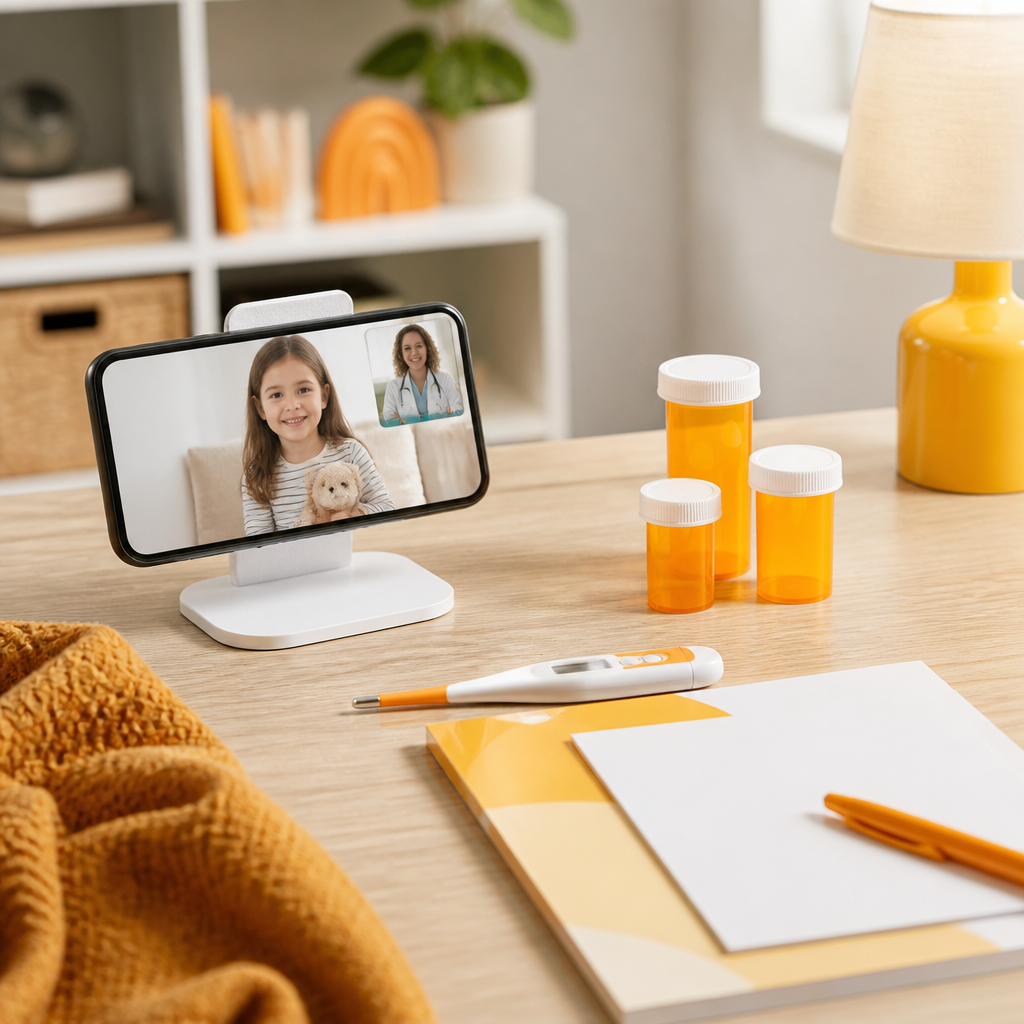
To support effective care management, gather a few items before your appointment:
- A short timeline of symptoms (when they started and how they’ve changed)
- Temperature and measurements (if relevant), and how you recorded them
- Photos or videos when appropriate (rash progression, skin changes, appearance of symptoms)
- Current medications (name, dose, and schedule)
- Relevant medical history (allergies, prior diagnoses, recent visits)
- Your questions for next steps, such as:
- “What should we monitor at home?”
- “When should we follow up?”
- “Do you recommend testing?”
- “Will we need an in-office visit if things don’t improve?”
Building your family care plan after the virtual visit
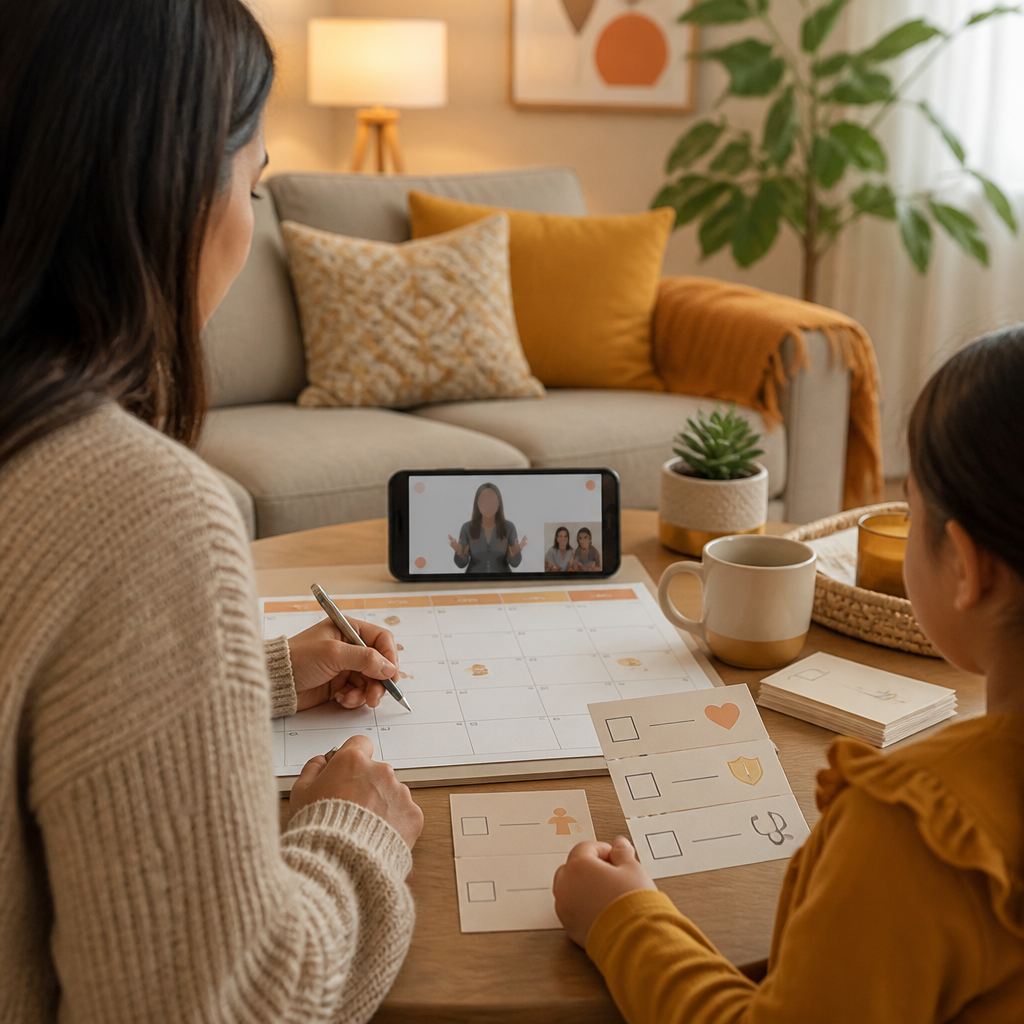
A useful virtual visit doesn’t end when the call does. Use the plan you receive to create a simple, family-friendly checklist:
Your “next 24–72 hours” checklist
- What to monitor at home (and how often)
- What symptoms would mean “contact the office”
- What symptoms should trigger an in-office visit
- How and when to follow up
- Any treatment steps to start or adjust
Track progress with care resources
If you’re asked to monitor or repeat check-ins, keep notes so you can communicate clearly if symptoms change. This makes follow-up smoother and helps your provider fine-tune care management.
Common FAQs about pediatric virtual visits for care planning
Is telemedicine appropriate for every pediatric concern?
No. Telemedicine is best for situations where your provider can assess your child’s symptoms through video, discuss next steps, and guide home monitoring. Some concerns require an in-office exam or testing—your provider will help determine that.
How do virtual visits help with follow-up timing?
During the visit, your provider can review your child’s symptoms and help you decide whether to: monitor at home, schedule a follow-up, or move to an in-office evaluation. This turns uncertainty into a clear plan.
Can a virtual visit help if we need testing or referrals?
Yes. A telemedicine visit can help your provider determine whether testing is likely needed and whether an in-office exam is required. If further evaluation is appropriate, your provider can discuss the next steps for referrals or additional care.
What if my child gets worse after a virtual visit?
If symptoms worsen or new red flags appear, contact your pediatric team for guidance. Your provider’s plan should include what to watch for and when to escalate to an in-office visit.
Do virtual visits work for medication questions?
Many medication questions can be addressed virtually—such as dosing instructions, side effects to watch for, and whether symptoms are responding as expected. If an exam or testing is needed, your provider will recommend it.
Next steps with Powers Pediatrics (Orlando, FL)
If you’re looking for convenient pediatric care from home while still getting guidance for next steps—home monitoring, follow-up timing, and decisions about whether an in-office visit or testing is needed—Powers Pediatrics can help.
Explore pediatric telemedicine options and choose a virtual visit for your child’s current concern and care planning needs.
Request an appointment through Powers Pediatrics to connect with a provider from home for guidance and next steps.
Use the patient portal to manage follow-up and communicate questions as your care plan continues.
Conclusion: Virtual visits can help families stay organized and move at the right pace
Pediatric concerns often create pressure to “figure it out” quickly—what to do now, what to monitor, and when to escalate. Telemedicine for care planning helps parents get trusted pediatric guidance for mild illnesses, medication questions, follow-ups, and developmental conversations, while still ensuring your child is seen in person when hands-on evaluation or testing is needed.
If you want a clearer plan for your child’s next steps, a virtual visit can be the start of better care management.