

Telemedicine for Pediatric Developmental Milestones
Not every pediatric concern requires a trip to the office. At Powers Pediatrics in Orlando, FL, telemedicine and virtual visits help families get trusted pediatric guidance from home—especially when you’re trying to understand development, plan next steps, or ask medical questions without waiting days for an in-person appointment.
Speech & language
Sounds, words, and back-and-forth communication guidance.
Motor skills
Rolling, crawling, walking, coordination, and more.
Learning & attention
Readiness, focus, and learning disorder guidance when relevant.
Telemedicine (Virtual Visits) for Pediatric Development & Milestones
Whether you’re concerned about speech, motor skills, social development, growth, learning, or possible learning disorders, our team can review your child’s concerns, compare them to age-expected milestones, and help you decide whether a follow-up, screening, or in-office visit is needed.
Who Virtual Visits Are For (Developmental Questions From Home)
Telemedicine is a great fit when you need fast answers and a clear care plan for common developmental and pediatric needs such as:
Speech & language concerns
Sounds, words, back-and-forth communication.
Motor skill questions
Rolling, crawling, walking, coordination.
Social development
Eye contact, interaction, play behaviors.
Learning & attention concerns
Readiness, focus, school-age development.
Growth and routine questions
Feeding patterns, sleep concerns, typical development.
Follow-ups
Symptom updates or care planning after prior visits.
If you’re searching for guidance because something feels “off” or you’re worried your child may be behind, a virtual visit can help you get clarity quickly—while still ensuring your child is seen in person when hands-on evaluation or testing is required.
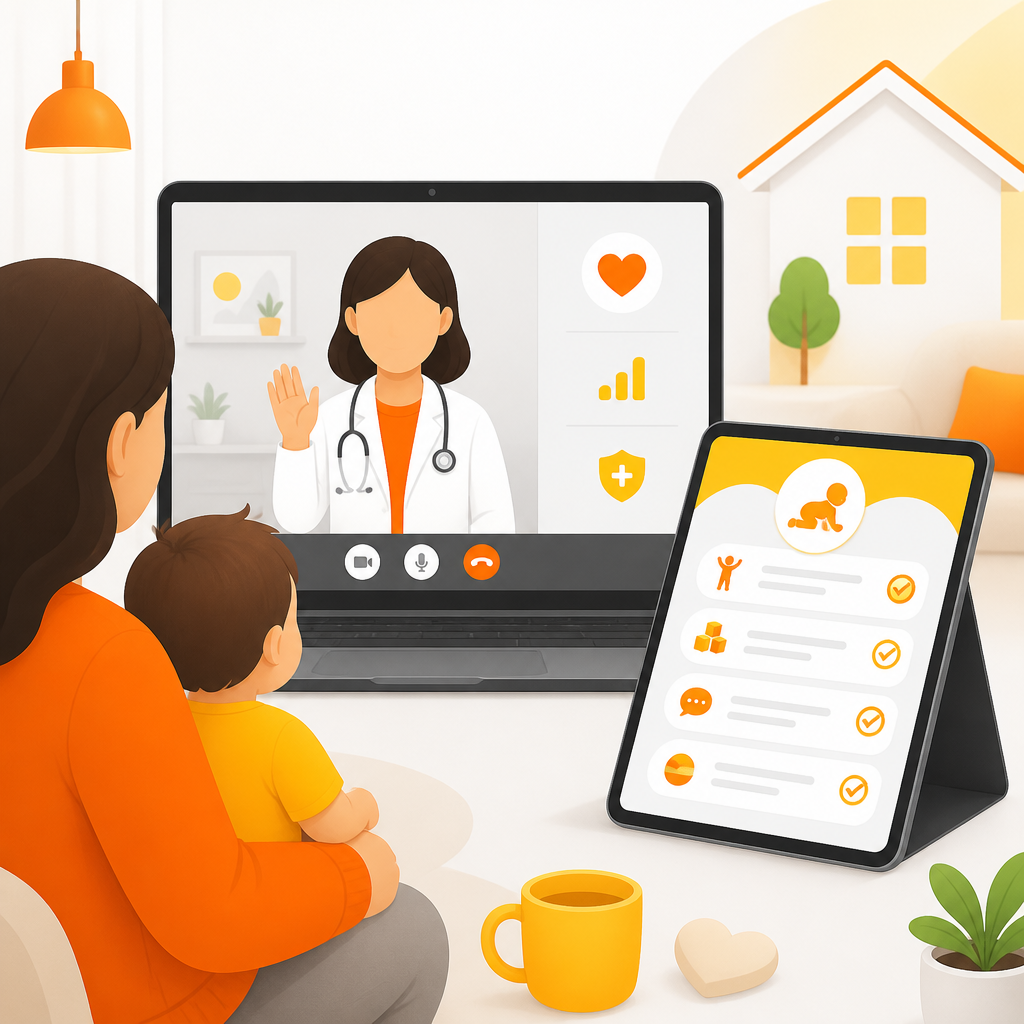
Patient Care That Starts With a Plan (Not Just Advice)
We believe strong Patient Care is more than a quick chat. During a telemedicine visit, your Powers Pediatrics provider will:
- Review your observations and developmental concerns
- Use milestone expectations to help contextualize what you’re seeing
- Check for red flags that may require earlier evaluation
- Recommend next steps (home strategies, follow-up timing, screening, or in-office exam)
- Help you coordinate treatment or referrals when needed
The Digital Online Checklist: Prepare Before Your Virtual Visit
To make your virtual visit more helpful (and more efficient), use our Digital Online Checklist. It helps you organize what matters most so your provider can focus on your child’s specific needs.
How to use the Digital Online Checklist
Before your appointment, gather quick notes or videos and fill out the checklist. Bring it with you (or submit it through your patient portal, if available).
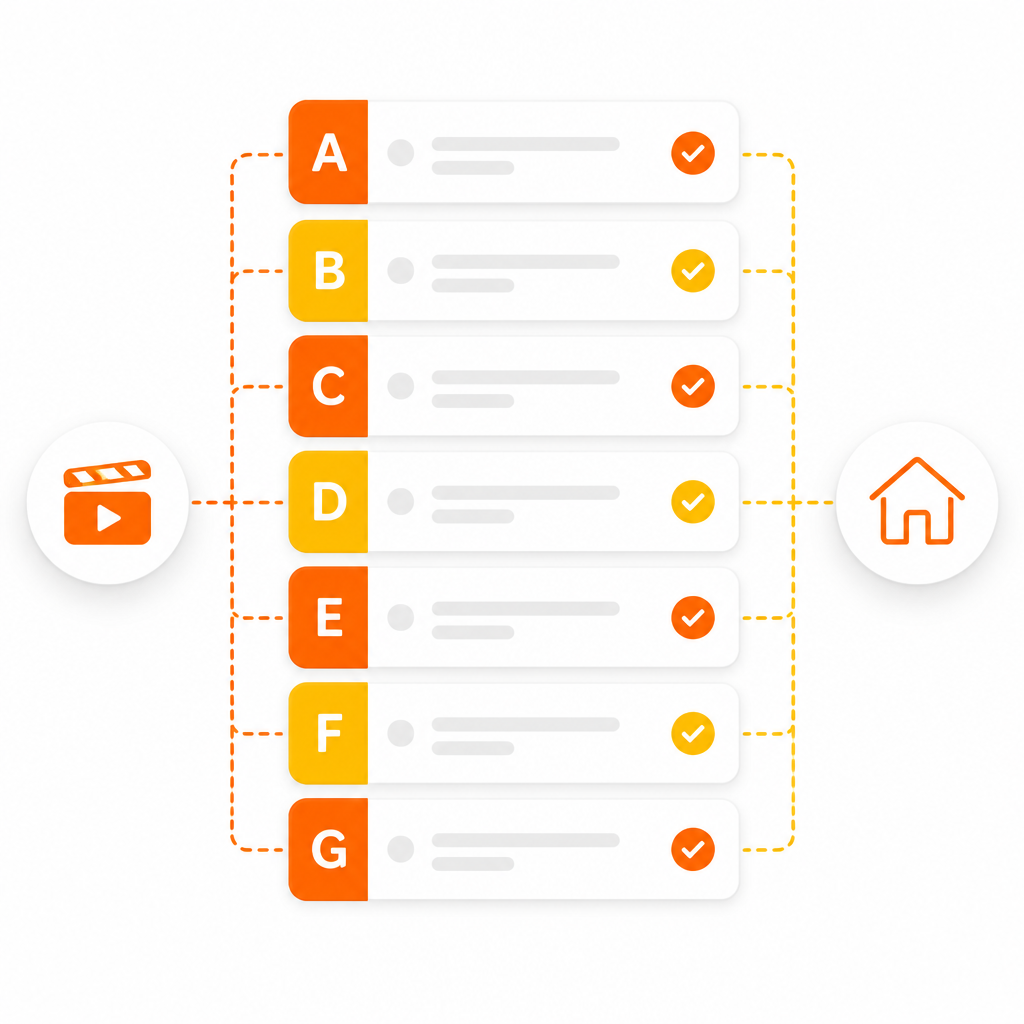
Digital Online Checklist Sections
A) Child & health basics
- Age and any relevant medical history (prematurity, NICU stay, chronic conditions)
- Current medications/supplements (include doses if you know them)
B) Growth & everyday routines
- Feeding patterns (breast/formula/solids as appropriate)
- Sleep schedule and behavior
- Activity level and energy
C) Speech & communication
- What sounds/words your child uses
- How they communicate (pointing, gestures, showing you things)
- Whether they respond to their name and follow simple directions
D) Motor skills
- Big milestones (rolling, sitting, crawling, walking)
- Fine motor (grasping, feeding self, building, scribbling)
- Coordination (climbing, carrying toys, transitions)
E) Social development
- Eye contact and social engagement
- Interest in others and interactive play
- Reactions to routines and changes
F) Learning, attention, and behavior (if relevant)
- School/daycare feedback (if school-age)
- Focus, frustration tolerance, ability to follow directions
- Reading readiness, understanding instructions, or play patterns
G) Your main questions
- What you’re most concerned about
- What you want to accomplish from today’s visit
- Any videos or examples that show what you’re seeing
Tip: If possible, add short clips (30–60 seconds) showing speech attempts, interaction, or movement patterns. Seeing patterns often helps providers guide you faster.
Developmental Milestones: What We Use to Guide Next Steps
During your virtual visit, we may reference age-appropriate milestone guidance commonly used by pediatric and public health experts, including widely adopted frameworks (such as CDC and developmental guidance for families). The goal isn’t to “pass or fail”—it’s to help answer:
- Is your child tracking as expected?
- Are there areas that may benefit from early support?
- Do you need further assessment now, or can we monitor with a plan?
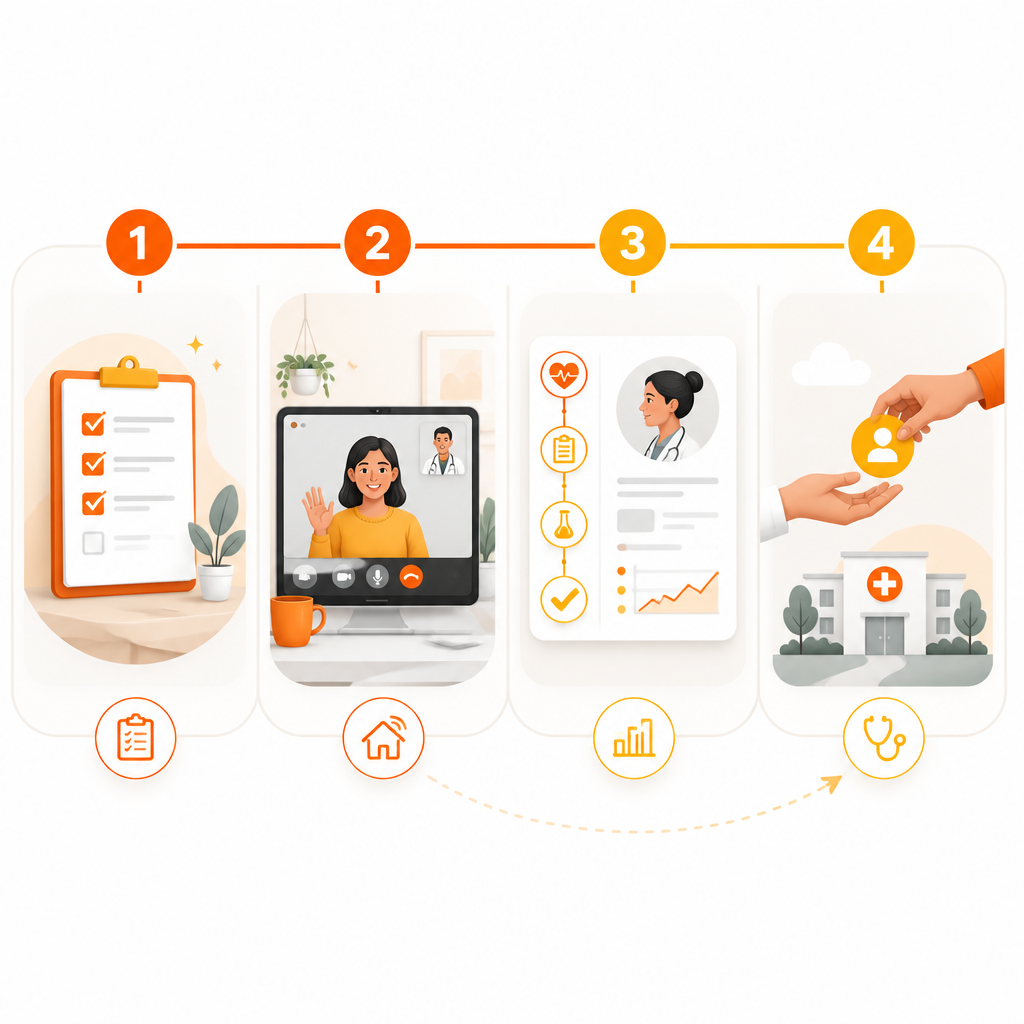
What to Expect During a Powers Pediatrics Telemedicine Visit
Step 1: Quick pre-visit prep
- Complete the Digital Online Checklist
- Have your child’s current symptoms and questions ready
- Prepare any short videos or examples if you can
Step 2: Join the virtual appointment
- Connect from home (using the platform provided by our clinic)
- You’ll share what you’re noticing and what you need help with
Step 3: Provider review and guidance
- The provider reviews your checklist and developmental concerns
- We discuss milestone expectations and red flags
- You’ll receive a clear plan (home guidance, follow-up, or in-office evaluation)
Step 4: Care coordination
- If needed, we schedule an in-person visit, testing, or follow-up
- We help you move toward answers with minimal stress
Speech, Motor, and Social Development: Common Virtual Visit Outcomes
After reviewing the Digital Online Checklist and your observations, a telemedicine visit may lead to:
- Home strategies tailored to your child’s strengths and needs
- Follow-up timing (what to watch for and when to re-check)
- Screening recommendations when concerns persist
- A decision about whether your child needs an in-office evaluation
- Guidance on therapy questions (speech/language, occupational therapy, early intervention)
Learning Disorders: When to Ask for More Support
Concerns about learning disorders often start with patterns parents notice at home—difficulty following directions, trouble with age-appropriate skills, persistent frustration, or learning delays compared with peers.
A telemedicine milestone visit can help determine:
- Whether the concern is consistent with developmental variation
- Whether early screening or formal evaluation should be pursued
- What information to gather for school, therapy, or specialist referrals
If your provider believes an in-person exam, hearing/vision check, or additional developmental screening is needed, they’ll help coordinate the next steps.
When Virtual Visits Work Best (And When In-Person Care Matters)
Virtual visits are especially useful for:
- Mild illness symptoms where guidance can be provided safely
- Follow-ups and medication/treatment questions
- Developmental questions where discussion + observation are helpful
- Planning care steps and deciding whether testing is needed
In-office evaluation may be needed when:
- A hands-on exam is essential
- Diagnostic testing is required
- Symptoms suggest a need for immediate physical assessment
- A concern needs targeted screening or measurement in clinic
Your provider will help you choose the safest and most effective next step.
Convenient Pediatric Care From Home (For Busy Orlando Families)
If you’re juggling work, childcare, and school schedules, telemedicine can make it easier to get trusted pediatric guidance quickly—especially for developmental questions and follow-ups.
Powers Pediatrics offers family-centered pediatric care with options that fit your life, including telemedicine and in-person visits when needed—serving children from newborns through young adults.
Frequently Asked Questions
Are telemedicine visits available for developmental concerns?
Yes. Virtual visits are well-suited for discussing speech, motor, social development, learning-related questions, and planning next steps—while still ensuring in-person evaluation if needed.
Will a virtual visit replace an in-person developmental evaluation?
Sometimes. A telemedicine visit can help clarify concerns and recommend next steps. However, if hands-on assessment, screening, or testing is required, your provider will guide you toward in-office care.
What should I do before my appointment?
Complete the Digital Online Checklist and write down your top questions. Videos (when possible) can be very helpful for speech and motor observations.
What if I’m worried my child may have a learning disorder?
We’ll listen to your concerns, review your observations, and discuss milestone expectations. If additional screening or formal evaluation is recommended, your provider will help you plan the next steps.
Is telemedicine safe for sick-child symptoms?
Telemedicine is appropriate for many common pediatric concerns, but not emergencies. If symptoms are severe or concerning, seek urgent/emergency care. During your visit, your provider will help determine if in-person evaluation is needed.
Schedule a Telemedicine Visit With Powers Pediatrics
Ready to get pediatric answers from home? Book a telemedicine appointment with Powers Pediatrics in Orlando, FL to discuss developmental milestones, follow-ups, and next-step care planning. We’ll help you move from worry to clarity—with a plan you can trust.