

Developmental Concerns for Babies & Infants
Bringing home a newborn is exciting—and overwhelming. If you’re a first-time or new parent in Orlando, FL, you might wonder: Is my baby developing on track?
Support for parents who are concerned their child may not be meeting developmental milestones.
Guidance when you notice changes in learning, behavior, speech, or social skills.
Early guidance matters—so you can feel confident about what to do next.
Powers Pediatrics helps parents understand typical growth & development patterns, recognize infant care red flags, and get support for developmental concerns.
If you’re thinking, “I’m not sure, but I’m worried,” that’s a good reason to call. Developmental support is available.
Why Developmental Guidance Feels So Important (and Common)
Many parents worry during the first months of newborn baby care. It’s normal to compare notes with others—especially online—but developmental progress is influenced by many factors, including sleep, temperament, feeding patterns, and medical history.
At the same time, you know your baby best. If something feels “off,” you deserve a clear next step.
Powers Pediatrics supports families as you recognize changes in learning, behavior, speech, motor skills, or social development.
Quick Check: Signs It’s Time to Call Your Pediatrician
Consider reaching out to Powers Pediatrics in Orlando if you notice:
- No smiles by about 2 months, or no warm back-and-forth expressions by ~3 months
- Not making eye contact consistently or not tracking faces by around 3–4 months
- Not responding to sounds (frequent “doesn’t seem to hear” concerns)
- Stiffness, floppiness, or unusual movement that doesn’t improve over time
- No reaching/grasping progress by around 6–7 months
- Loss of skills (you’ve seen a milestone, then your baby stops doing it)
- Feeding or swallowing concerns that interfere with growth
- Speech/communication concerns (limited babbling later in the first year)
- Social withdrawal or less engagement than expected for age
If you’re thinking, “I’m not sure, but I’m worried,” that’s a good reason to call. Developmental support is available.

What’s Typical vs. What’s Concerning?
Typical variation
- hit milestones a little earlier or later than averages
- have bursts of progress and “plateaus”
- develop skills differently (one baby may roll before sitting; another may sit before crawling)
Concerning patterns
- large delays compared to expected milestones
- no progress over time
- regression (loss of previously gained skills)
- frequent concerns across multiple areas (motor + speech + social, etc.)
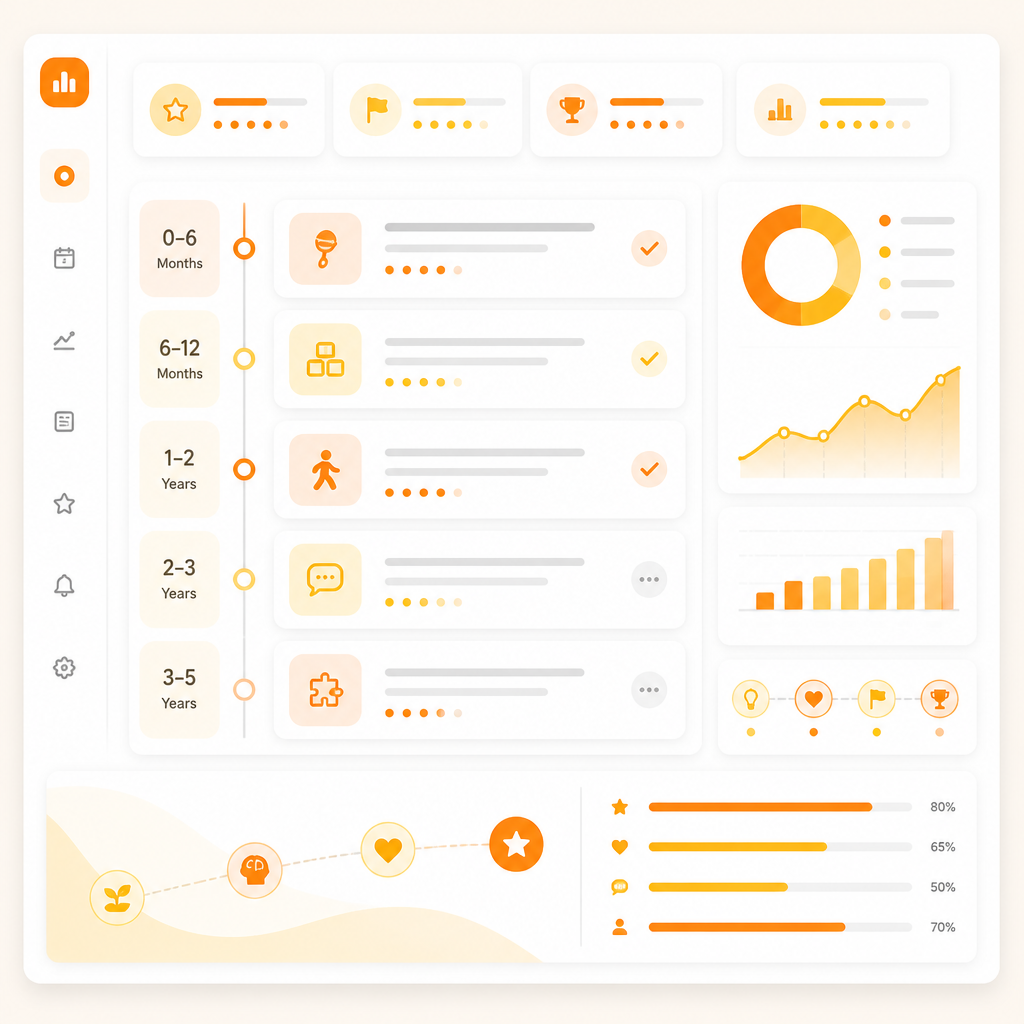
Milestone Expectations by Age (and Red Flags to Watch)
Use this as a helpful guide—not a diagnosis. If you’re unsure, we’ll help you sort out what’s normal and what needs follow-up.
0–2 Months (Newborn Stage)
- Calms with voice or touch
- Briefly tracks faces/light
- Moves arms/legs with growing control
- Starts showing social cues (newborn versions)
- Doesn’t startle to loud sounds at all
- Rarely makes eye contact with faces by ~2 months
- Doesn’t feed or has poor growth despite support
3–5 Months
- Smiles socially
- Tracks objects/people across the field of view
- Begins rolling or increased rolling tendencies
- Babbling may start
- Limited or no response to sounds
- Stiffness/floppiness that seems persistent
- No social engagement (few smiles, minimal interaction)
- Not tracking faces by around 4 months
6–9 Months
- Reaches for objects and grasps intentionally
- Sits with support (then progressively more independently)
- Takes turns with sounds (more “back-and-forth” communication)
- Responds to name sometimes
- Not transferring objects hand-to-hand later in this window
- Doesn’t reach/grasp by ~7–8 months
- Doesn’t respond to voice/own name by ~9 months
- Reduced movement compared with earlier months
10–12 Months
- Babbling with varied sounds
- Understands simple gestures (like waving)
- Crawling, pulling up, cruising, or supported standing
- May say “mama/dada” meaningfully (varies)
- No babbling or very limited sound variety by ~12 months
- Doesn’t show gestures (pointing, waving) later in this stage
- Major delay in sitting/standing progress compared to peers
- Loss of skills you previously saw
12–18 Months
- Increasing words and imitation
- Following simple directions with cues
- More complex play and engagement
- Walking may begin
- Few or no words by ~16–18 months
- Doesn’t point to show interest
- No progress in walking/mobility patterns
- Noticeable changes in social engagement
18–24 Months
- Growing vocabulary
- More complex two-step imitation games
- Improving coordination and pretend play
- Clearer requests and communication attempts
- Regression in language/social skills
- Limited attempts to communicate (not just “shy”)
- Very unusual motor patterns or significant coordination concerns
What Powers Pediatrics Does for Developmental Concerns
If your family is noticing signs of developmental problems, we provide family-centered pediatric primary care with practical next steps.
Your questions matter—and you won’t be rushed.
How we support families
- Developmental monitoring and structured developmental guidance
- Review of feeding, sleep, behavior, and growth patterns
- Physical exam to connect symptoms to overall health
- Screenings when appropriate
- Guidance on home strategies and what to track between visits
- Referrals for evaluation and therapy when needed (such as early intervention resources)
Whether you’re looking for reassurance or a deeper evaluation, our goal is the same: help your child thrive and help your family feel confident.
When to Seek Help: A Simple Rule of Thumb
If you’re waiting until your child’s next checkup, that can feel far away. Instead, consider reaching out sooner if you notice a major delay for your child’s age, loss of skills, multiple concerns across speech, motor, behavior, or social development, or feeding, growth, or hearing/vision concerns tied to development.
If you’re in Orlando, FL, we make it easier to get answers through same-day appointments, walk-ins, and online appointment requests, plus telemedicine when appropriate.
When reaching out helps
- a major delay for your child’s age
- loss of skills
- multiple concerns across speech, motor, behavior, or social development
- feeding, growth, or hearing/vision concerns tied to development
What to Expect at Your Visit (So You Feel Prepared)
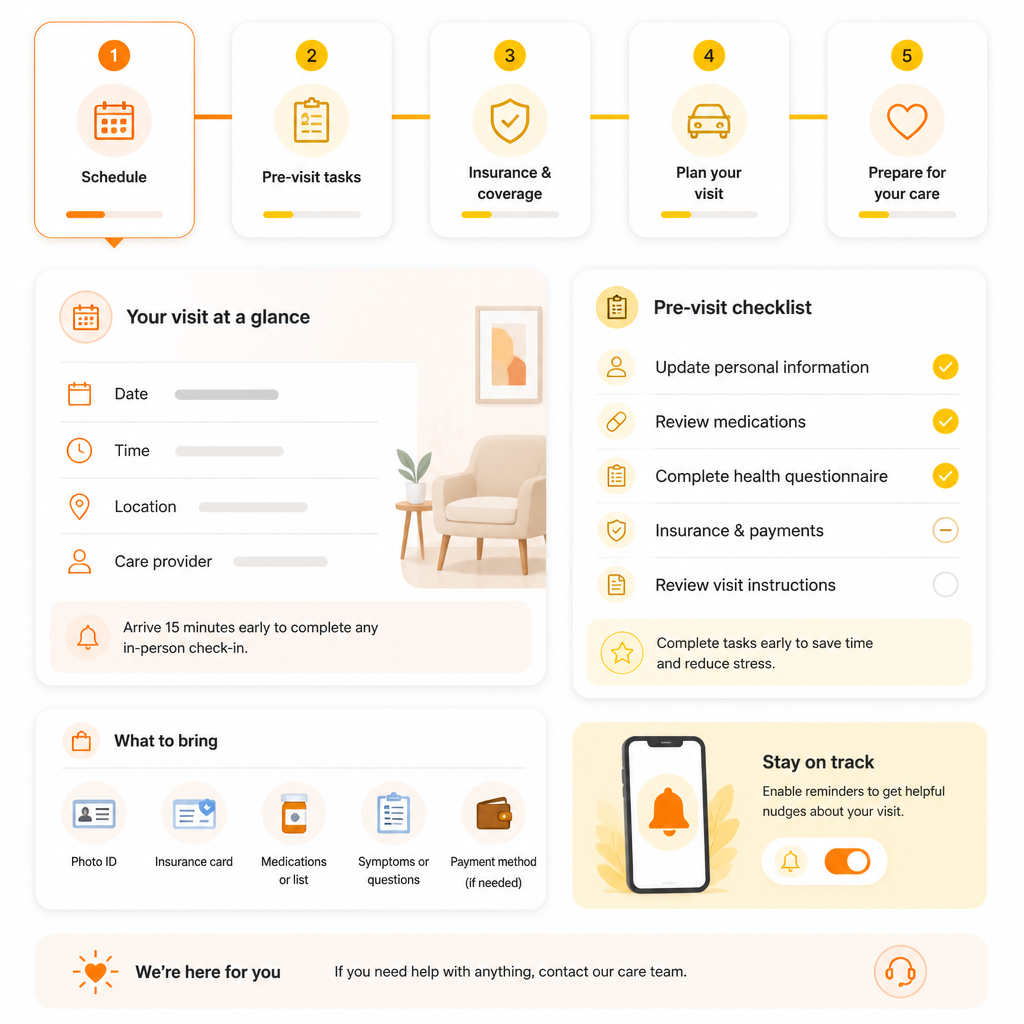
Parents often ask, “What happens when I bring up developmental concerns?” Typically, the process includes:
- A parent-focused conversation about what you’ve noticed and when it started
- A developmental and growth review (including milestones and behavior patterns)
- A pediatric exam to support or rule out medical contributors
- Next steps: reassurance, a plan for monitoring, screenings, or referrals
You won’t be rushed. Your questions matter.
FAQ: Developmental Problems for Newborns & Infants (Orlando, FL)
1 How do I know if my baby’s development is just “normal variation”?
Many milestones can vary within a reasonable range. It’s more concerning when delays are significant, progress stalls, or skills are lost. If you’re unsure, you can talk with us—at Powers Pediatrics we’ll help you interpret what you’re seeing and decide next steps.
2 When should first-time parents bring up developmental concerns?
Bring it up anytime you notice a pattern that worries you—especially if it involves speech/communication, social engagement, hearing-like concerns, motor delays, or regression. Early support is often the most helpful.
3 Do you offer developmental screenings or evaluations?
Yes. Depending on your child’s age and concerns, we can provide developmental screenings and guidance. When needed, we also help families with referrals for additional evaluation and therapy.
4 What if I’m in Orlando and need help sooner than the next well-child visit?
We understand that waiting is stressful. Powers Pediatrics offers same-day appointments, walk-ins, online appointment requests, and telemedicine when appropriate—so you can get answers sooner.
5 My baby seems fine, but I worry about milestones—should I still come in?
Absolutely. You don’t need to be certain to be seen. If you’re worried about growth & development, developmental milestones, or day-to-day changes in behavior, we can help you feel more confident—and act early if something needs attention.
6 Can developmental concerns be connected to hearing or other medical issues?
They can. Developmental progress overlaps with overall health. That’s why we review feeding, growth, and related concerns during your visit and may recommend additional next steps if appropriate.
Ready for Reassurance or Next Steps?
You don’t have to figure this out alone. If you’re concerned about newborn baby care, infant care milestones, or possible developmental problems, Powers Pediatrics is here to support your family with compassionate, family-centered pediatric care in Orlando, FL.