

Stomach Flu & Digestive Symptoms in Kids
When your child has sudden vomiting, diarrhea, or stomach pain, it can feel scary—especially when appetite changes or dehydration is a concern. Powers Pediatrics helps Orlando families understand what’s going on, what to do at home, and when your child needs an in-person (or telemedicine) evaluation.
Same-day sick visit options
When symptoms feel urgent, Powers Pediatrics offers options designed for real life.
In-person or telemedicine evaluation
Help your child feel better today while supporting long-term wellness with family-centered pediatric care.
Compassionate pediatric care for both sudden sickness and ongoing health needs—helping children feel better today while supporting their long-term wellness.
What Parents Usually Mean by “Stomach Bug”
Most “stomach bugs” are viral infections—often spread through close contact, shared surfaces, or contaminated food/water. The result can be Stomach & Digestion Issues like:
- Vomiting
- Diarrhea
- Stomach cramps or general belly pain
- Fever (sometimes)
- Reduced appetite
- Tiredness or irritability
In many cases, symptoms improve with supportive care—but some children need medical guidance to prevent dehydration and rule out other causes.
Common Symptoms: Stomach Flu vs. Other Digestive Diseases
Stomach flu (viral gastroenteritis)
- Vomiting that may start suddenly
- Watery diarrhea
- Cramps or stomach discomfort
- Possible low-grade fever
- Symptoms lasting a few days (varies by child and virus)
Seek prompt care if symptoms suggest something more serious
- Severe or worsening belly pain
- Blood in stool
- Persistent vomiting (can’t keep fluids down)
- Signs of dehydration
- Symptoms lasting longer than expected or recurring frequently
The #1 Concern: Dehydration Signs You Shouldn’t Ignore
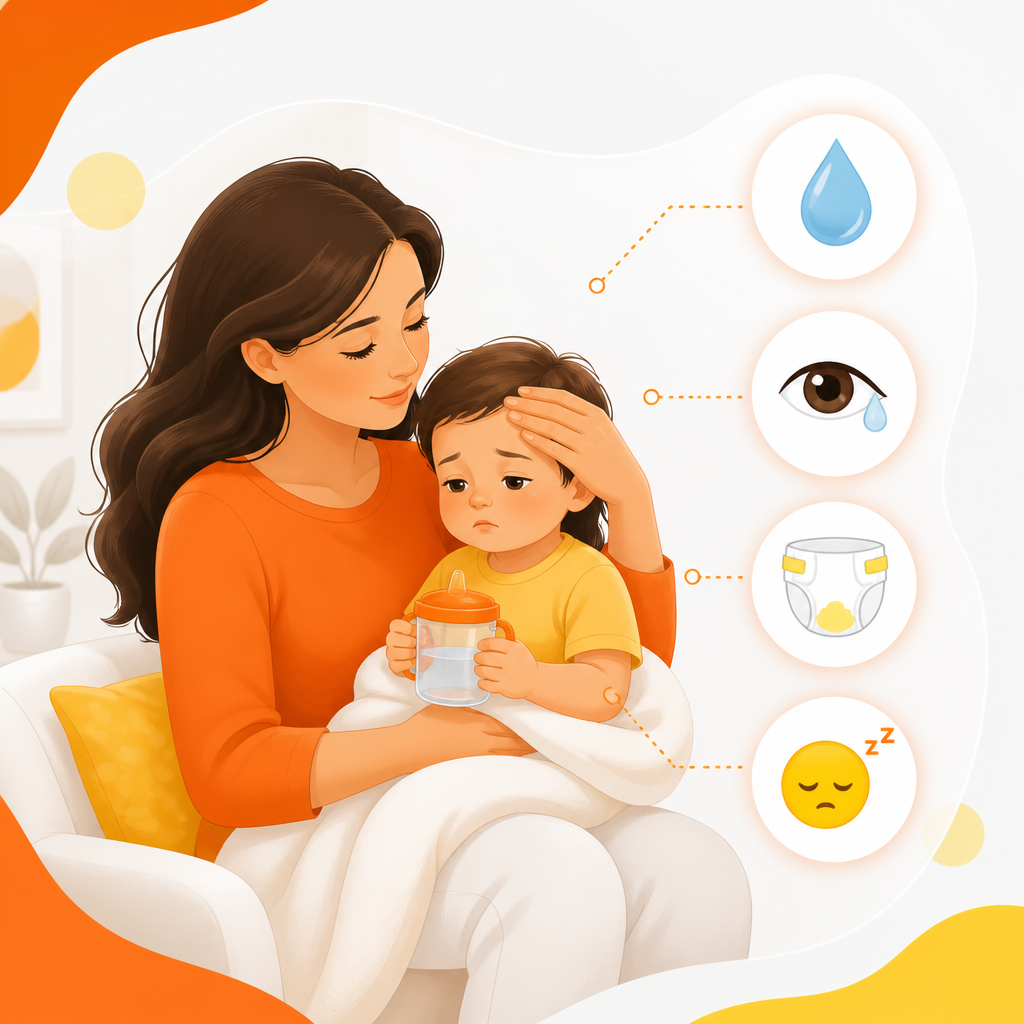
Dehydration can happen quickly in young children. Watch for:
In infants and children
- Dry mouth or no tears when crying
- Sunken eyes
- Peeing less than usual (fewer wet diapers/urinations)
- Very sleepy, weak, or hard to wake
- Fast breathing or heartbeat
- Dizziness or unusual lethargy
- Unable to keep liquids down for several hours
If you see dehydration signs, call Powers Pediatrics right away—same-day evaluation is often recommended.
What to Do at Home (Safe Supportive Care)
Most viral stomach illnesses improve with supportive care. These steps can help your child stay hydrated and comfortable.
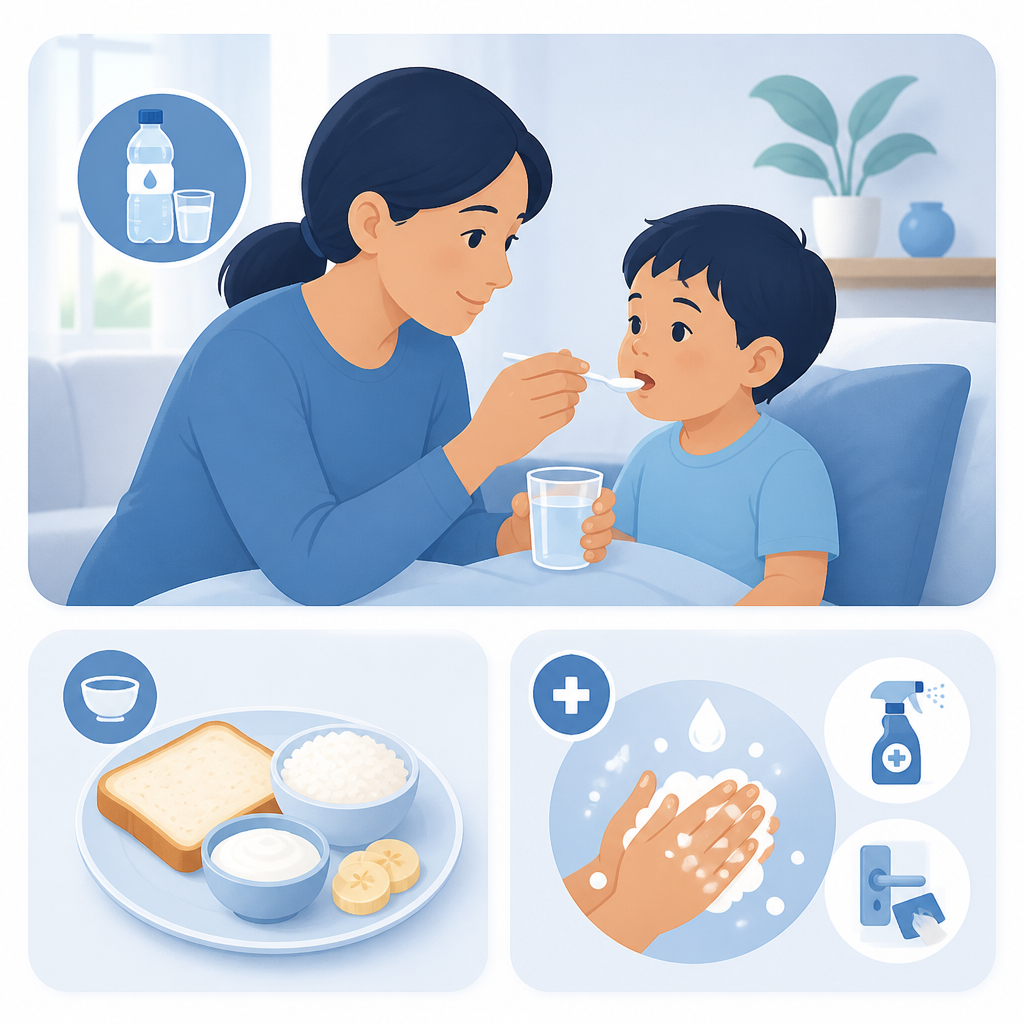
Focus on small, frequent fluid intake
Use oral rehydration solutions (often more effective than juice/soda).
- Give small sips or spoonfuls every few minutes if vomiting is present.
- If your child vomits, wait briefly and then restart with smaller amounts.
Food: keep it gentle
It’s okay if appetite is low at first.
- When tolerated, try bland foods (examples commonly include toast, rice, bananas, yogurt if dairy is tolerated).
- Avoid fatty, sugary drinks that can worsen diarrhea.
Prevent spread at home
Because stomach bugs are contagious:
- Wash hands thoroughly (especially after diaper changes/cleaning)
- Disinfect high-touch surfaces
- Use separate towels/utensils if possible
- Keep sick children home until they’re improving
> If you’re not sure what’s safe for your child’s age and symptoms, Powers Pediatrics can guide you.
When to Call a Pediatrician (Even If It “Might Be Viral”)
- Dehydration symptoms
- Blood in stool or black/tarry stools
- Green (bilious) vomiting
- Severe pain (especially localized pain)
- A child who is younger than 6 months with vomiting/diarrhea
- Ongoing vomiting preventing fluid intake
- Fever that’s persistent or concerning for your child’s age
- Symptoms that last longer than expected or keep coming back
When it comes to Digestive Diseases in children, “maybe” doesn’t have to be the plan—early assessment helps prevent complications.
Why Recurring Stomach & Digestion Issues May Need More Than “Waiting It Out”
Some children get stomach bugs repeatedly, but recurrent symptoms can also point to other issues such as:
- Food intolerance or sensitivity
- Constipation-related discomfort
- Ongoing gut inflammation
- Trouble with growth, weight changes, or persistent appetite issues
- Less common conditions that require testing or specialized management
If your child’s digestive symptoms are frequent, prolonged, or worsening, Powers Pediatrics can evaluate patterns and recommend next steps—so you’re not stuck repeating the same cycle.

How Powers Pediatrics Diagnoses Stomach Flu & Digestive Symptoms
Every child is different. At Powers Pediatrics, we take a family-centered approach:
During a visit, we may review
- Symptom timeline (start, duration, progression)
- Hydration status and urine output
- Eating/drinking and vomiting frequency
- Fever history and recent exposures (school/daycare outbreaks)
- Past medical history and any recurrence patterns
Depending on your child’s symptoms, we may recommend
- Targeted testing (such as when cold/flu or other infections are suspected)
- Supportive treatment plans tailored to your child’s age and severity
- Follow-up for recovery or further evaluation if symptoms don’t resolve
Treatment Options: Getting Relief and Preventing Complications
Because viral illness often improves with supportive care, treatment may focus on:
- Hydration support plans
- Guidance on what and how much to give at home
- Medication recommendations when appropriate (based on age and symptoms)
- Clear return precautions and follow-up instructions
For children with stomach & digestion issues that are not resolving as expected, we’ll work with you on longer-term management and next steps.
Preventing Stomach Bugs: Simple Habits That Work
You can’t always prevent a viral infection—but you can reduce the risk:
- Frequent handwashing (especially before eating and after bathroom/diaper changes)
- Disinfect shared surfaces during outbreaks
- Teach children to avoid sharing drinks/utensils
- Ensure food safety and careful handling of leftovers
- Keep immunizations up to date (support overall health)
If your household is dealing with an outbreak, Powers Pediatrics can help you create a practical plan for managing symptoms while limiting spread.
Same-Day Sick Visits + Telemedicine for Digestive Concerns
Powers Pediatrics serves Orlando families with options designed for real life
- Same-day appointments when symptoms are urgent
- Walk-ins when available
- Telemedicine for quicker guidance and symptom triage
- Patient portal access for updates and follow-up
From same-day sick visits to ongoing condition management
Powers Pediatrics helps Orlando families get trusted, family-centered care for children at every stage.
Featured Services for Families Managing Acute & Chronic Illnesses
Stomach bugs may be short-term, but digestive concerns can include long-term needs. Powers Pediatrics provides pediatric primary care for both, including:
- Preventive care and annual physicals
- Sick visits for common childhood illnesses
- Cold/flu testing when symptoms overlap
- Allergy testing and treatment (when digestive symptoms may relate to triggers)
- Developmental milestone guidance
- Telemedicine for convenient follow-up
- Ongoing management plans for recurring or chronic concerns
If your child’s digestive symptoms are frequent, prolonged, or worsening, early assessment helps prevent complications.
Frequently Asked Questions
1) Is stomach flu contagious?
Yes. Stomach bugs caused by viral infections are contagious and often spread through hands, surfaces, and shared items.
2) How long do vomiting and diarrhea usually last?
Many children improve within a few days, but timelines vary. If symptoms persist, worsen, or dehydration occurs, contact your pediatrician.
3) What’s the best thing to give my child for dehydration?
Oral rehydration solutions are often the best first option. If vomiting is present, small, frequent amounts are key.
4) When should I worry about dehydration?
If you notice decreased urination, dry mouth, no tears, unusual sleepiness, or inability to keep fluids down—call Powers Pediatrics.
5) Can a child have a “stomach bug” repeatedly?
Sometimes yes (exposure and viral outbreaks), but frequent or recurring Stomach & Digestion Issues may require a deeper evaluation for other causes.
Ready for Trusted Pediatric Care? Powers Pediatrics Can Help
If your child has vomiting, diarrhea, stomach pain, appetite changes, or recurring digestive symptoms, you don’t have to guess. Powers Pediatrics provides compassionate pediatric care for both sudden illness and ongoing health needs.
Call Powers Pediatrics in Orlando, FL to schedule a same-day sick visit or ask about telemedicine for guidance.
You can request an appointment through our online options or reach out to our team.