

Independence Skill Delays (Self-Care & Daily Routines)
Independence Skill Delays: Self-Care Milestones
Becoming more independent—dressing, feeding, hygiene, toileting, and handling everyday routines—is a major part of healthy child development. For many parents, it can feel reassuring to know what skills typically show up when. It can also feel stressful if your child seems to lag behind peers, has new difficulty with skills they used to manage, or avoids daily self-care tasks.
This guide is for parents (including adoptive parents) who are concerned about independence skill delays or changes in self-care, hygiene, toileting, responsibility, and daily routines. You’ll learn what to watch for, what milestone patterns can look like by age, and when it’s a good idea to reach out for child development support.
Understanding Independence Skills (and Why They Matter)
Parenting is often about nurturing growth and helping children learn how to function in everyday life. Independence skills—often called “self-care” skills—help children participate more fully at home, school, and in social settings. These skills usually develop alongside:
- Fine and gross motor development (hand control, balance, coordination)
- Communication and understanding (following directions, expressing needs)
- Sensory processing (tolerance of textures, grooming routines, bathroom sensations)
- Cognitive and executive functioning (sequencing steps, remembering routines)
- Social-emotional development (confidence, frustration tolerance, willingness to try)
It’s normal for children to develop at different speeds. But early guidance matters when skills are significantly behind or when you notice meaningful changes.
Common Signs of Independence Skill Delays
Independence skill delays can show up in many ways. You may notice one skill is delayed, several skills cluster together, or progress seems inconsistent.
Self-care and daily routine signs
Consider talking with your pediatrician if you see patterns such as:
- Dressing: difficulty with simple steps (putting on/undoing clothes, buttons/zippers when expected), frequent distress during clothing changes
- Feeding: strong selectivity beyond typical toddler variation, difficulty using utensils, trouble transitioning between textures or food types
- Hygiene: struggles with teeth brushing, hair washing, or handwashing routines; strong sensory avoidance of water/soap
- Toileting: infrequent toileting attempts, ongoing accidents well past expectations, resistance to sitting on the toilet, or difficulty following bathroom steps
- Responsibility and routines: challenges with simple “helper” tasks (putting items away, carrying a lunch, taking part in bedtime routines), difficulty switching between activities
- New changes: a skill that was previously improving suddenly becomes harder (for example, increased toileting accidents or new refusal during grooming)

Emotional and behavior patterns that can overlap
Some independence delays come with extra emotional friction, such as:
- frequent meltdowns during routines
- shutdown or avoidance (hiding, refusing to participate)
- intense frustration or fear of bathroom/grooming sensations
- difficulty transitioning between steps of a routine
These behaviors don’t mean your child is “being difficult.” They can be signals that something underlying—skill, sensory comfort, attention, communication, anxiety, or development—needs support.
Independence Milestones by Age (General Expectations)
Milestones vary, and individual timelines can differ. Use these as general markers to help you compare your child’s skills to typical development and to guide questions for your pediatrician.
Early toddlerhood (often ~1–3 years)
You may see early growth in:
- tolerating feeding routines with decreasing assistance
- attempting to hold a utensil or drink from a cup with help
- participating in dressing by pushing arms/legs through clothing
- basic hygiene support (wiping hands, tolerating water/soap briefly)
- early awareness of bathroom routines (even if accidents are still common)
Preschool years (often ~3–5 years)
Many children gradually gain:
- more independent dressing (often with some help for more complex items)
- improved toilet readiness and reduced accidents
- increased willingness to participate in brushing teeth and washing hands
- following multi-step routines with visual cues (bathroom steps, bedtime steps)
- contributing to simple responsibilities (putting items in a bin, helping tidy)
School age (often ~5–7 years)
You may expect growing independence with:
- consistent toileting routines and bathroom hygiene
- ability to follow steps of grooming with minimal help
- more reliable self-management during daily routines (before school, after school)
- learning to handle basic responsibility tasks with less prompting
Beyond early childhood (often ~8–12+ years)
Many children continue refining:
- organization and responsibility for daily routines (backpacks, hygiene steps, morning preparation)
- handling changes in routine with more independence
- using communication skills to ask for help appropriately
If your child is not progressing in expected areas—or if skills regress—reaching out sooner can help clarify what’s going on.
Why Independence Skill Delays Can Happen
Independence skills require coordination across multiple developmental areas. Delays may relate to:
- Developmental differences in motor skills (difficulty with buttoning, cutting food, or balance for bathroom steps)
- Communication or understanding challenges (trouble following step-by-step instructions)
- Sensory sensitivities (resistance to textures, grooming sensations, water temperature, or bathroom smells)
- Executive functioning and sequencing (difficulty remembering routine steps in order)
- Attention or learning differences (needing more repetition, visuals, or structured prompts)
- Anxiety or fear (worry about toilet sensations, falling, or transitions)
- Underlying medical factors that can affect comfort and participation (constipation, discomfort, frequent illness, or other concerns)
A pediatric evaluation can help determine whether the delay is mainly skill-based, sensory/behavioral, or needs further developmental assessment.
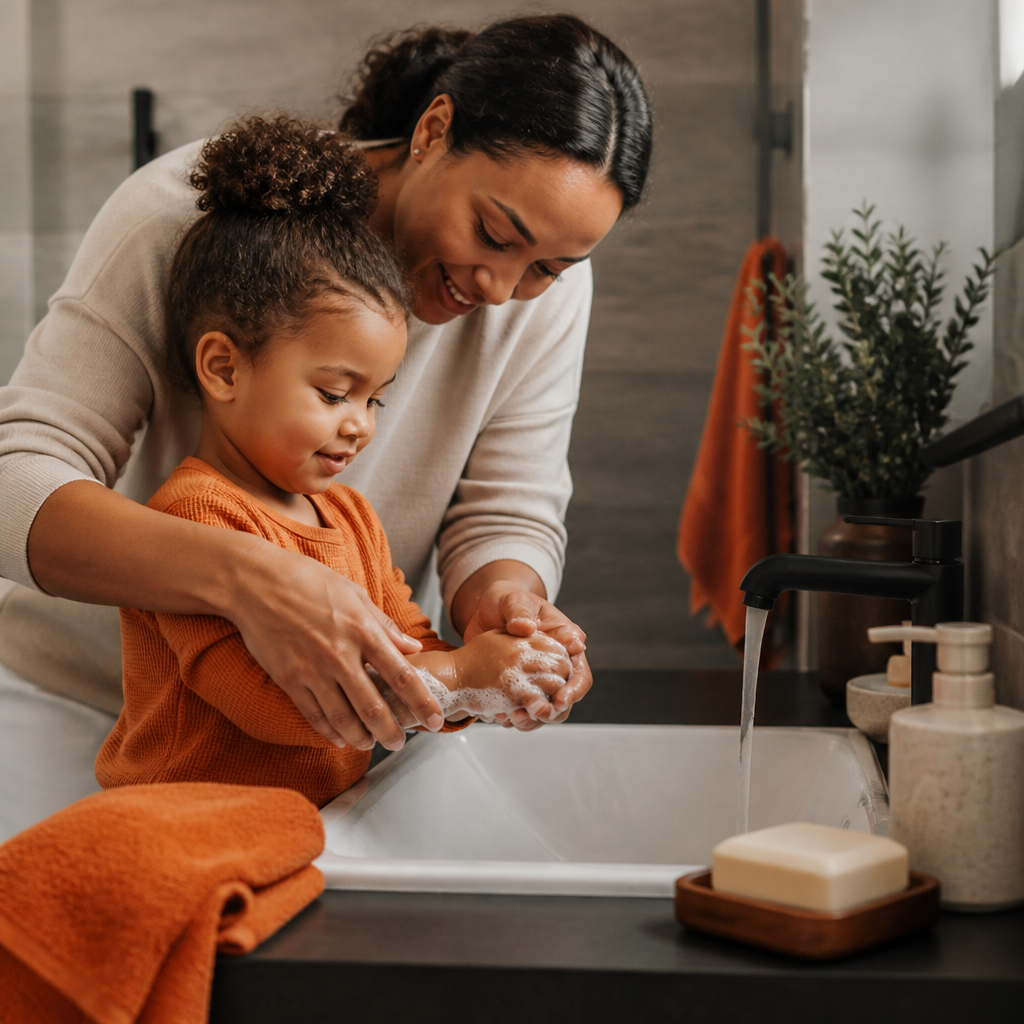
What to Do at Home (Practical, Parent-Friendly Steps)
You can support independence skills while you pursue guidance. Focus on consistency, calm coaching, and small, measurable progress.
1) Break routines into steps
Instead of “go get ready,” try step-by-step prompts:
- “Wash hands” → “Turn off water” → “Dry hands”
- “Undress” → “Bathroom” → “Wipe” → “Flush” → “Wash hands”
Visual supports (picture cards, a checklist, or a simple routine chart) can reduce confusion.
2) Use predictable timing and language
Children often do better with:
- the same routine order
- similar wording each time
- gentle reminders instead of repeated “do it” instructions
3) Practice “just right” challenges
Choose tasks that are slightly above current ability—then provide the level of help your child needs.
- If a child can do part of dressing, practice that part daily
- If brushing teeth is hard, practice for a shorter time with a calm rhythm, then gradually increase
4) Watch for sensory triggers
Notice whether distress is tied to:
- water, soap, hair brushing, toilet sounds, toilet paper texture
- clothing tags, seams, temperature, fabric feel
- food textures (lumps, mixed textures, crunchy vs. smooth)
Adjusting sensory factors can make routines more manageable while you seek deeper evaluation.
5) Reinforce effort (not perfection)
Independence grows through repetition. Celebrate attempts:
- “You tried!”
- “You used the steps we practiced.”
- “You asked for help.”
When to Contact a Pediatrician About Child Development
It’s a good idea to contact a pediatrician for developmental concerns if you notice:
- Skills are consistently behind age expectations (especially across multiple self-care areas)
- Avoidance or distress is escalating during routines
- Toileting issues persist well beyond expected timelines
- Regression occurs (loss of skills your child previously managed)
- You suspect sensory intolerance is interfering with daily life
- School or caregivers are raising concerns about independence during the day
Early guidance matters because it can help you:
- clarify what’s going on
- plan supportive routines at home
- consider developmental screenings or referrals when needed
Powers Pediatrics provides family-centered developmental milestone guidance and can support parents in identifying next steps.

What Happens After You Reach Out?
When you contact a pediatric clinic for independence skill concerns, you can expect a thoughtful, parent-focused conversation about:
- the specific self-care skills causing concern (dressing, feeding, hygiene, toileting, routines)
- when you first noticed the difficulty and whether it changed over time
- how your child performs tasks at home vs. other settings (school, childcare)
- communication, behavior, and emotional responses during routines
- any relevant medical history and comfort factors
Your pediatrician may recommend developmental screenings, evaluations, and—when appropriate—referrals to other specialists or services to support progress.
Independence Skills for Adoptive Parents: Extra Considerations
Adoptive parents may face added uncertainty while learning a child’s baseline skills and routines, especially if prior developmental history is limited. It can help to remember that:
- adjustments can temporarily affect self-care participation
- routines may need time to become predictable and safe
- stress and transitions can contribute to toileting, hygiene, and feeding challenges
A pediatric visit focused on child development can help you build a realistic plan for support and skill-building.
FAQs
What are independence skills in child development?
Independence skills are self-care and daily routine abilities like dressing, feeding, hygiene, toileting, and participating in responsibilities (such as simple cleanup or bedtime steps). They develop through a combination of motor, communication, sensory comfort, and routine-learning.
Is it normal for my child to develop self-care skills slower than other kids?
Yes—children develop at different rates. However, persistent delays across multiple self-care areas, increasing distress, or regression are good reasons to seek guidance.
My child struggles with toileting—when should I worry?
If toileting remains significantly challenging past typical timelines, involves strong distress/avoidance, or you notice regression, contact a pediatrician. Early evaluation can help rule out comfort factors and guide next steps.
What if my child can do these skills at home but not elsewhere?
That pattern can happen when routines are different, sensory triggers vary, or settings have different expectations. A pediatric evaluation can help you understand what’s consistent vs. setting-dependent.
Can a pediatrician help if this is an independence delay and not a “medical” issue?
Yes. Developmental concerns often overlap with underlying factors that can be identified and supported through screenings, developmental guidance, and referrals when needed.
Contact Powers Pediatrics
If you’re a parent worried about independence skill delays—dressing, feeding, hygiene, toileting, or daily routines—Powers Pediatrics can help you explore next steps with family-centered developmental guidance.
Contact us to schedule an appointment or request guidance for your child’s developmental concerns.