

Ear Infection & Sore Throat Care for Kids
When your child has ear pain and a sore throat, it can feel urgent—because it usually is. Powers Pediatrics helps Orlando families with compassionate pediatric care for sudden sickness and ongoing health needs, including common illnesses that need quick, accurate evaluation.
Fast, Family-Centered Care
From same-day sick visits to ongoing condition management, Powers Pediatrics helps children feel better today—while supporting their long-term wellness.
Care for Common Illnesses
Compassionate pediatric care for sudden sickness and ongoing health needs—so you can get quick, accurate evaluation.
Ear Infection & Sore Throat: What’s Causing It?
Ear pain and sore throat often come from overlapping conditions, including:
Viral infections
(common cold, flu-like viruses): can cause congestion, coughing, hoarseness, and throat discomfort
Strep throat (strep pharyngitis)
a bacterial throat infection that may require antibiotics
Ear infections (otitis media or outer ear issues)
pain can worsen at night and may follow a cold
Allergies / post-nasal drip
can irritate the throat and contribute to ear pressure
Fever-causing illnesses
some infections cause both throat inflammation and ear symptoms
Because treatments differ depending on the cause, a pediatric exam (and sometimes testing) is the best way to get relief safely and quickly.
Urgent Care Conditions: When to Get Same-Day Help
If you’re deciding whether to seek care today, use these urgent care conditions and safety red flags as a guide.
Go to urgent pediatric evaluation (today) if your child has:
- Trouble swallowing, drooling, muffled voice, or refusing fluids
- Severe throat pain with dehydration signs (very little urine, dry mouth, no tears)
- Ear pain that’s intense, rapidly worsening, or keeps them from sleeping
- Ear drainage (fluid or pus) from the ear
- High fever (especially in young children) or fever that isn’t responding to home care
- Stiff neck, severe headache, unusual sleepiness, or you’re worried something is “not right”
- Breathing difficulty, wheezing, or chest retractions
- Rash along with fever or a “sandpaper-like” rash (possible strep)
- Symptoms lasting >3–5 days with worsening pain, persistent fever, or no improvement
Extra caution for:
- Infants and toddlers
- Children with immune system conditions
- Kids with complex health needs (asthma, significant allergies, etc.)
If any of the above applies, don’t wait—Powers Pediatrics offers same-day sick visit options for evaluation of common infections in children.
Preparing for Your Visit: Bring This Checklist
Getting organized helps your clinician diagnose faster and focus on relief. Use this Preparing for Your Visit checklist before you arrive or request an appointment.
Bring or note:
- When symptoms started (day/time if you can)
- Temperature readings and when you measured them
- Pain pattern (worse at night? sudden vs gradual? one side vs both?)
- Current symptoms: sore throat, cough, congestion, vomiting/diarrhea, ear drainage, rash
- What you’ve given for comfort (med name, dose, and time—especially if multiple doses were used)
- Your child’s allergies and any medication reactions
- Any recent sick contacts (school, daycare, household)
- Past episodes: prior ear infections, strep tests, antibiotic use, recurrent symptoms
- Questions you want answered (examples below)
Quick questions that often help families:
- Could this be strep throat or a viral infection?
- Does my child need an ear infection test or treatment?
- What’s the safest way to manage pain and fever at home?
- If symptoms don’t improve, when should we follow up?

What to Expect at Powers Pediatrics (Same-Day Sick Visits)
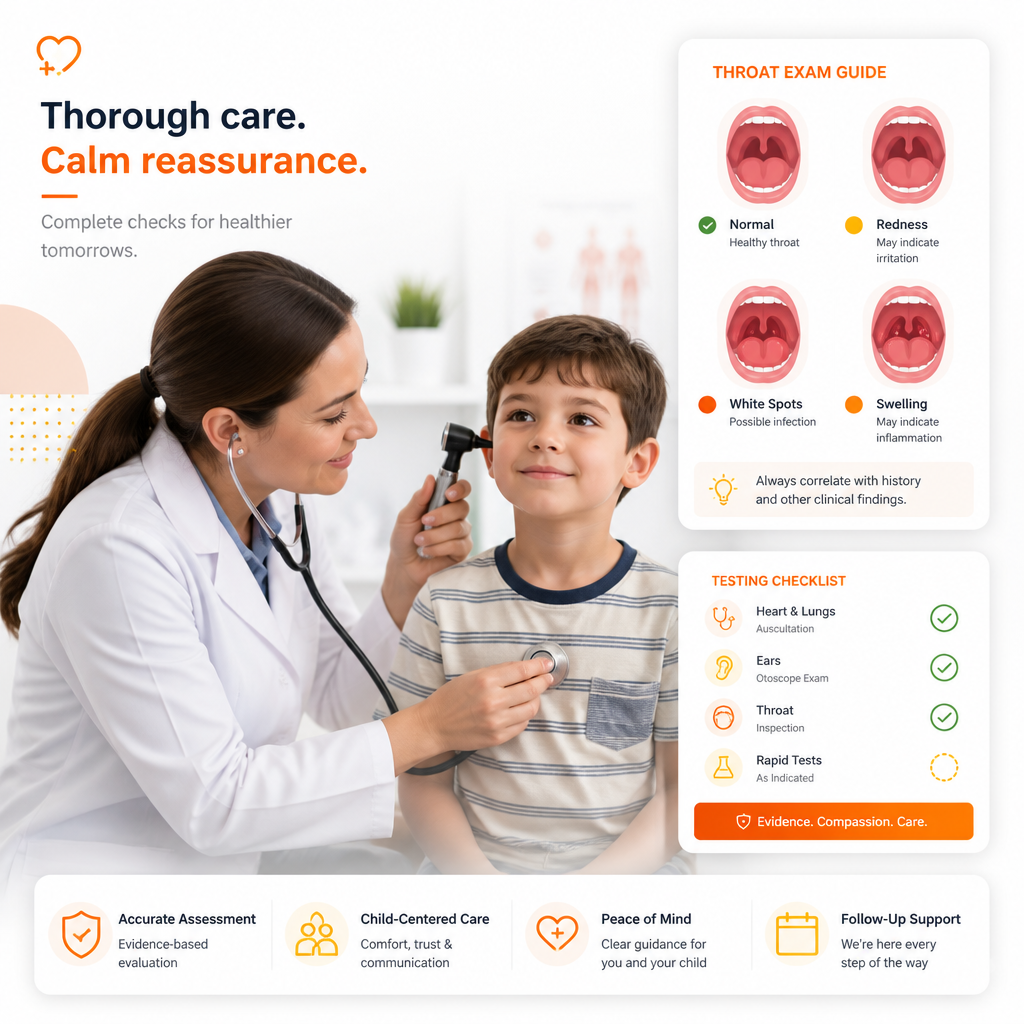
At Powers Pediatrics, you’ll get a careful, family-friendly pediatric evaluation. Typical steps include:
- Check-in + vitals (temperature, breathing, comfort level)
- Throat exam to assess redness, swelling, and signs that may suggest strep
- Ear exam (to determine whether it’s an ear infection and what type)
- Targeted testing when appropriate, such as: Strep testing; Cold/flu testing (when symptoms fit)
- A clear plan for treatment, symptom relief, and next steps
Because ear pain and sore throat can overlap, your child’s plan is based on what your clinician sees and hears—not just symptoms.
Treatment Options Powers Pediatrics May Recommend
Treatment depends on the cause—here are common approaches:
If it’s likely viral
Supportive care for comfort (hydration, fever/pain control, symptom relief) and monitoring for improvement and guidance on when to return.
If strep throat is suspected/confirmed
Antibiotics when appropriate and advice on contagiousness and how soon your child should improve.
If it’s an ear infection
Pain control + watchful waiting in certain situations, antibiotics when needed, and follow-up guidance—especially if symptoms are recurrent.
If allergies/post-nasal drip is contributing
Allergy-directed treatment and management strategies, plus advice on reducing triggers.
If symptoms suggest a recurring issue
Ongoing management when infections or throat/ear symptoms keep coming back—especially when allergies or other chronic contributors are involved.
Comfort Care You Can Do at Home (Before Your Visit)
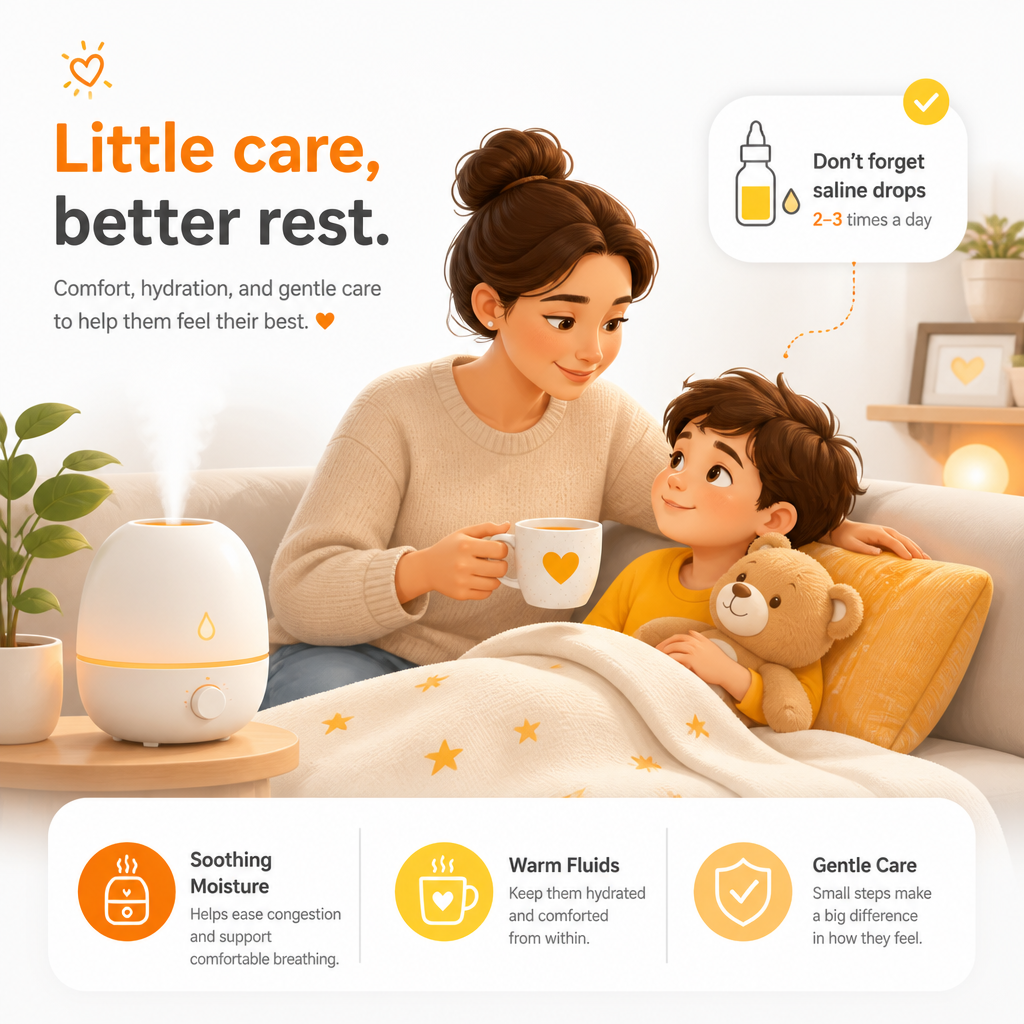
While you arrange care, these general steps can help many children feel more comfortable:
- Hydration first: offer water, warm tea-like liquids (age-appropriate), broths, or popsicles
- Soothe the throat: warm fluids, gentle honey (only if age-appropriate—typically over 1 year), humidifier, and saline for congestion
- Manage fever and pain: follow the dosing instructions from your pediatrician or the medication label based on your child’s weight/age
- Keep your child upright if throat discomfort is worse when lying down
- Avoid aspirin for children
- Don’t put drops in the ear unless prescribed (especially if you’re unsure about the cause)
If you’re unsure what’s safe for your child, bring the information you used (meds/time/dose) to the visit—your clinician can guide you.
After Your Visit: What “Improvement” Usually Looks Like
Recovery timelines vary, but many children begin to feel better with the right treatment within:
1–2 days
for supportive care when symptoms are viral
48–72 hours
after appropriate treatment for bacterial causes (like strep or certain ear infections)
Follow-up sooner if:
- Symptoms worsen after initial improvement
- Fever continues beyond what your clinician advised
- Your child can’t keep fluids down or shows dehydration signs
Your clinician will tell you what to watch for and when to return.
Frequently Asked Questions
Can an ear infection cause a sore throat?
Yes. Ear pain and throat discomfort can occur together because of shared anatomy and inflammation patterns—plus congestion can affect both areas.
Do we need antibiotics every time?
Not always. Many sore throats and ear infections are viral. Treatment depends on exam findings and (when appropriate) testing.
How contagious is strep throat?
Strep is contagious. If antibiotics are prescribed, contagiousness often decreases after treatment begins—follow your clinician’s guidance.
Should we wait at home?
If you’re seeing urgent red flags (trouble swallowing, dehydration, severe pain, breathing issues, concerning fever), it’s better to get evaluated same-day.
What if my child gets these infections often?
Recurrent infections can sometimes involve underlying factors like allergies, lingering congestion, or other contributors. Powers Pediatrics can help create a plan for both acute relief and long-term management.
Ready for a Same-Day Sick Visit?
Ear pain and sore throat can be scary for families. You don’t have to guess or wait.
Powers Pediatrics provides trusted, family-centered pediatric care in Orlando, FL for kids from newborns through young adults—supporting today’s recovery and tomorrow’s health with diagnosis, treatment, and (when needed) ongoing condition management.
- Request an appointment online
- Walk-ins welcome (when available)
- Contact Powers Pediatrics to get help for common infections and urgent care conditions
If you’d like, tell me your child’s age and the main symptoms (ear pain one/both sides, sore throat, fever, how long it’s been going on). I can help you decide what information to bring and what to watch for before your visit.
What to bring
When you’re ready, use the checklist above—symptom start time, temperature readings, pain pattern, what you’ve given for comfort, and any allergies or medication reactions.