

Developmental Concerns at Well-Child Visits
Every child develops at their own pace—but when you’re noticing changes in learning, speech, behavior, or social skills, it’s reassuring to have a plan. A well-child visit (also called a General Wellness Exam) is an important chance to talk with your pediatrician about developmental progress and get support early if it’s needed.
At Powers Pediatrics, we provide family-centered pediatric primary care in Orlando, FL for children from newborns through young adults. That includes developmental milestone guidance, developmental screenings, and referrals when appropriate.
What is a well-child visit (and why it matters for development)?
A well-child visit is routine pediatric care that monitors overall health and development. Depending on your child’s age, a General Wellness Exam typically includes:
- Height, weight, and growth trend review
- Vision and hearing checks (as appropriate by age)
- Developmental screening (age-based questions)
- Review of sleep, feeding, school/daycare, and behavior
- Discussion of concerns you bring—such as speech delays, learning struggles, social challenges, or changes in behavior
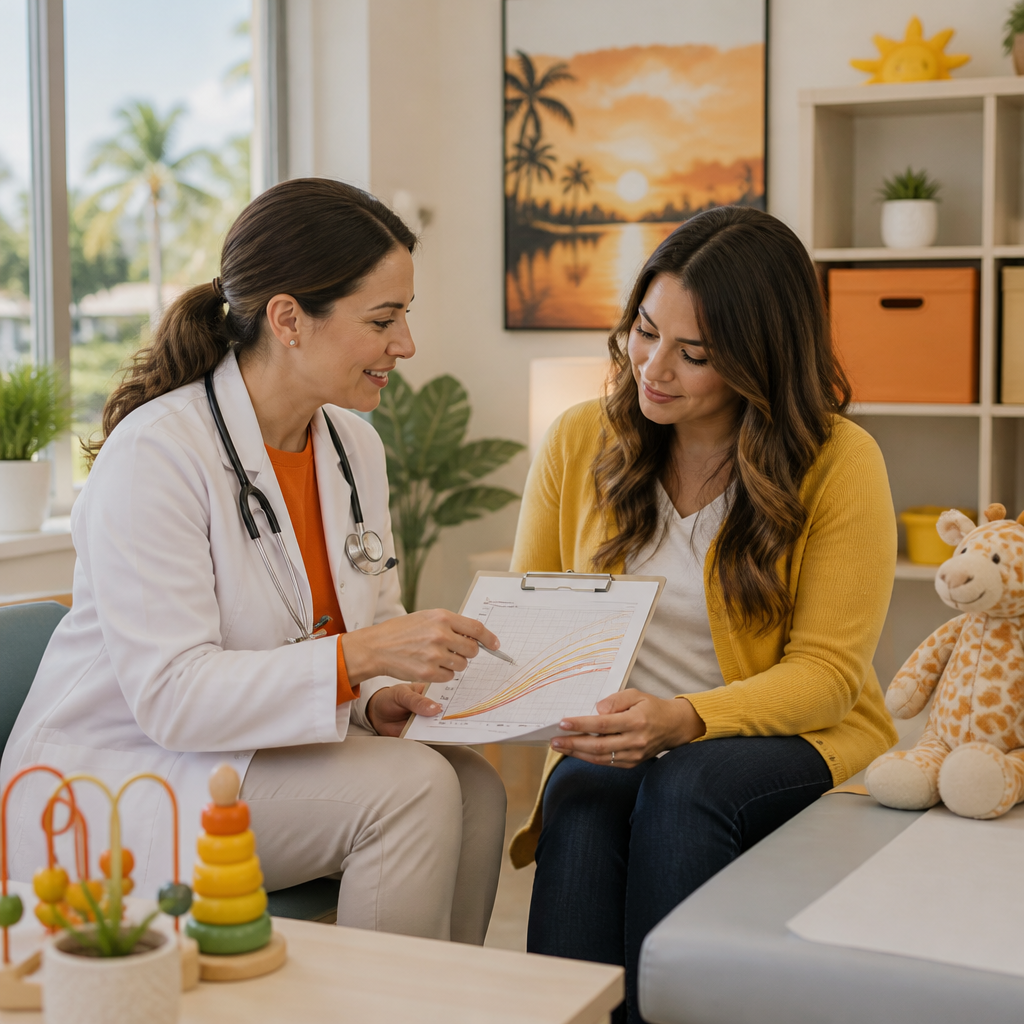
Because development is connected to learning and daily functioning, these visits help your child’s primary care team spot patterns early and determine whether additional evaluation is needed.

Should you bring up developmental concerns during a school or sports physical?
Yes. In fact, it’s one of the best times to raise concerns, especially if you’re already coordinating a visit for school paperwork.
While a school/sports physical focuses on safety and baseline health, your pediatrician can still listen to your developmental questions and:
- Note concerns in your child’s record
- Ask targeted follow-up questions
- Use standard developmental screening tools when appropriate
- Recommend next steps (monitoring, additional screening, or referral)
If your child’s appointment is primarily for sports/school clearance, mention your developmental concerns when booking and at check-in so the visit can be planned effectively.
How to prepare your child (and yourself) for the appointment
A little preparation can make it easier to discuss sensitive topics and notice details you might otherwise forget.
Bring the essentials
- Any forms required for the General Wellness Exam or physical
- School or daycare feedback (teacher comments, behavior reports, learning notes)
- Notes on symptoms/behaviors: what you’ve noticed, when it started, and how often
- Medical or therapy records (if your child has outside evaluations, speech therapy, OT, or counseling)
Consider preparing “what I’ve observed” notes
Developmental concerns often come from patterns you’ve seen over time. Helpful points include:
- What your child does well (strengths)
- Where you’re seeing differences (learning, speech, motor skills, behavior, social cues)
- Timing: did changes happen gradually or after an event?
- Context: does it look the same at school, at home, and with friends—or only in certain settings?
If speech or behavior is a concern, include examples
If you’re comfortable, consider bringing:
- A short video showing a specific speech or interaction concern (only if it’s appropriate and respectful for your family)
- Concrete examples of what’s hard (e.g., “struggles to follow 2-step directions,” “difficulty pronouncing certain sounds after age 5,” “frequent frustration during transitions”)
What to expect during the developmental part of the visit
Even during routine visits, your pediatrician may look at development through conversation, observation, and standardized questions.
You may be asked about:
- Communication (understanding, speaking, expressing needs)
- Social skills (eye contact, play, peer interactions)
- Learning and attention (focus, following directions, school progress)
- Motor skills (coordination, fine motor tasks, delays in milestones)
- Behavior and emotions (impulsivity, anxiety, irritability, sleep)
- Sensory concerns (sound sensitivity, picky eating tied to textures, motion sensitivity)
If your answers suggest a need for deeper evaluation, the pediatrician can recommend developmental screenings or referrals to the right resources.
Common developmental concerns families discuss at well-child visits
Parents often schedule General Wellness Exams because they want clarity on one or more of the following:
Learning and attention concerns
- Difficulty keeping up with age expectations
- Trouble with reading, writing, or math fundamentals
- Frequent daydreaming, impulsivity, or difficulty following multi-step directions
Speech and language concerns
- Limited word growth or difficulty being understood
- Challenges with understanding questions or directions
- Speech sound errors that don’t improve over time
- Stuttering or trouble with conversational back-and-forth
Social and behavioral changes
- Struggles with peer interactions
- Increased meltdowns, aggression, or withdrawal
- Emotional regulation difficulties
- Changes in behavior compared to earlier months
Motor skills and coordination concerns
- Delays in crawling, walking, or using hands (depending on age)
- Trouble with handwriting, buttons, utensils, or ball skills
- Ongoing clumsiness or difficulty with stairs/coordination
Milestone expectations by age (and when to ask questions)
Children develop at their own pace, but there are times when it’s especially important to talk to your pediatrician—often before the next “annual” visit.
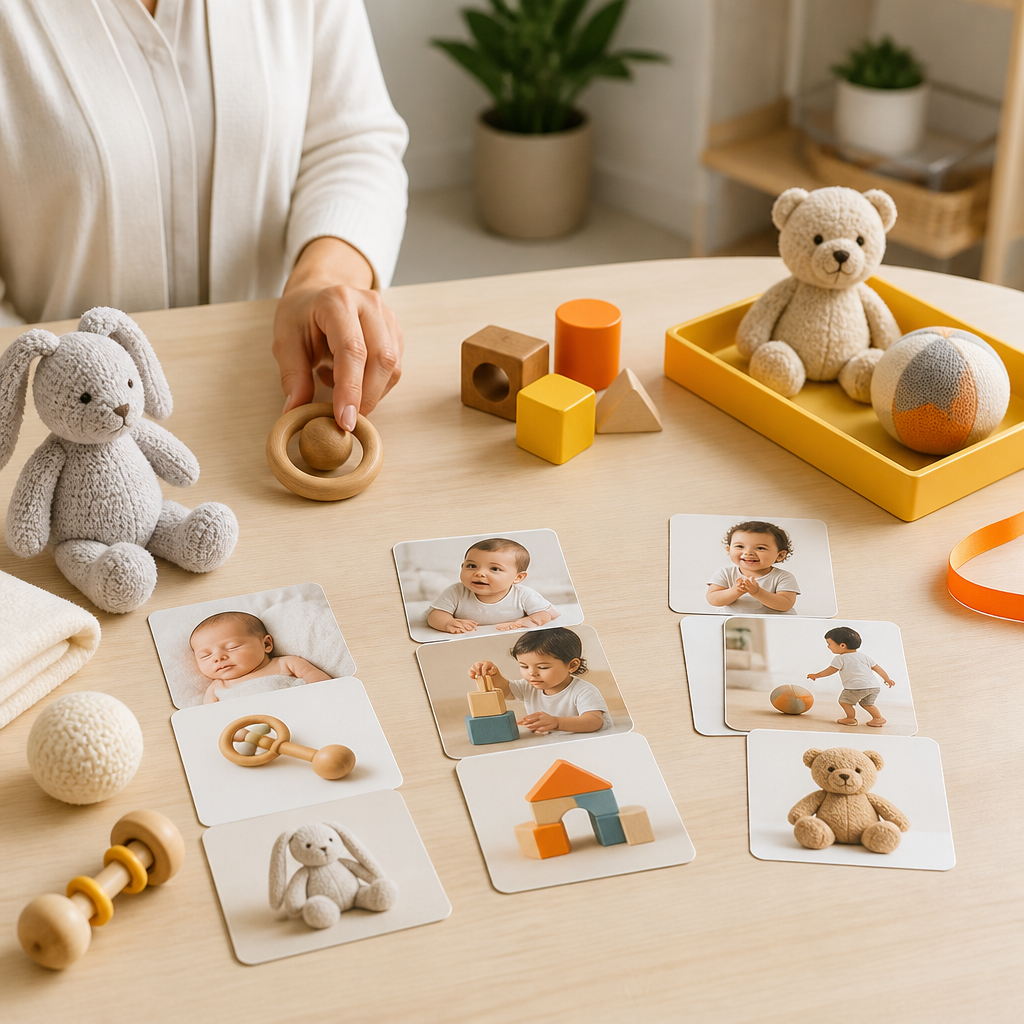
Infants (0–12 months)
Ask if you notice concerns such as:
- Limited eye contact, lack of responsiveness to sounds
- Not babbling or reduced communication attempts
- Not reaching or using hands in expected ways
- Significant loss of skills you previously saw
Toddlers (1–3 years)
Ask if you notice concerns such as:
- Speech not matching expectations for age
- Trouble following simple directions or pointing/gesturing to communicate needs
- Frequent regression (loss of previously gained skills)
- Social delays or persistent behavior patterns that affect daily life
Preschool (3–5 years)
Ask if you notice concerns such as:
- Hard to understand speech consistently
- Difficulty with play routines, sharing, or social back-and-forth
- Challenges with transitions, emotional regulation, or behavior at school
- Significant learning struggles relative to peers
School-age children (6–12 years)
Ask if you notice concerns such as:
- Ongoing learning difficulties or attention concerns affecting grades and confidence
- Language problems (reading comprehension, organizing thoughts, writing)
- Continued behavioral or social challenges at school
Teens (13–young adulthood)
Ask if you notice concerns such as:
- Persistent attention, executive functioning, or learning support needs
- Communication difficulties that affect relationships or academics
- Mood, anxiety, or behavior changes that disrupt daily life
Rule of thumb: If you’re wondering whether something is “serious” or if it might “just be a phase,” bring it up. Early guidance matters, and a Primary Care pediatrician can help sort what’s typical versus what deserves follow-up.
Questions to ask your pediatrician at the visit
Use these questions during your well-child visit to make sure you get the answers you need:
- “What developmental screening will you do today, and what does it cover?”
- “Based on what you see and what I’m describing, do you recommend monitoring or further evaluation?”
- “Could this be related to speech/language, learning, attention, or sensory needs?”
- “What should we watch for over the next 3–6 months?”
- “If we need referrals, what types of evaluations do you usually recommend?”
- “How can we coordinate with the school or therapy supports?”
- “Are there activities or strategies we can start at home right away?”
If your child has school goals or an IEP/504 plan (or you’re considering one), ask how to document concerns appropriately and what information helps the process.
How developmental concerns are handled after the visit
If your pediatrician identifies a possible developmental issue, the next steps may include:
- Additional developmental screening
- Referrals for evaluation (as appropriate)
- A follow-up visit to track progress
- Guidance on school supports and therapeutic options
- Coordination with families to ensure concerns are addressed respectfully and consistently
Your child’s primary care team remains a central resource—supporting families from first concerns through ongoing monitoring and next-step planning.
When to call before the next appointment
Consider reaching out to your pediatrician sooner if you notice:
- Regression (loss of previously acquired skills)
- Major changes in behavior, sleep, or communication
- Significant difficulty functioning at school/daycare
- Concerns that are rapidly worsening or causing safety issues
- Any developmental changes that worry you consistently
If you’re unsure whether something requires a call, it’s okay to ask—parents know their children best.
FAQs about well-child visits for developmental concerns
1) Do developmental screenings happen during every well-child visit?
Often, yes—age-based screenings are commonly included in well-child visits. Your pediatrician may also add questions based on what you’re noticing.
2) What if our appointment is for a sports or school physical?
You can still discuss developmental concerns. Mention them when scheduling and bring your notes/questions to the visit so your pediatrician can address them as part of care planning.
3) What should I bring if I’m worried about learning or behavior?
Bring examples: school feedback, behavior patterns you’ve noticed at home, and any specific challenges (attention, impulsivity, emotional regulation, reading/writing difficulties).
4) Will my pediatrician diagnose conditions like learning disabilities or autism?
Pediatricians often help identify concerns and coordinate next steps. Formal diagnosis may involve additional evaluations, referrals, or specialized testing—but your pediatric primary care team can guide and support the path forward.
5) If my child is “almost” meeting milestones, should I still be concerned?
If you’re seeing delays or changes, it’s worth talking about. Many developmental supports begin with guidance, monitoring, and early interventions tailored to your child’s needs.
Learn more and book developmental-focused primary care with Powers Pediatrics
If you’re preparing for a well-child visit, General Wellness Exam, or school/sports physical and you want help addressing learning, speech, behavior, or developmental milestone concerns, Powers Pediatrics can support your family with compassionate pediatric primary care in Orlando, FL.
CTA ideas:
- Request an appointment online for a well-child visit and share your developmental questions.
- Use the patient portal to prepare forms or message the clinic ahead of your visit.
- Ask about developmental guidance and screenings during your child’s visit planning.
Conclusion
A well-child visit is more than routine paperwork—it’s a key moment to talk about how your child is growing and developing. When you bring developmental concerns to your pediatrician early, you give your family access to guidance, screening when needed, and next steps that can support your child’s learning, communication, and well-being.
If your child’s milestones, behavior, speech, or school progress have you wondering, consider scheduling a visit with Powers Pediatrics to get clear, family-centered primary care support.