

Cold vs Flu Test for Kids—Return-to-School Guidance
When your child is coughing, congested, or feverish, it’s natural to wonder: Is this a common cold or the flu? Should they stay home from school or daycare? When can they return safely?
At Powers Pediatrics (Orlando, FL), we provide family-centered pediatric care and cold/flu testing to help parents get clearer answers and next steps—so you can focus on comfort, recovery, and safe return to routines.
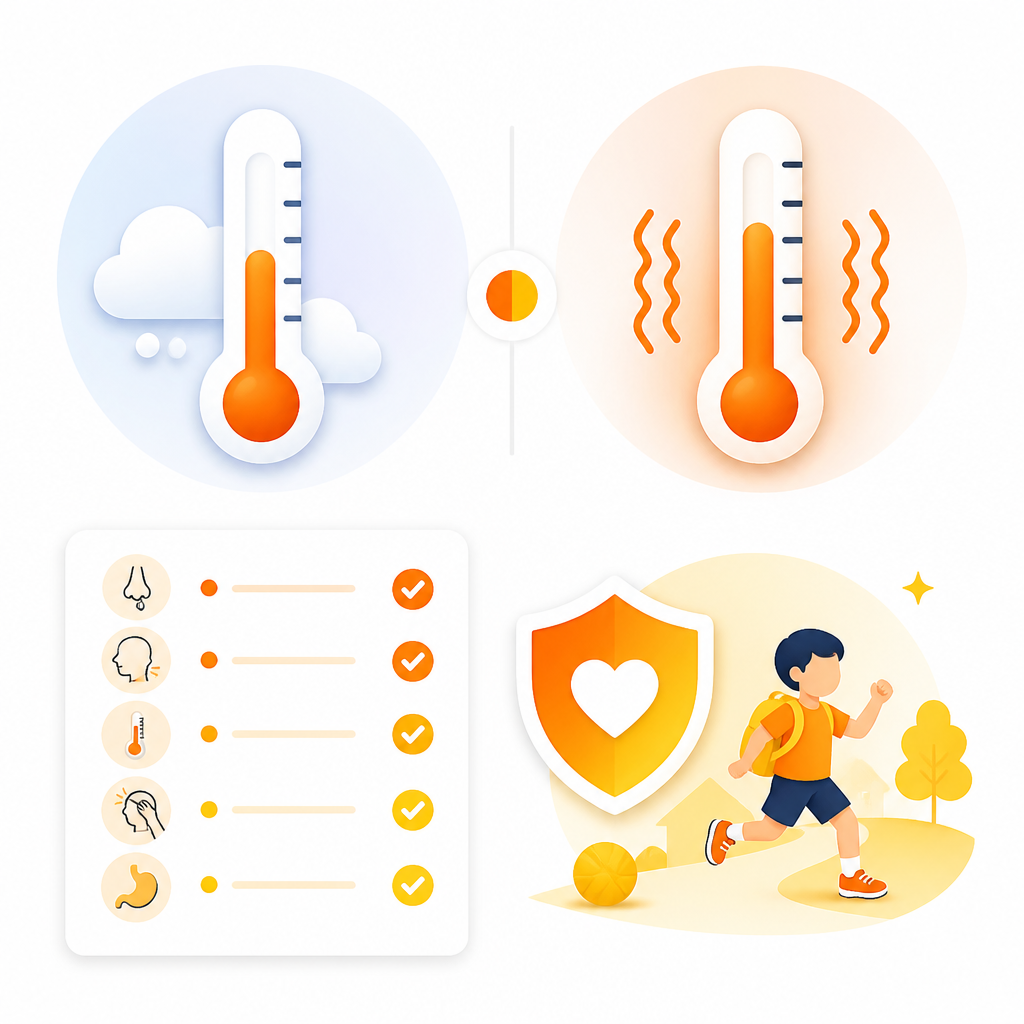
Cold or Flu? Know the Difference and When to Bring Your Child In.
When your child is coughing, congested, or feverish, it’s natural to wonder:
- Is this a common cold or the flu?
- Should they stay home from school or daycare?
- When can they return safely?
- And what can testing do to help your family make the right plan?
This guide helps you recognize key symptoms, understand typical “return” timing, and decide when to schedule a visit.
Both colds and flu can include cough, sore throat, and congestion—but flu often hits harder and faster.
Common cold symptoms (often milder)
- Congestion or runny nose
- Sore throat
- Cough
- Low-grade fever or no fever
- Mild to moderate fatigue
Flu symptoms (often stronger and sudden)
- Fever (commonly higher)
- Chills/body aches
- Strong fatigue/weakness
- Dry cough
- Sore throat and headache
- Symptoms often begin more abruptly
When symptoms don’t fit perfectly, sometimes respiratory symptoms can be caused by other illnesses or more than one virus. That’s where testing can help bring clarity.
Bottom line: If your child feels “really sick,” has a fever, or you’re unsure whether it’s cold or flu, testing can help support a more confident plan for care and keeping them home.
Keep Your Child Home: When It’s Time to Stay Put
School and daycare policies vary, but most health guidance follows the same core idea: your child should not be too sick to participate and should not be actively contagious.
General “stay home” triggers
- Fever (especially if recent or rising)
- Uncontrolled vomiting or diarrhea
- Breathing trouble, wheezing, or significant shortness of breath
- A cough that’s worsening and interfering with rest/comfort
- Severe fatigue or inability to participate normally
Fever rule of thumb (often used by schools/daycare)
A common standard is: stay home until fever has been gone for about 24 hours without fever-reducing medicine, and your child is starting to feel better.
Still follow your child’s clinician’s advice—especially for flu or if symptoms are severe.
When Can They Return? A Parent-Friendly Return Timeline
Return-to-school/daycare decisions depend on both symptoms and how your child is doing overall.
For colds
- Fever is gone (if they had one)
- They can eat, drink, sleep, and participate
- Symptoms are improving overall
Because colds can last longer, it’s common for a lingering cough to remain—so consider comfort and participation, not just the absence of fever.
For flu
- Fever-free for about 24 hours without medication
- Noticeable symptom improvement
- Your child can participate in normal activities
Because flu can be more intense, some children need longer recovery time even after the fever stops.
If you’re unsure
If your child’s illness feels “in between,” testing can help you stop guessing and plan with more confidence.
How Cold/Flu Testing Helps (And What Parents Get Out of It)
When you walk in wondering, “Is it cold or flu?” testing can help with three high-impact outcomes:
Faster clarity
Helps distinguish influenza from other respiratory causes.
Guidance for next steps
Supports clinician recommendations for care, comfort measures, and (when appropriate) treatment planning.
Better decisions for school/daycare timing
Testing can help you feel more confident about when it’s appropriate to return and how to protect others.
Testing doesn’t replace good home care—it supports it. And it helps reduce the stress of “waiting and watching” without answers.
What to Expect at Powers Pediatrics (Orlando)
Our process is built for families
- Same-day appointments when available
- Walk-ins welcome
- Online appointment requests
- Patient portal access for convenient follow-up
Services that support respiratory illness decisions
- Pediatric sick visit evaluation
- Cold/flu testing to support clearer diagnosis
- Guidance on hydration, fever management, symptom care, and return-to-routine planning
- (When needed) additional evaluation for other causes of symptoms
Goal: Help your child feel better—and help you understand what to do next.
Communication: How to Talk With School/Daycare (Without Stress)
Parents often feel stuck between caring for a sick child and managing the “paperwork” of return-to-school policies. A calm, clear communication approach helps everyone.
What to share with the school/daycare
- Date symptoms started
- Whether your child had fever (and when it resolved)
- Current symptoms (cough, congestion, energy level)
- Whether they were evaluated and whether testing was done (if you’re comfortable sharing)
What to ask
- Their return criteria (fever rule, symptom improvement, contagiousness guidance)
- Any specific restrictions during the first days of illness
- Whether a clinician note is needed
Tip for parents
If your child is improving but still coughing, ask: “Can they participate fully?” Many policies allow return when fever is gone and the child can function normally.
Healthy Living: What Parents Can Do at Home (While You Wait for Answers)
While testing and clinical guidance matter, healthy home habits make a real difference.
Support your child’s recovery
- Fluids first: small frequent sips if appetite is low
- Rest: recovery improves when your child can sleep
- Comfort measures: fever and pain control based on your clinician’s guidance
- Airway comfort: consider humidification and gentle saline for congestion (ask us what’s best for your child’s age)
Protect the household
- Wash hands often
- Encourage cough/sneeze hygiene
- Clean frequently touched surfaces
- Keep sick children away from high-risk relatives when possible
Healthy living isn’t about “perfect” routines—it’s about practical steps that reduce spread and support recovery.
Schedule Visit: When to Choose Testing Instead of Guessing
If you’re deciding whether to wait it out, consider scheduling a visit when:
- Your child has a fever plus cough/sore throat/body aches
- Symptoms came on suddenly and feel more severe
- Your child is not improving as expected
- You need help determining when they can safely return
- You want peace of mind with pediatric-focused cold/flu testing
At Powers Pediatrics, we’re here for families who want fast, family-friendly answers and a clear plan.
Best next step: Reach out to book a same-day sick visit or request an appointment online.
Frequently Asked Questions
1) Can a cold and flu look exactly the same?
They can overlap, but flu often involves more intense symptoms and a more abrupt onset. Testing can help when signs are unclear.
2) When should my child stay home after testing?
Return timing depends on symptoms and clinician guidance. A common approach includes being fever-free for about 24 hours without medication and improving overall.
3) Does testing mean my child will get antibiotics?
Not necessarily. Antibiotics don’t treat viruses like cold or flu. Testing helps guide appropriate care and recommendations.
4) What if my child still has a cough?
A lingering cough can happen with both colds and flu. The key questions are: fever resolved? symptoms improving? and can your child participate comfortably?
5) Do you accept Medicaid and major insurance?
Yes—Powers Pediatrics accepts Medicaid and most major insurance, and we offer flexible ways to get seen (same-day appointments, walk-ins, and online requests).
Get Answers for Your Child’s Next Steps
If you’re asking “Cold or flu?” and need guidance on when to keep your child home and when they can return, Powers Pediatrics can help.
Schedule your visit for pediatric sick care and cold/flu testing in Orlando, FL—so you can get clarity, comfort, and a family-friendly plan.
Powers Pediatrics • Orlando, FL | Family-centered pediatric primary care for newborns through young adults