

When to Worry About Your Child’s Fever
For fever and infection–concerned parents, it can be hard to know what’s “normal” illness and what needs a pediatrician’s attention. At Powers Pediatrics, we help Orlando families assess unexplained fevers, possible infections, worsening symptoms, or illness that isn’t improving at home.
Compassionate pediatric care for both sudden sickness and ongoing health needs—helping your child feel better today while supporting long-term wellness.
Quick guide: When should you get help?
Fever can happen with viral infections, bacterial infections, and other illnesses. Many fevers improve with home care and time—but some signs mean your child needs same-day evaluation.
Call for urgent guidance or seek emergency care now if your child has:
- Trouble breathing, bluish lips/face, or severe wheezing
- Seizure (especially first-time seizure)
- Stiff neck, severe headache, or light sensitivity
- Hard-to-wake, confusion, extreme lethargy, or “not acting right”
- Signs of dehydration (very dry mouth, no tears, or significantly fewer wet diapers/urination)
- Rash that looks purple/bruised or does not fade when pressed
- Persistent vomiting or inability to keep fluids down
- Fever in a newborn (especially under 3 months)
Consider same-day care (especially if symptoms are worsening or not improving) if:
- Your child is fussy, in pain, or not drinking
- Fever lasts more than 2–3 days (or keeps returning)
- Your child has ear pain, sore throat, cough with breathing changes, or pain with urination
- There are stomach symptoms (significant diarrhea, belly pain) along with fever
- Your child has chronic conditions (like asthma, immune concerns) or recent major illness

Fevers in children: Fever vs. infection (and why it still matters)
A fever is your child’s body raising its temperature as part of the immune response. Fever itself doesn’t always tell us the cause—but it can help your pediatrician decide whether your child likely has: a common viral infection, a bacterial infection (like strep throat or an ear infection), or another condition that needs treatment.
At Powers Pediatrics, we focus on the whole picture: your child’s age, how the fever started, associated symptoms, hydration status, and exam findings—so you get clarity and a plan.
How high is too high? Age-based fever guidance
Fever thresholds can vary based on age and risk factors. If you’re unsure, it’s always appropriate to call a pediatrician for guidance—especially for young infants.
Infants (especially under 3 months)
A fever in a young infant can require prompt evaluation. If your child is under 3 months and has a fever, contact care right away—even if your baby seems “okay.”
Children and older infants
Many fevers in older children are caused by viruses and improve over a few days. However, you should seek same-day care if your child is struggling to drink, appears significantly ill, has localized pain (ear, throat, belly, back), or develops red flag symptoms listed above.
Important note
Temperature alone doesn’t fully determine urgency. A child who is alert, drinking, and breathing comfortably may be less concerning than a child with the same temperature who is very sleepy, in pain, or dehydrated.
What infections can cause fever? Clues to look for
Fever often comes with other symptoms that narrow down possible infections. Here are common patterns we evaluate in pediatrics:
Cold/flu-like illness
- Cough, congestion, runny nose
- Sore throat, body aches
- Fever that may improve then return
Ear infections
- Ear pain or tugging
- Irritability, worse at night
- Possible drainage
Sore throat / strep
- Throat pain, pain with swallowing
- Swollen neck glands
- Fever with minimal cough
Stomach bugs
- Vomiting and/or diarrhea
- Belly pain
- Risk of dehydration
Some fevers need urine testing (possible urinary tract infection), blood tests, or imaging—depending on exam findings and your child’s symptoms. That’s why an in-person assessment (or the right next step via telemedicine) matters when symptoms don’t fit a simple cold.
What you can do at home while you decide on care
If your child is uncomfortable but otherwise stable, there are safe steps you can take while watching closely. (Always follow your pediatrician’s guidance, especially for dosing.)
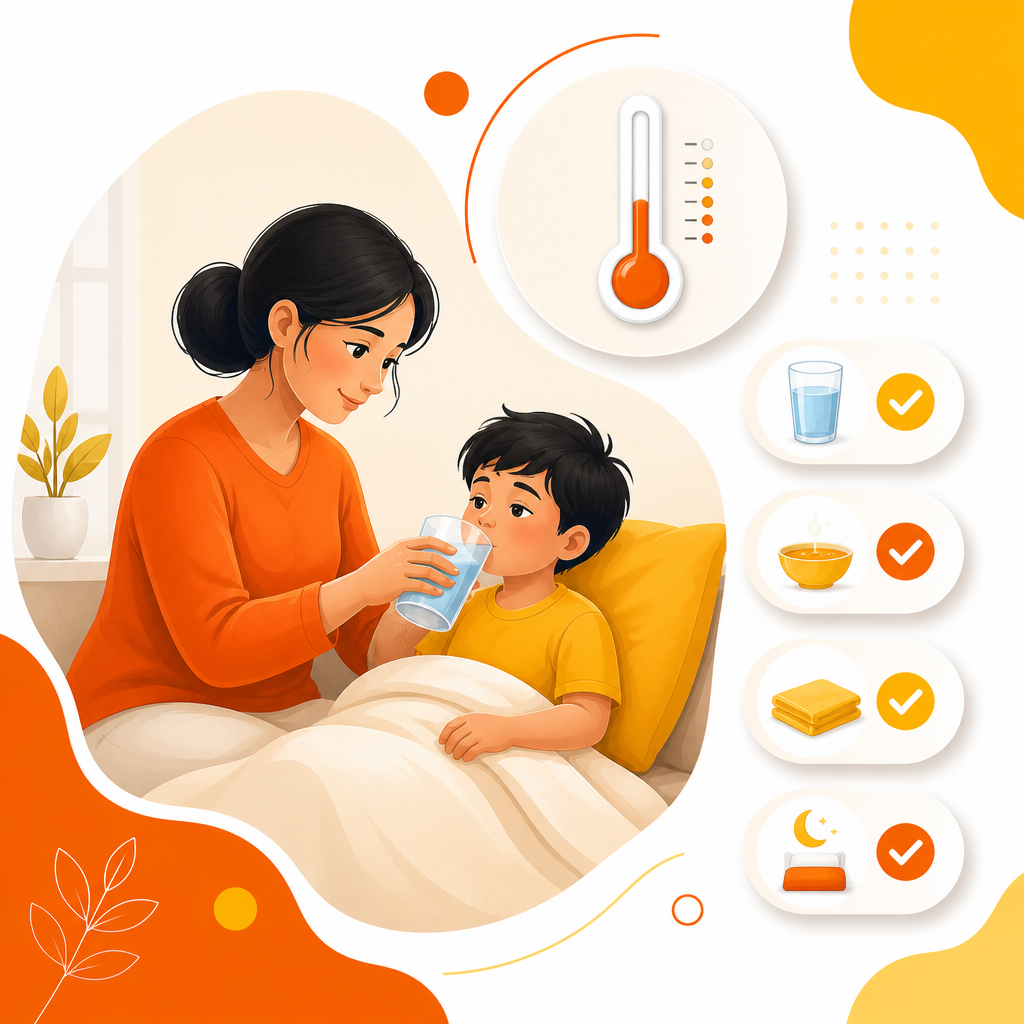
- Hydration first: Offer frequent sips of water, oral rehydration solution, or age-appropriate fluids. If your child refuses fluids or shows dehydration signs, seek care.
- Dress lightly: Use comfortable clothing; avoid over-bundling.
- Monitor behavior and breathing: Note alertness, activity level, and whether breathing looks labored.
- Fever medicine (if appropriate): Pediatric fever reducers can help comfort. Use dosing based on your child’s weight and age, and avoid “stacking” multiple products that contain the same ingredient.
- Track symptoms: Write down when the fever started, the highest temperature, and any new symptoms (ear pain, vomiting, rash, cough, pain with urination).
Key point: Focus on how your child is acting—not only the number on the thermometer. If your child is worsening or you’re worried, it’s okay to seek same-day evaluation.
What to expect when you bring a child with fever to Powers Pediatrics
Our goal is to make sick visits feel clear, calm, and family-centered—so you leave with answers and a plan. We serve children in Orlando from newborns through young adults.
1) We listen to your concerns
You know your child best. We’ll ask about fever timing, symptom changes, exposure history, and what you’ve tried at home. If your child’s illness isn’t improving, we’ll take that seriously.
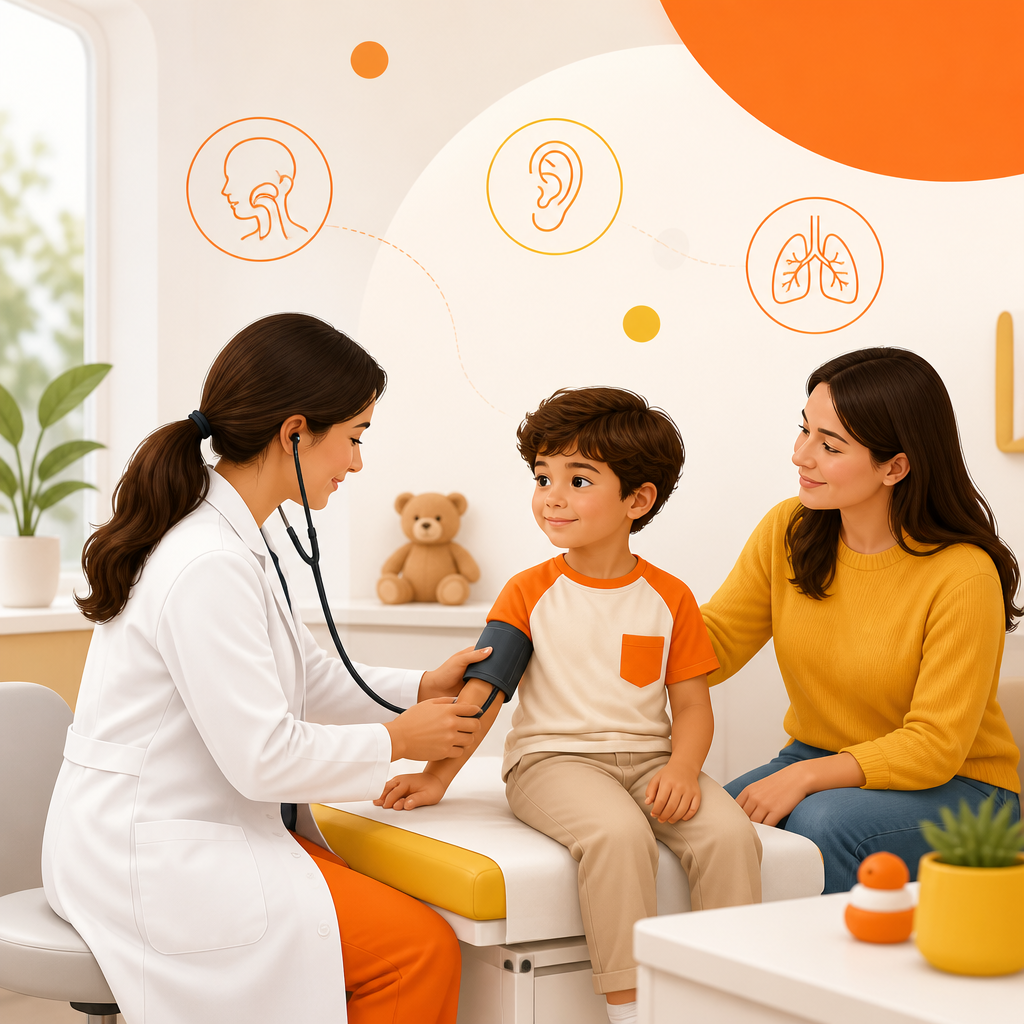
2) We examine what matters
- Vital signs and overall appearance
- Throat, ears, lungs, and abdomen
- Signs of dehydration and hydration status
- Skin/rash evaluation when present
3) We use the right testing when needed
Depending on symptoms and exam findings, we may recommend in-clinic testing (such as cold/flu testing, throat testing, or other targeted evaluation). Some cases may require additional follow-up to rule out infection.
4) We treat—and we follow up
If an infection is suspected, treatment may include supportive care and, when appropriate, medication. If the cause is likely viral or unclear, we’ll still provide guidance on what to monitor and when to return.
Fever and infection care as part of acute & chronic illness support
Fever isn’t just a one-time event. For some children, infections can trigger symptoms or complicate existing conditions like asthma or allergies. Powers Pediatrics provides both sudden-sickness care and ongoing management for long-term health needs.
Asthma: We help you manage flares that can occur with respiratory infections.
Allergies/eczema: We support symptom control so your child stays comfortable and resilient.
Developmental and school-age support: We help families navigate illness impacts on routines and growth.
Recurring concerns: We work with you to identify patterns and reduce repeat ER/urgent care trips.
Same-day options in Orlando (and telemedicine when appropriate)
When your child has a fever, you don’t want to wait. Powers Pediatrics offers:
- Same-day appointments for many sick concerns
- Walk-ins (when available)
- Online appointment requests
- Telemedicine for select situations—especially when it helps you get timely guidance
- Patient portal access for communication and follow-up
We accept Medicaid and most major insurance, and we’re serving families in Orlando since 2008.
Frequently asked questions about fever in children
My child has a fever—when should I worry?
Worry is warranted when your child has red flag symptoms (trouble breathing, hard-to-wake/lethargy, dehydration, seizure, stiff neck, or concerning rash), is a young infant, is not drinking, or seems to be worsening or not improving. If you’re unsure, calling for same-day pediatric advice is always appropriate.
Should I bring my child in if the fever goes down but they still seem sick?
Yes. Fever numbers can improve while the underlying illness is still ongoing. What matters most is how your child is acting—energy level, hydration, breathing, pain, and new symptoms. If symptoms persist or concern you, schedule an evaluation.
Can a viral infection cause a high fever?
Absolutely. Many viral infections can cause significant fevers. The pediatric assessment focuses on the full symptom pattern and exam findings to determine whether bacterial infection or another condition is likely.
What if my child’s fever isn’t improving at home?
That’s one of the most important reasons to reach out. If your child’s illness isn’t improving, is getting worse, or you notice new symptoms, Powers Pediatrics can assess your child and recommend the next steps.
Does fever always need medication?
Not necessarily. Fever reducers can help comfort, especially if your child is uncomfortable. Hydration and monitoring are key. If you’re unsure what to give (or how much), ask a pediatrician for guidance.
Explore more care for sudden sickness and long-term health
Fever is just one example of an acute illness. Powers Pediatrics also helps with ongoing health needs and recurring pediatric concerns.
Sick visits
Colds, flu, ear infections, sore throats, stomach bugs, and fever evaluation.
Tests & guidance
Cold/flu testing, targeted assessment, and clear follow-up instructions.
Preventive & ongoing
Immunizations, physicals, developmental guidance, and chronic condition support.
Telemedicine
Convenient guidance when appropriate—helping families get care on time.
Get trusted pediatric fever & infection care in Orlando
If your child has an unexplained fever, possible infection, worsening symptoms, or illness that isn’t improving, Powers Pediatrics can help you figure out what’s going on and what to do next.
- Same-day appointments when available
- Walk-ins (subject to availability)
- Online appointment requests + patient portal access
- Medicaid and most major insurance accepted
If your child has emergency warning signs, seek emergency care immediately.
Medical disclaimer: This content is for education and does not replace medical advice. If you think your child may be seriously ill or has emergency symptoms, seek urgent or emergency care right away. For personalized guidance about fevers in children, contact Powers Pediatrics.