

Acute & Chronic Illness Care for Teens & Young Adults
When your teen or young adult is dealing with an illness—whether it’s a sudden fever, recurring allergies, asthma flare-ups, or long-term ADHD-related challenges—you need more than quick answers. You need a pediatric care team that understands how health changes across the age & stage of growing up.
Powers Pediatrics provides compassionate, family-centered pediatric primary care in Orlando, FL for children through young adults. From same-day sick visits to ongoing management of chronic conditions, we help families navigate symptoms with clarity and confidence.
A family-centered team for what you need today—and what your teen will need next.
Key Takeaways
Acute vs. chronic care
- Get the right plan for today’s symptoms and tomorrow’s health.
Age & Stage support
- Guidance for parents and teens as responsibilities shift.
Family-centered treatment
- Diagnosis, treatment, and long-term follow-up.
More than a visit
- Education, monitoring, and next-step planning.
Resources & Support
- We can point you to helpful community options and education.
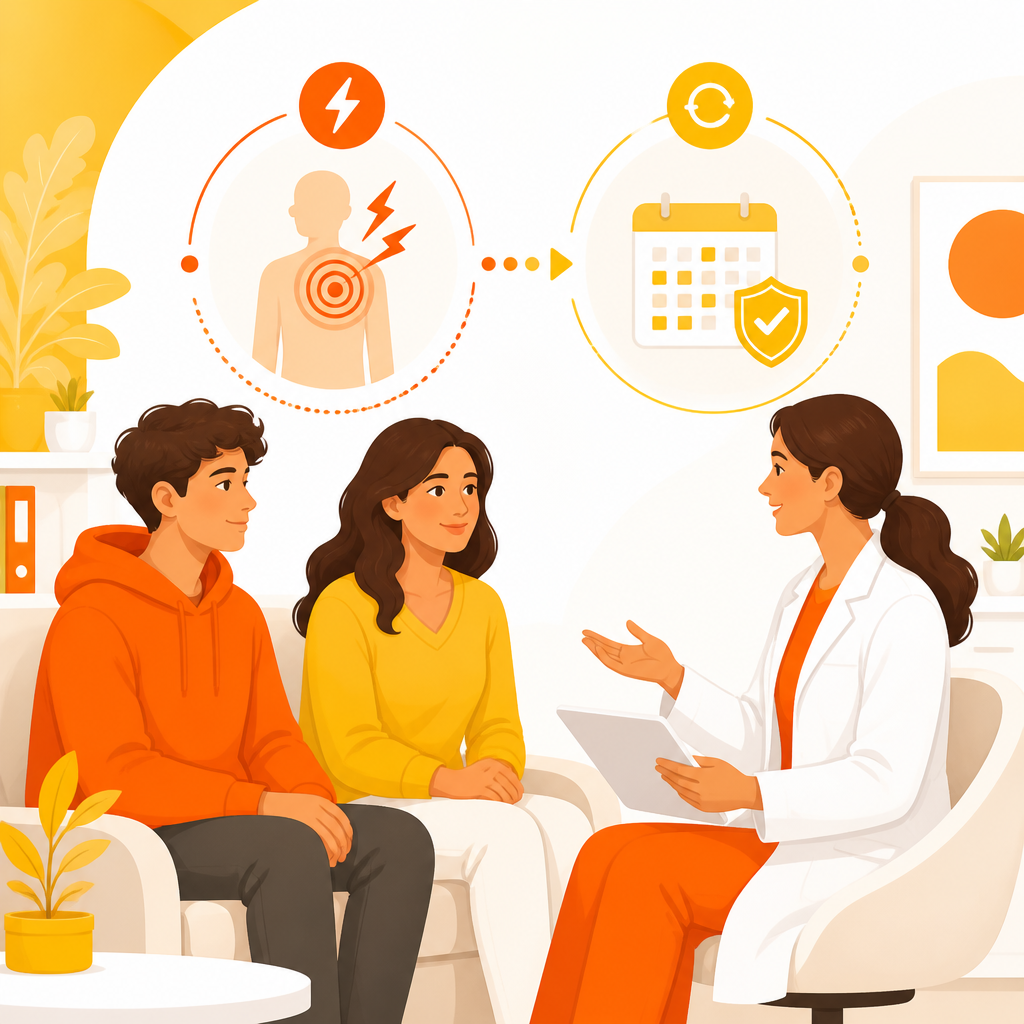
Acute or Chronic? Here’s How to Tell (and Why It Matters)
Many parents wonder: *Is this a one-time illness—or the start of a pattern?* The difference affects how treatment works, how often you follow up, and what “success” looks like.
Acute illnesses (short-term)
Usually develop quickly and resolve with the right treatment. Examples:
- Colds, flu, sore throats
- Ear infections
- Stomach bugs / GI upset
- Fever without a clear source
Chronic conditions (long-term)
Last months to years and require ongoing monitoring and support. Examples:
- Asthma and other breathing problems
- Allergies
- Eczema
- ADHD and recurring behavioral/learning needs
✅ At Powers Pediatrics, your plan can include immediate relief and long-term management—so you’re not starting over every time symptoms return.
Learn About Age & Stage: Parenting Teens Through Health Changes
As teens grow, their healthcare needs evolve—not only physically, but emotionally and practically. The “right” approach often changes from school-age follow-through to teen self-advocacy.
Ages 11–14: Building the routine
- Symptoms start to show up in new ways (sports injuries, seasonal allergies, emerging ADHD concerns)
- Your job is to keep care structured while increasing your teen’s involvement
- Education matters: helping them understand what’s happening in their own body
Ages 15–18: Self-management begins
- Your teen may be more private about symptoms
- They’ll need practice communicating clearly about triggers, medication timing, and symptom patterns
- Care plans should be realistic for school schedules and social life
Young adults (college / work): Independence with support
- Appointments may shift toward your teen leading the conversation
- Follow-up and medication adherence become central
- We help families create a support system that still respects independence
Powers Pediatrics supports the full family—because good outcomes require teamwork.

Common Acute Illnesses We Treat (Same-Day Options)
If your teen or young adult is sick and you need answers quickly, we offer trusted pediatric diagnosis and treatment for common acute concerns, such as:
Fever & undiagnosed illness
(including cold/flu-type symptoms)
Sore throat
and respiratory complaints
Ear infections
Stomach bugs
and dehydration risk guidance
Cold and flu symptoms
Limited urgent care
for common childhood illnesses (when needed)
What you can expect
- A focused symptom review and examination
- Testing when appropriate (like cold/flu testing)
- A treatment plan that’s easy to follow at home
- Clear “what to watch for” instructions

Ongoing Chronic Condition Care (Monitoring + Management)
Chronic conditions don’t just affect the body—they affect sleep, school performance, stress levels, and confidence. We help families manage both the medical and practical sides of long-term health.
Asthma & breathing concerns
- Trigger education and symptom monitoring
- Support for flare-ups and ongoing management strategies
Allergies & allergy-related symptoms
- Evaluation and guidance tailored to your teen’s routine and triggers
- Allergy testing and treatment planning when appropriate
Eczema
- Skin care guidance that fits real life
- Plans designed to reduce flare frequency and improve comfort
ADHD and recurring concerns
- Support for day-to-day functioning
- Guidance for school, routines, and long-term follow-up
A Family-Centered Care Plan (From “What’s Going On?” to “Here’s Next”)
At Powers Pediatrics, you’ll get care that’s structured, compassionate, and teen-aware.
Typical steps include:
- Listen first: We take time to understand symptoms, history, and how illness impacts school/life.
- Diagnose clearly: Testing and exam results explained in parent-friendly language.
- Treat with intention: Medication and non-medication strategies, when appropriate.
- Plan follow-up: Monitoring schedules and triggers for return visits.
- Support independence: Help your teen learn how to communicate about symptoms as they grow.
Support Groups: You Don’t Have to Handle This Alone
Parenting teens through health challenges can feel isolating—especially when symptoms flare at inconvenient times (tests, practices, work, college applications).
While every family’s needs are different, Support Groups and community resources can help with:
- Sharing coping strategies
- Learning what questions to ask during appointments
- Reducing stress through connection
Ask our team for guidance on reputable local resources and education options related to conditions like asthma/allergies/eczema and parenting support for teen health and wellness.
Parenting Teens Through a Pandemic: What We’ve Learned
Illness isn’t new—but the pandemic changed the way families think about symptoms, safety, and access to care. Many parents also learned that teens need consistent reassurance and clear boundaries around health.
At Powers Pediatrics, we continue to support families with:
- Telemedicine for appropriate concerns
- Clear instructions on when to come in vs. when virtual guidance is enough
- Ongoing monitoring plans that reduce uncertainty
Parent-to-teen communication that works
- Direct but calm (no panic, no dismissal)
- Specific (“When X happens, we do Y”)
- Collaborative (your teen helps define what they can realistically do)
If you’re looking for ways to support your teen’s health while protecting their sense of control, we can help you build a plan together.
When Should You Call for Help?
Contact Powers Pediatrics if your teen or young adult has:
- Symptoms lasting longer than expected or worsening over time
- Frequent flare-ups (breathing issues, eczema flare cycles, recurring sore throats)
- Concerns about medication adherence or side effects
- School impact (missing classes, fatigue, difficulty functioning)
- Any signs of dehydration or severe illness
For emergencies or severe symptoms, seek emergency care immediately.
Related Topics
If you want deeper guidance, our team can help with:
- Allergy testing & allergy management
- Cold/flu testing and symptom relief plans
- Asthma flare-up action plans
- Eczema routine building
- ADHD support and long-term follow-up
Frequently Asked Questions
Do you treat both acute illnesses and chronic conditions?
Yes. We provide diagnosis, treatment, and ongoing management for short-term illnesses and long-term health conditions for children through young adults.
What types of acute symptoms do you see most often?
Common reasons include fevers, sore throats, cold/flu symptoms, ear infections, and stomach bug-related concerns.
Do you offer telemedicine?
Yes—telemedicine is available for appropriate concerns to help families get timely guidance.
Can you help us manage recurring allergy or asthma symptoms?
Absolutely. We can evaluate triggers, recommend next steps, and support long-term management (including allergy testing when indicated).
How do you involve teens in their care?
We help parents and teens communicate effectively and build realistic routines—so teens gain independence while still having family support.
Ready for Trusted Pediatric Care in Orlando?
Whether your teen needs a same-day sick visit or a clear plan to manage a long-term condition, Powers Pediatrics is here to support your family at every step.
Let’s help your child feel better now—and stay well for the long haul.
Schedule an appointment today:
- Request an appointment online
- Use the patient portal
- Call for same-day options / walk-in availability
Powers Pediatrics | Family-Centered Pediatric Care in Orlando, FL (Since 2008)