

PM Pediatric Telemedicine User Guide for Illnesses
Telemedicine can help Orlando families get trusted pediatric support from home—especially for common acute illnesses and routine chronic condition check-ins. This User Guide explains how PM Pediatric Telemedicine typically works for acute & chronic illnesses, what concerns are appropriate, and when Urgent Care or an in-person visit is the safer choice.
For your child’s care, Powers Pediatrics offers family-centered pediatric support, including telemedicine for illness guidance and follow-up, along with in-person and limited urgent care for common childhood conditions.
What PM Pediatric Telemedicine Is (and What It Isn’t)
PM Pediatric Telemedicine is a virtual pediatric visit designed to help families:
- Get medical guidance for appropriate acute illness concerns
- Complete follow-up visits from home
- Support chronic condition check-ins (routine monitoring and care planning)
- Ask questions about symptoms, next steps, and home care
Telemedicine can be a great first step for many concerns—but it doesn’t replace emergency evaluation. If your child’s symptoms suggest a medical emergency, you should seek emergency care rather than a virtual visit.
When Telemedicine Works Best for Acute & Chronic Illnesses
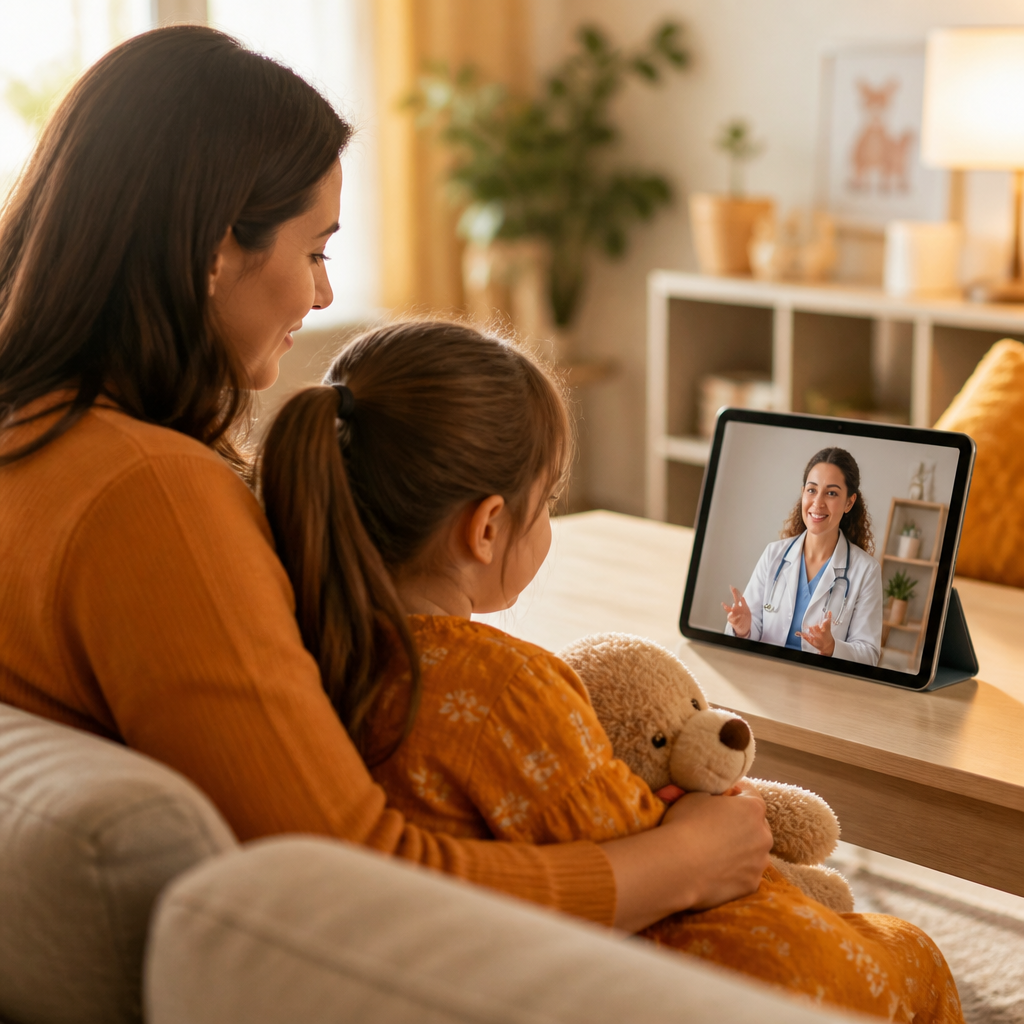
Use telemedicine when your child needs clinical guidance and you can safely describe symptoms and view visible signs (like breathing effort, rashes, or throat redness).
Common acute concerns often appropriate for telemedicine
You may be able to receive virtual assessment and a plan for:
- Colds and congestion
- Flu-like symptoms
- Sore throat concerns
- Fever with a clear history (and no red flags)
- Stomach bugs and vomiting/diarrhea guidance
- Ear pain complaints (especially when paired with symptom details)
- Coughing with or without wheeze (based on your child’s breathing and history)
Common chronic concerns often appropriate for check-ins
Telemedicine can also support ongoing care for conditions such as:
- Asthma (symptom monitoring, action plan check-ins, medication guidance)
- Allergies (itching, seasonal symptoms, follow-up)
- Eczema/skin flare management guidance
- ADHD (behavioral check-ins, follow-up planning, school concerns)
- Recurring or long-term issues where history and routine tracking matter
Powers Pediatrics aims to help you feel confident about what to do next—today and over time.
When to Choose Urgent Care or In-Person Evaluation
Some situations require in-person evaluation. Consider Urgent Care or emergency evaluation if your child has:
- Trouble breathing, fast breathing, severe wheezing, or visible retractions (chest pulling in)
- Blue/gray lips or face
- Signs of dehydration (very little urination, lethargy, dry mouth, no tears)
- A stiff neck, severe headache, or concerning neurologic symptoms
- Persistent high fever in infants (especially very young babies), or a fever with serious symptoms
- Severe abdominal pain, worsening pain, or blood in vomit/stool
- A rapidly spreading rash, bruising without explanation, or rash with severe illness appearance
- Any situation where you’re worried your child is getting worse quickly
If you’re unsure, start with the symptoms you can share right away—your clinician can help determine the safest next step.

Step-by-Step: How a PM Pediatric Telemedicine Visit Typically Works
While your exact workflow may vary, most telemedicine pediatric visits follow these steps:
1) Request or schedule your telemedicine visit
- Use Powers Pediatrics’ appointment request options or patient portal to arrange a virtual visit.
- Choose telemedicine for issues appropriate for home assessment and guidance.
2) Prepare before the appointment
- To make the visit efficient and helpful, gather:
- Your child’s age and weight (if available)
- A symptom timeline (when it started, what’s changed)
- Current medications and doses (including over-the-counter use)
- Allergy information
- Photos/video if relevant (rash, swelling, throat appearance, breathing pattern)
- A temperature log if fever is involved
3) Have the right setup at home
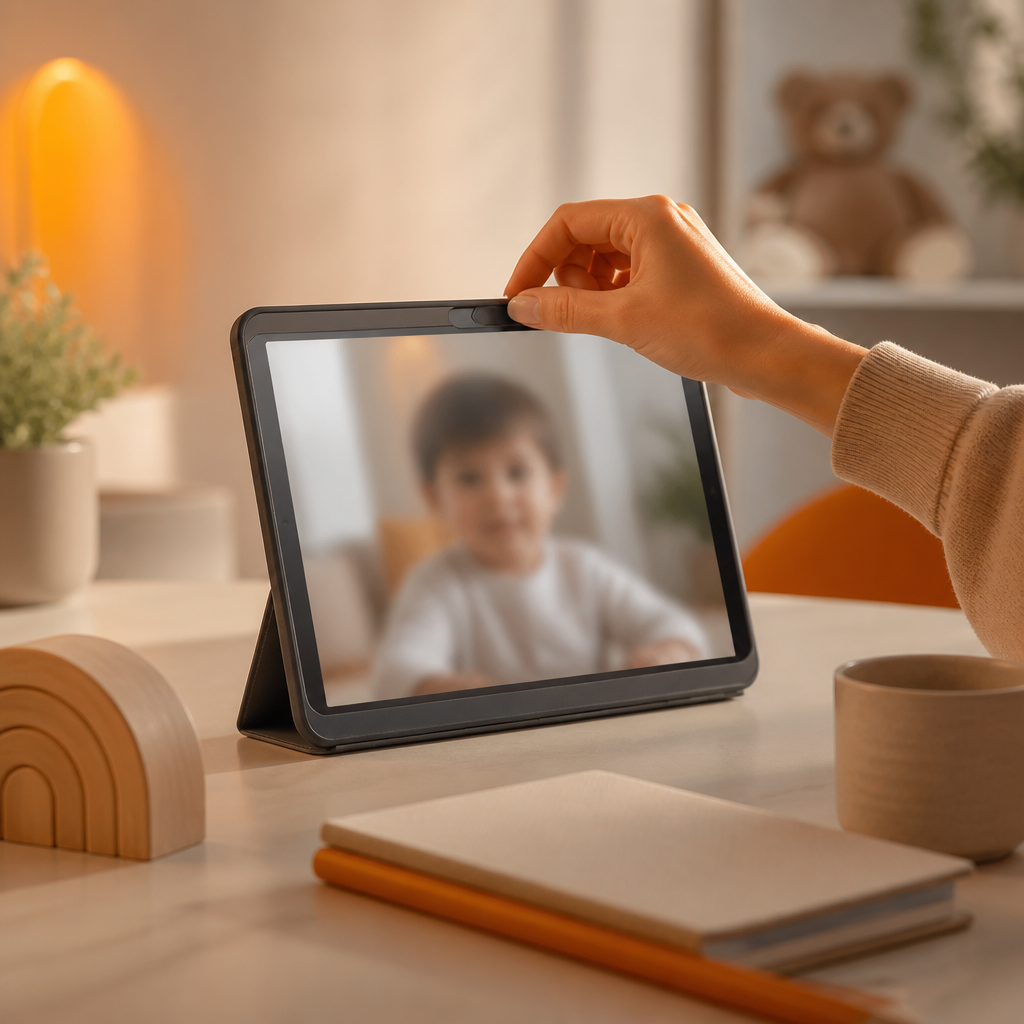
- A quiet room with good lighting
- A stable internet connection
- A device with camera and microphone
- If possible: a thermometer and any prescribed medications nearby
4) During the visit: explain symptoms clearly
- Be ready to cover:
- What you’re most concerned about today
- How your child is acting (energy, appetite, sleep)
- Breathing and hydration status
- Pain level (if applicable)
- Any known exposures (sick contacts, school/daycare, travel, allergens)
5) Receive a plan you can follow at home
- Your clinician may recommend:
- Home care instructions (hydration, fever guidance, comfort care)
- Symptom monitoring steps and what changes to watch for
- Testing if appropriate (for example, cold/flu testing guidance where offered)
- Medication recommendations or adjustments (when suitable)
- Follow-up plans (virtual or in-person)
What to Expect: Diagnosis, Treatment, and Follow-Up at Home
Telemedicine visits often result in one of these outcomes:
- Reassurance + home care guidance with clear return instructions
- A focused treatment plan (medication guidance and symptom management)
- Testing or in-person evaluation recommendation when needed
- Chronic care adjustments (asthma/allergy/eczema/ADHD follow-up)
For acute & chronic issues, the goal is the same: help your child feel better today while supporting long-term wellness.
Practical Home Preparation Checklist (Quick Reference)
Before your telemedicine appointment, consider having:
- Temperature reading and time taken
- Current weight (if you know it)
- Medication list (including OTC)
- Photo/video of the main symptom (rash, throat, breathing)
- Hydration notes (urination, drinking, vomiting/diarrhea frequency)
- A list of questions you want answered
This User Guide preparation can help your clinician make a faster, safer plan.
Privacy, Safety, and Quality of Pediatric Telemedicine
Telemedicine is designed to be clinically useful for appropriate pediatric concerns. Your clinician will:
- Rely on your observations and symptom history
- Use what’s visible during the video visit
- Ask questions to assess safety and severity
- Recommend Urgent Care or in-person care when virtual evaluation isn’t enough
If at any point symptoms suggest increased risk, the clinician will guide you to the safest option.
FAQs: PM Pediatric Telemedicine for Acute & Chronic Illnesses
Is telemedicine appropriate for fevers?
Often, yes—when there are no red flags and you can share symptom details (age, temperature pattern, behavior, hydration, and any other symptoms). Your clinician can also advise whether in-person evaluation is needed.
Can telemedicine help with cough or wheezing?
It can—especially for symptom tracking and guidance. If your child has breathing difficulty, severe wheezing, or concerning breathing effort, Urgent Care or in-person evaluation may be safer.
How do chronic condition check-ins work virtually?
Telemedicine check-ins usually focus on how symptoms have changed, current medication use, triggers, and whether your child is meeting expected goals. The clinician may adjust the plan based on history and visible symptoms when appropriate.
What if my child’s symptoms worsen after the visit?
If symptoms worsen, contact your care team and follow any “return precautions” given during the visit. Seek Urgent Care if your child develops severe symptoms or signs of medical emergency.
Do I need photos or video?
Not always, but it can help—especially for rashes, swelling, throat concerns, or breathing patterns you can safely observe.
How Powers Pediatrics Supports Families in Orlando
Powers Pediatrics provides family-centered pediatric primary care in Orlando, FL, including:
- Preventive care and routine visits
- Sick visits for appropriate concerns
- Follow-up support for acute and chronic needs
- Telemedicine for home-based pediatric guidance
- Limited urgent care for common childhood illnesses, when indicated
If you’re deciding between virtual support and Urgent Care, the best next step is to request guidance for your child’s symptoms—your clinician can help determine the safest path.
Call to Action
Explore telemedicine support for your child’s acute or chronic illness concerns with Powers Pediatrics.
Request a visit or learn more about how telemedicine fits into your child’s care plan, including when an in-person or Urgent Care visit may be recommended.