

Telemedicine for Daycare & School Illness Decisions
When your child is sick—or was exposed at daycare or school—it’s hard to know what to do next. Parents often need answers quickly: Is this contagious? Should my child stay home? Do they need medical tests? And when can they return?
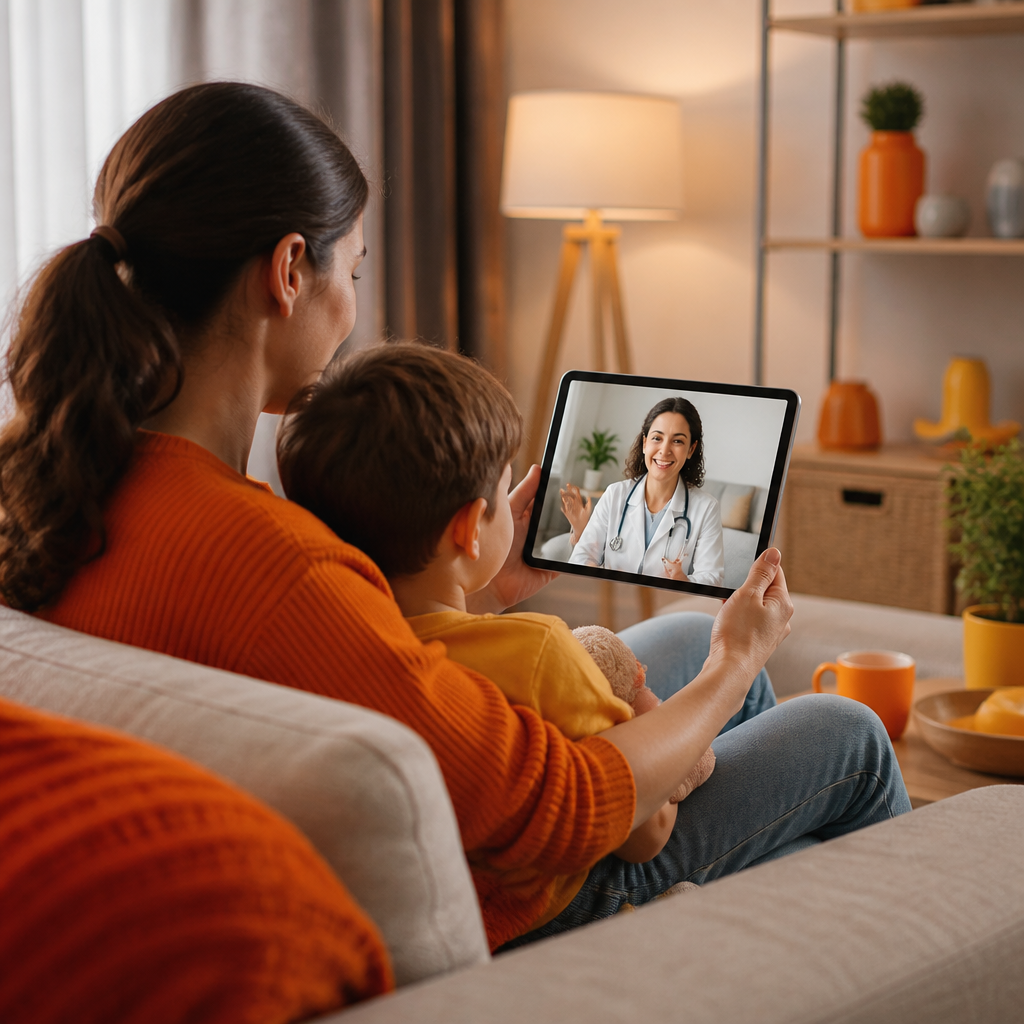
Powers Pediatrics uses telemedicine (virtual visits) to help Orlando families make informed, safe decisions. Not every pediatric concern requires an in-office trip, and virtual visits can be a practical first step for symptom review, care planning, and guidance on whether your child needs an in-person exam or testing for communicable diseases.
Why daycare and school illness decisions feel so complicated
Daycare and schools typically have rules to reduce spread of communicable diseases, but symptom patterns can overlap. A fever might come from a virus that improves quickly—or from something that needs specific care. A rash might be harmless or related to an infection. Coughing and sore throat might be viral, but sometimes testing is recommended.
Telemedicine helps bridge the gap between “my child seems sick” and “what does the pediatric team recommend now?”
When a virtual visit may help most
A telemedicine visit is often a good option when your child’s symptoms are mild to moderate and you mainly need medical guidance, triage, and next steps. Virtual visits can be especially helpful for:
- Fever and early illness symptoms (to review what’s happening and what to monitor)
- Cough, runny nose, sore throat, or congestion
- Vomiting or diarrhea (including hydration guidance)
- Rash concerns (with photo review when appropriate)
- Follow-up questions after a previous visit
- Medication questions (dose timing, side effects, when to stop)
- Return-to-school planning based on symptom improvement and exposure history
- Exposure concerns after contact with someone sick
If an in-person exam is needed, your pediatric provider can explain why—and help coordinate the next step, including whether medical tests are appropriate.
Understanding communicable diseases: what you can do right away
Even before you have a diagnosis, you can reduce spread while you decide on care:
- Keep your child home if they have symptoms that suggest they may be contagious or unable to participate comfortably.
- Practice hand hygiene and clean shared surfaces.
- Encourage fluids and rest.
- Track symptoms (temperature readings, breathing, appetite, hydration, and behavior).
During a telemedicine visit, your provider will ask targeted questions to understand whether symptoms could be related to communicable diseases and what to watch for as your child improves—or worsens.
How telemedicine works for symptom assessment
During a virtual visit, the goal is to gather enough information to guide safe decisions. Your Powers Pediatrics provider may review:
- Symptom timeline (when it started and how it’s changing)
- Temperature history and response to fever medicine (if used)
- Breathing and activity level
- Hydration status (urination, drinking, vomiting/diarrhea frequency)
- Exposure history (who your child was around, any known outbreaks)
- Medication list and any allergies
- Photos or short videos for concerns like rashes or throat appearance (when appropriate)
Telemedicine isn’t meant to replace hands-on care when it’s needed—but it can help you get expert guidance quickly and determine the next best step.

Deciding whether medical tests are needed
Sometimes parents need clarity about whether medical tests can help answer a school or daycare question. A provider may recommend testing when results would change treatment or improve safety—especially for illnesses where a specific diagnosis matters.
Common examples of situations where medical tests may be considered include:
- Suspected bacterial infections (where targeted treatment may be indicated)
- Symptoms concerning for specific communicable diseases
- Children with significant symptoms or high-risk household circumstances
- Return-to-school decisions when your school/daycare requires confirmation or clear documentation
Your provider will explain whether testing is likely to be helpful, what the test can and cannot confirm, and whether your child should be evaluated in person.
Return-to-school guidance: a practical checklist
Every program has its own policies, but most decisions rely on two themes: improvement and ability to participate. During (or after) your telemedicine visit, you can get guidance on what to document and what conditions should be met before returning.
Use this checklist to discuss return-to-school readiness with your pediatric provider:

- Fever: Has fever resolved without fever-reducing medicine for the required period (based on your school/daycare and your clinician’s advice)?
- Energy and participation: Is your child acting like themself and able to participate in normal activities?
- GI symptoms: Have vomiting and/or diarrhea stopped, and is hydration stable?
- Respiratory symptoms: Is coughing manageable, and is breathing comfortable?
- Rash: Is the cause likely contagious, or is it improving?
- Exposure history: Did the exposure create a reason for temporary exclusion or monitoring?
- School/daycare documentation needs: Does your program require a note, test result, or clearance statement?
If you’re unsure what your school or daycare will accept, ask your Powers Pediatrics provider. That’s where virtual guidance can help you plan the safest next step.
Preparing for your telemedicine visit (so you get answers faster)
To make your visit as useful as possible, gather:
- A quick timeline (when symptoms started and how they changed)
- Recent temperature readings
- Current medications and dosing times
- A list of allergies and medical history
- Photos if relevant (rash, throat appearance, signs of dehydration)—only when your provider advises it
- Any exposure details (who was sick, what symptoms they had)
- The school/daycare policy requirements (if you have them)
Start here by describing your main question: “Should my child stay home, and what should we do next?”
When you should seek in-person or urgent care instead
Telemedicine is helpful for many daycare and school concerns, but immediate in-person evaluation is necessary when there are warning signs, such as:
- Trouble breathing, fast breathing, or bluish lips/face
- Severe lethargy or difficult to wake
- Signs of dehydration (very dry mouth, no tears, markedly reduced urination)
- Persistent severe pain or worsening symptoms
- A concern that your child is getting significantly worse rather than improving
If you’re worried your child needs urgent attention, seek urgent or emergency care as appropriate.
FAQs
1) Can a virtual visit help me decide if my child is contagious?
Yes. During a telemedicine visit, your provider will review symptom patterns and exposure history to help you understand whether communicable diseases could be involved and how to reduce spread at home while deciding on return.
2) Will telemedicine determine if my child needs medical tests?
Often, it can help determine whether testing would meaningfully change next steps. Your provider may recommend in-person evaluation if a physical exam and/or testing is needed.
3) What if my child needs a return-to-school note or specific documentation?
Your provider can discuss what documentation is appropriate based on your child’s symptoms and course. Bring your school/daycare requirements to the visit so you can get guidance that fits their process.
4) How do you handle fever, cough, or vomiting concerns from daycare/school?
You can review symptom severity, timing, hydration, and breathing comfort virtually. If your provider thinks an exam or medical tests are needed, they’ll recommend the best next step.
5) Can telemedicine be used for exposure concerns even if my child seems okay?
Yes. If your child was exposed to a communicable illness, a virtual visit can help you understand monitoring, preventive steps, and whether symptoms should trigger evaluation or testing.
6) Is telemedicine appropriate for rash complaints?
It can be. Many rash concerns can be reviewed based on symptom details and photos, but some situations require in-person evaluation—especially if the rash is rapidly worsening or your child looks ill.
Conclusion: Get trusted pediatric guidance without an unnecessary trip
Daycare and school illness decisions require both medical knowledge and clear next steps. Telemedicine can help families make informed choices for symptoms, exposures, and return-to-school questions—while still ensuring children are seen in person when hands-on evaluation or medical tests are needed.
If you’re deciding what to do right now, Powers Pediatrics can help you sort through the details and plan the safest next step from home.
Call to Action (CTA)
Explore Telemedicine or Virtual Visits at Powers Pediatrics to get convenient pediatric guidance for daycare and school symptom concerns in Orlando.
Request an Online Appointment Request to connect with a provider and discuss whether your child needs in-home care, in-office evaluation, or medical tests.