

Telemedicine Pediatric Visits for Grandparents and Caregivers
When you’re raising, fostering, or supporting a child’s health—whether you’re a grandparent, guardian, or another caregiver—getting trustworthy pediatric guidance quickly matters. The good news: not every pediatric concern requires an in-office trip.
Powers Pediatrics offers telemedicine (virtual) pediatric visits to help families in Orlando, FL get clear next steps from home—especially for common concerns, follow-ups, medication questions, and mild illness symptoms—while still ensuring children are seen in person when hands-on care or testing is needed.
What a telemedicine pediatric visit is (and what it can help with)
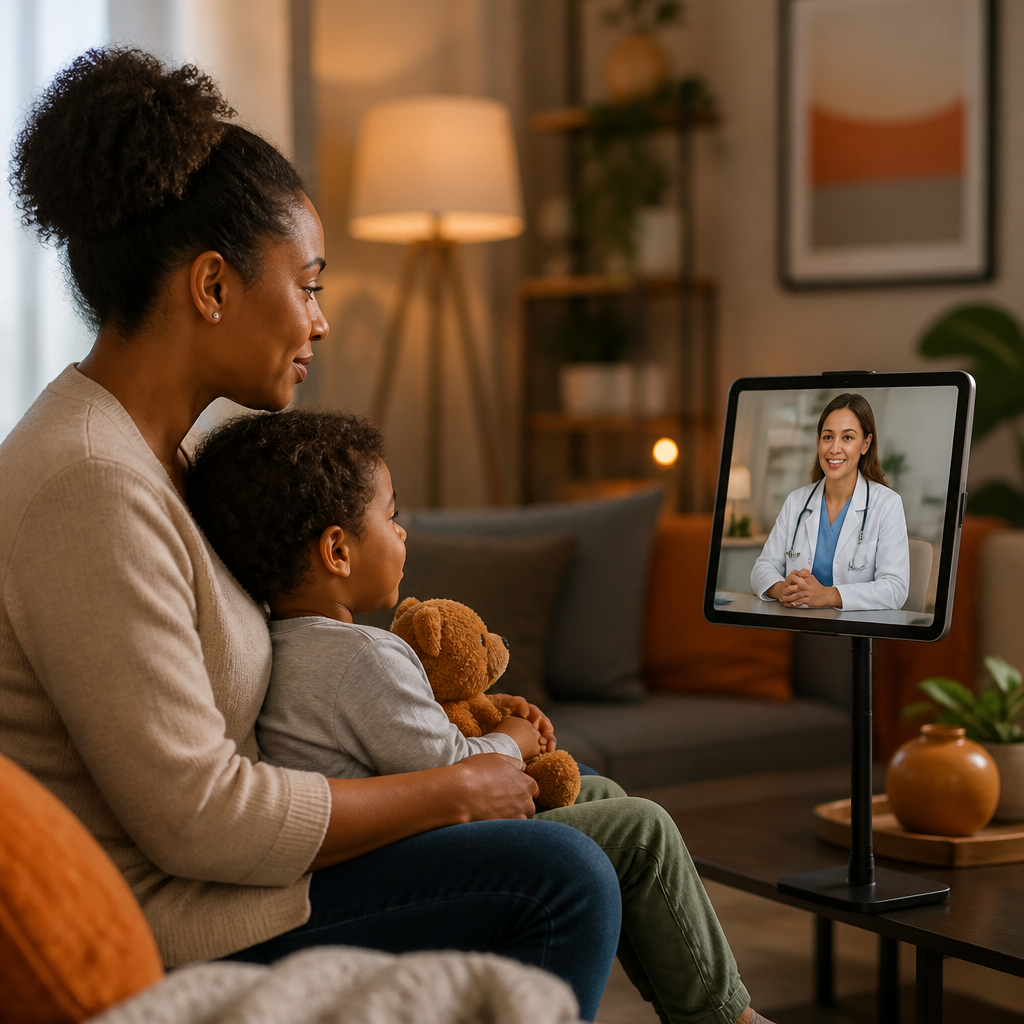
A virtual pediatric visit connects you with a Powers Pediatrics provider using secure video or telehealth tools. During the visit, your clinician may:
- Review the child’s signs and symptoms
- Ask questions about symptoms, timing, and home care
- Provide medical advice and a step-by-step treatment plan
- Discuss medications (including how to use them and when to stop or adjust)
- Decide whether an in-office visit or health care testing is needed
Telemedicine is especially useful when you need guidance quickly and an exam may be possible without bringing the child in—based on the situation.
When a virtual visit may be a good fit
Telemedicine can be a helpful first step for many concerns, such as:
- Mild cold symptoms (congestion, cough, sore throat)
- Follow-up care after a previous visit (improving or not improving as expected)
- Questions about fever patterns, comfort care, and hydration
- Ear pain concerns where guidance can help decide next steps
- Rashes that can be described clearly or shown on video/photo
- Vomiting or diarrhea guidance (to monitor dehydration risk and supportive care)
- Medication questions (dose, timing, side effects, whether something should be continued)
- School/sports-related health questions that don’t require an immediate physical exam
- Developmental or behavior questions that can start with history, observations, and planning
If you’re unsure whether your child needs to be seen in person, a virtual visit can help your provider triage the situation and recommend the right level of care.
Signs and symptoms to share during a telemedicine visit (the caregiver checklist)
Because a clinician can’t do the same hands-on exam over video, your observations are extremely important. If possible, gather these details before the visit:
1) Fever and temperature details
- Highest temperature and how it was measured (oral, ear, forehead, underarm)
- When fever started and whether it responds to medicine or cooling
- Your child’s current behavior and comfort level
2) Breathing and skin color
- Any trouble breathing (working hard to breathe, ribs pulling in, wheezing)
- Fast breathing, persistent coughing, or stridor (noisy breathing)
- Any bluish/gray coloring of lips or face
3) Fluids, urination, and dehydration signs
- How many times your child has peed (or wet diapers)
- Whether they can keep fluids down
- Dry mouth, no tears, unusual sleepiness
4) Vomiting/diarrhea patterns
- How many episodes and how long it’s been happening
- Presence of blood, severe belly pain, or a child who can’t stay awake
5) Pain, location, and severity
- Where it hurts (ear, throat, stomach, head)
- How bad it is (and whether pain is worsening)
6) Rash and other visual symptoms
- When the rash started and whether it’s spreading
- Whether it’s itchy or painful
- Whether blanches (turns lighter) when pressed gently (if you’re able)
7) Developmental or behavior changes
- What changed, when it started, and how it affects daily life
- Sleep changes, feeding changes, new fears, regression, or major behavior shifts
Care tip: If you’re using a phone for video, stable lighting helps. If safe, keep your child within the camera view so the provider can observe breathing and appearance.
When telemedicine isn’t enough (red flags that need urgent care)
Telemedicine is for appropriate situations—but some symptoms require urgent or emergency evaluation. Seek immediate emergency care or urgent evaluation if your child has:
- Trouble breathing, severe wheezing, or persistent breathing distress
- Bluish/gray lips or face
- Signs of severe dehydration (very little urine, cannot keep fluids down, extreme lethargy)
- A seizure, stiff neck with high fever, or severe confusion
- Severe allergic reaction signs (swelling of lips/face, trouble breathing, widespread hives)
- Uncontrolled bleeding or a rapidly worsening condition
- Any “this doesn’t look right” concern that worries you enough to seek in-person care
If you’re uncertain, contact Powers Pediatrics for guidance on the safest next step.

How to prepare for a virtual visit as a caregiver
Telemedicine works best when you can share accurate information quickly. Consider preparing:
- Your child’s medical history basics (diagnoses, allergies)
- A current list of medications (including doses and timing)
- Immunization status if relevant to the concern
- The child’s symptoms timeline (when it started and what changed)
- Any helpful photos or short symptom videos (rashes, breathing effort—only if safe)
- Your own questions and the outcomes you want (comfort plan, treatment options, next steps)
Grandparents and other caregivers: participation matters
If you’re not the child’s parent, you can still be an essential part of the visit. Be ready to share:
- Who has medical decision authority for the child (as applicable)
- Key history about the child’s current situation
- Any custody/guardianship details your provider may need for care planning
If you have questions about what to bring or how consent works for telemedicine, ask Powers Pediatrics when scheduling.
What happens after the virtual visit? (possible next steps)
A telemedicine visit typically ends with a clear plan. Depending on symptoms and risk level, your provider may recommend:
- Home care and comfort measures with specific instructions
- Medication guidance (what to start, continue, or stop)
- Monitoring at home with clear “when to call” instructions
- A follow-up virtual check-in
- An in-office visit for an exam
- Testing (such as cold/flu-type testing, when appropriate)
- Allergy-related next-step planning if symptoms suggest an allergic pattern
Virtual care can help you avoid unnecessary trips—while still making sure children get hands-on evaluation when needed.

Family Support Resources for caregivers (health care + support systems)
Caregiving can be emotionally and logistically demanding—especially when you’re balancing work, school, and the health needs of children. Caregiver support often comes from the “safety net” of local and state programs, community organizations, and school/community partners.
Here are categories of Family Support Resources that can help caregivers when coordinating pediatric health care:
- Kinship caregiver and child welfare programs: State and local agencies often provide guidance, training, and connection to services for grandparents and other relatives raising children.
- Respite care and caregiver support services: Helps reduce burnout and provides breaks when you need them.
- School and learning supports: School counselors, nurses, and special education teams can help coordinate accommodations and health-related needs.
- Community health navigation: Some communities offer case management to help families find services, appointments, and benefits.
- Caregiver support groups: Peer support can help you learn what to ask, how to advocate, and how to plan for hard moments.
If you’re looking for guidance specific to your situation, Powers Pediatrics can also help you understand the medical side—then point you toward the right next-step support pathways for non-medical needs.
Frequently Asked Questions
Can grandparents or other caregivers attend a telemedicine visit?
Yes. Grandparents, guardians, and other caregivers are often the ones who know the child best. You can participate in the visit and share observations, symptom details, and care history. Powers Pediatrics can also help clarify what information is needed for your role in care decisions.
What types of pediatric issues can be handled virtually?
Many mild or moderate concerns can start with telemedicine—such as cold symptoms, follow-ups, symptom monitoring, medication questions, and guidance for home care. Your provider will determine whether you also need an in-office exam or testing.
What signs and symptoms should I watch at home before the visit?
Focus on the child’s overall comfort and behavior, breathing effort, hydration/urination, fever pattern, pain level, and any visible rash or changes. Sharing the symptom timeline helps your clinician give safer guidance.
Will my child need testing after a virtual visit?
Sometimes. A telemedicine visit can help decide whether testing is needed based on the child’s symptoms and risk factors. If testing is recommended, your provider will outline the next steps.
Can telemedicine lead to prescriptions?
In many cases, medication questions can be addressed during a virtual visit. Whether a prescription is appropriate depends on the child’s symptoms, history, and clinical needs.
Is telemedicine appropriate for urgent or emergency symptoms?
No—virtual visits are not a substitute for emergency evaluation. If your child has red-flag symptoms (like severe breathing problems, signs of severe dehydration, or severe allergic reactions), seek urgent or emergency care.
Next step: choose the right visit type with Powers Pediatrics
If you’re weighing whether your child needs to come in—or if virtual guidance from home makes more sense—Powers Pediatrics can help you decide.
Explore telemedicine options at Powers Pediatrics
to learn how virtual visits work for common pediatric concerns in Orlando.
Request a virtual visit or ask a team member
if you’re unsure whether your child’s signs and symptoms should be evaluated from home or in person.
Conclusion
For grandparents, guardians, and other caregivers, pediatric care shouldn’t add confusion on top of already busy days. Telemedicine can help you get trusted pediatric guidance for many common signs and symptoms, medication questions, mild illnesses, and follow-ups—while still ensuring children are seen in person when hands-on evaluation or testing is needed.
If you’re not sure what level of care your child needs, start with a virtual visit and get clear next steps from a Powers Pediatrics provider.