

Pediatric Telemedicine for Anxiety & Routines
When your child is having a tough day—sleep battles, frequent tantrums, attention concerns, school adjustment stress, sensory overload, or anxiety and worries—you shouldn’t have to wait for the “perfect time” to get trusted pediatric guidance.
With Telemedicine (Virtual Visits) from Powers Pediatrics in Orlando, FL, families can connect with a provider from home for the care planning and coaching that can help—while still making sure your child gets seen in person when hands-on evaluation, testing, or treatment is necessary.
Not Every Pediatric Concern Needs a Trip to the Office
Convenient pediatric care from home for busy Orlando families when an in-office visit may not be necessary.
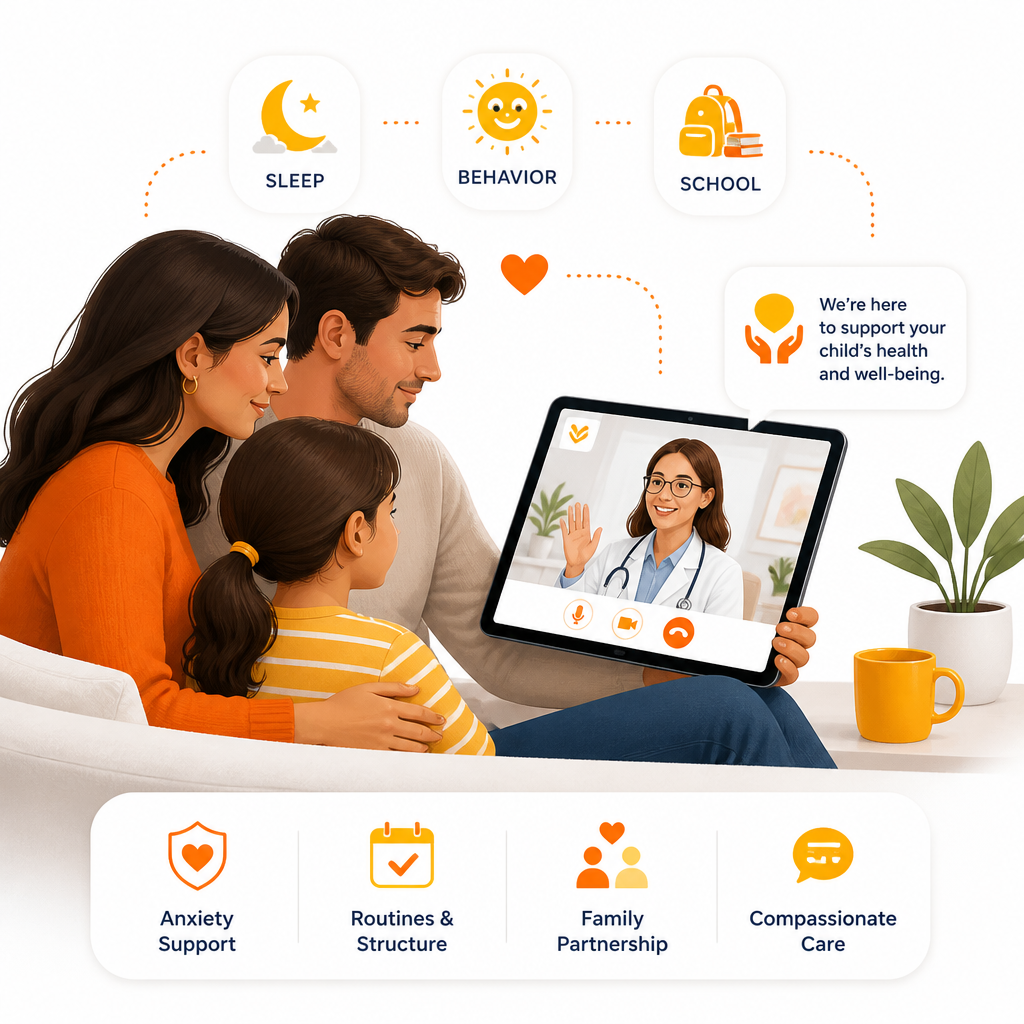
In a Virtual Pediatric Visit, We Can Help With…
Virtual visits are designed for common concerns, follow-ups, and guidance—especially when you need answers soon.
- Anxiety and worries (what to do when your child is anxious, fearful, or easily overwhelmed)
- Sleep routines (bedtime struggles, night waking, inconsistent schedules)
- Tantrums and behavior challenges (frequency, triggers, de-escalation strategies)
- Attention concerns (home/school patterns and next steps)
- School adjustment questions (transitions, routines, communicating with adults, building coping habits)
- Sensory challenges and regulation (including sensory-seeking behaviors and overwhelm)
- Medication questions or follow-up on how a plan is working
- Mild illness symptoms and guidance (when appropriate)
- Developmental questions and care planning support
If your child needs an exam, testing, or in-person treatment, your Powers Pediatrics provider will guide you on the next best step.
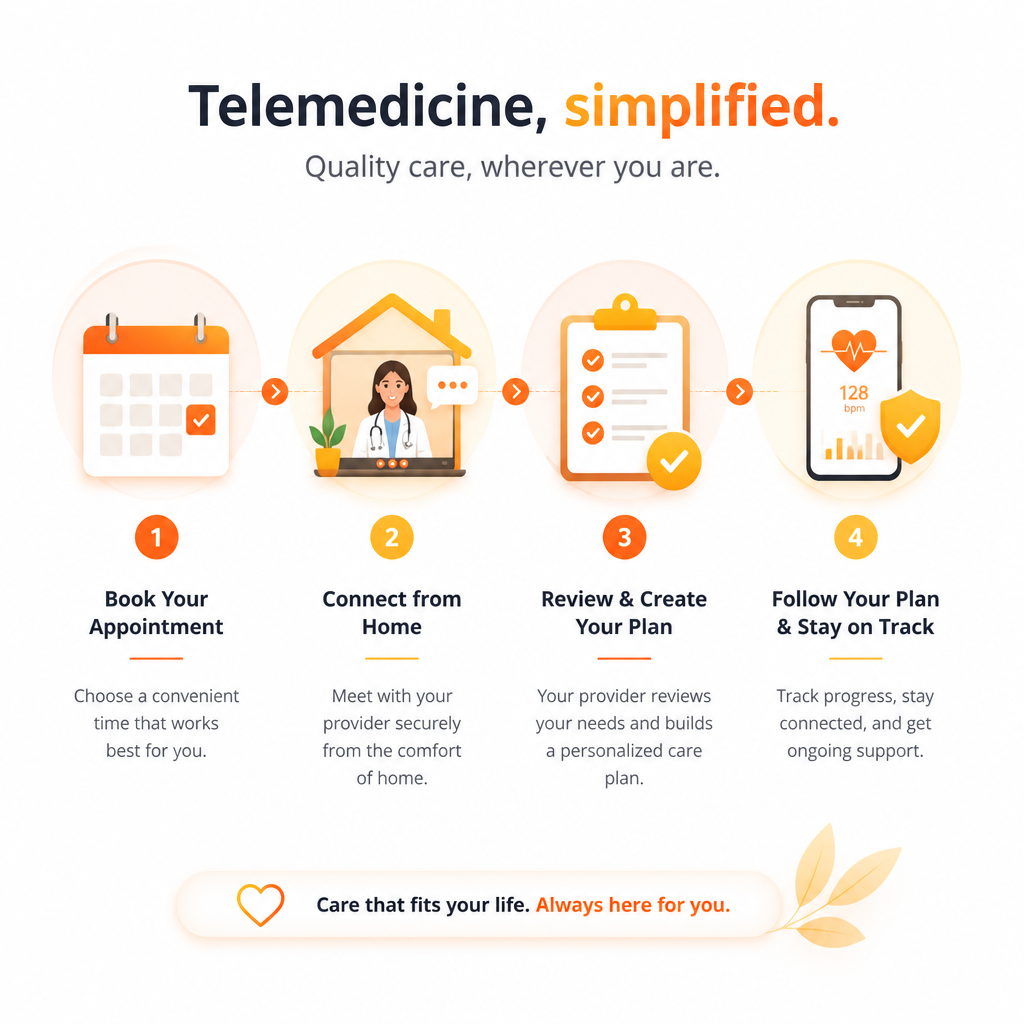
How Telemedicine Works at Powers Pediatrics (Simple Steps)
Telemedicine care is built around practical steps that help families move from concerns to a clear plan.
Request a virtual appointment
Use our online appointment request or schedule through our usual process.
Join the visit from home
You’ll meet with a Powers Pediatrics provider to discuss concerns and review what you’re seeing.
Share details that help us make a plan
We’ll talk through symptoms/behavior patterns, timing, triggers, sleep, school routines, and what’s already been tried.
Get a care plan—then follow up
Virtual care can include behavior coaching, routine guidance, medication review (if relevant), and a clear plan for monitoring and when to come in for in-person care.
Care Planning for Behavior, Routines, and Everyday Challenges
Families come to Powers Pediatrics for support when daily life starts to feel like a constant struggle. Virtual visits can help you build structure and reduce stress—for you and your child.
Sleep Routine Guidance (Because Sleep Drives Everything)
During telemedicine, we help families create realistic sleep routines by reviewing:
- Current bedtime and wake patterns
- Night awakenings and morning behavior
- Screen use, bedtime routine, and consistency
- Strategies to reduce battles and support calmer transitions
Tantrums, De-escalation, and Consistent Routines
We’ll help you address tantrums by identifying:
- Likely triggers (transitions, hunger, overstimulation, fatigue)
- What happens before and after a meltdown
- Skills to teach (and scripts for what to say/do)
- Ways to create predictability at home
Attention Concerns and Family “Flow”
For attention and focus challenges, virtual visits can help you align:
- Home structure (routines, directions, breaks)
- School patterns (what works/what doesn’t)
- Tracking what changes over time
Sensory Seeking & Overwhelm: A Virtual-Friendly Starting Point
Many children who appear “out of control” are actually trying to regulate their bodies and brains. In virtual visits, providers can help you create practical adjustments such as:
- Build a simple “sensory strategy” (planned movement, calming input, and transitions)
- Reduce overstimulation during key times (morning, homework, bedtime)
- Add “just enough” sensory support—without turning the whole day into a sensory event
- Teach expectations around sensory needs (how to request breaks appropriately)
Your provider can also help you decide when sensory needs may overlap with anxiety, attention concerns, or broader developmental factors.
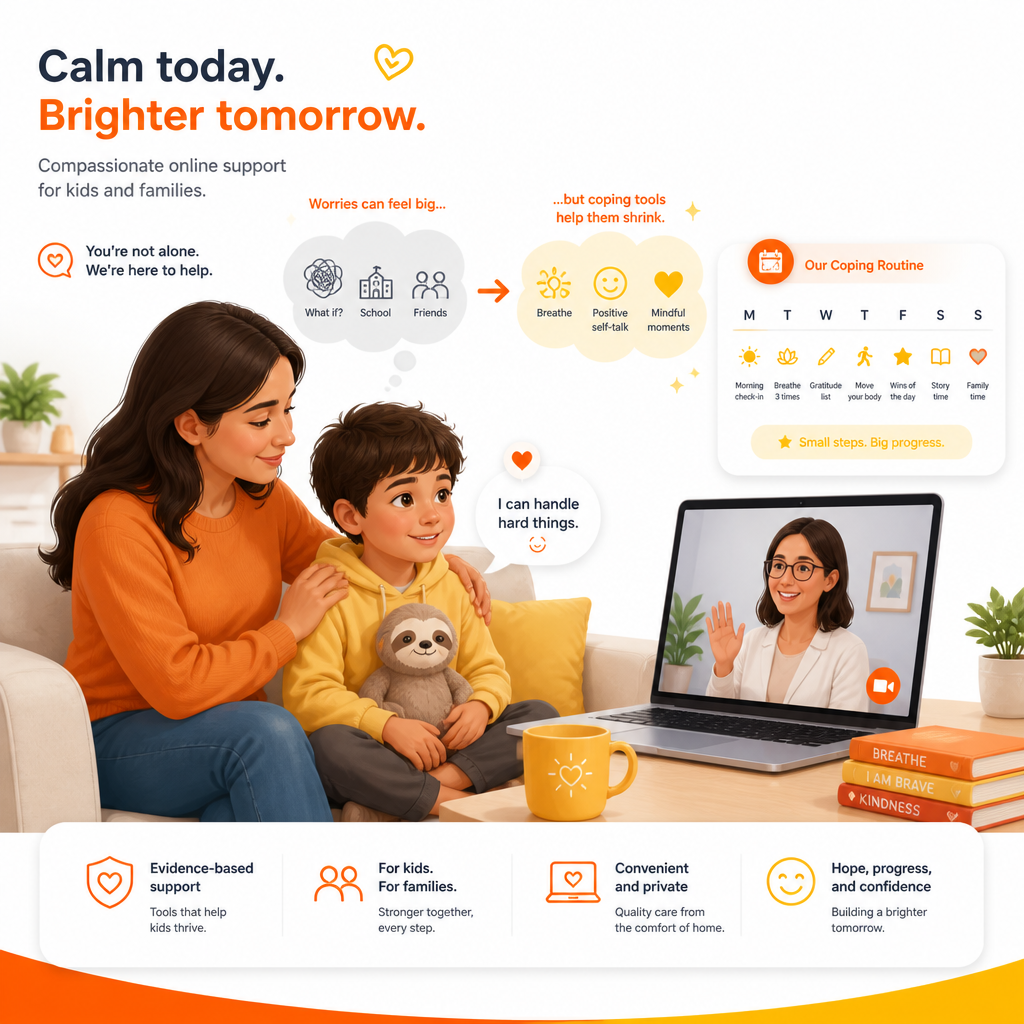
Anxiety and Worries: What a Pediatric Virtual Visit Can Look Like
When anxiety shows up at home or school, it can affect:
- Sleep
- School performance and participation
- Friendships and social confidence
- Appetite, stomachaches, and “not feeling well”
- Meltdowns that seem out of proportion
In a virtual visit for anxiety and worries, Powers Pediatrics can:
- Help you understand patterns (what triggers anxiety, and what helps)
- Review coping routines and calming strategies
- Discuss how to communicate with your child in supportive, age-appropriate ways
- Review medication questions or follow up on treatment plans (when applicable)
- Identify when in-person evaluation or additional referrals may be needed
If symptoms suggest an urgent situation, your provider will advise you to seek in-person care right away.
Adv Neurodev Disord: Supporting Neurodevelopmental Care Planning (Virtual + In-Person)
Families often ask how pediatric care fits with complex neurodevelopmental concerns—sometimes discussed as Adv Neurodev Disord support (including advanced planning for conditions such as ADHD, autism spectrum-related needs, and other neurodevelopmental differences).
A virtual visit can be a strong starting point for:
- Discussing history, routines, school observations, and behavior patterns
- Creating a step-by-step plan for home structure and skill-building
- Supporting school communication strategies and transition routines
- Reviewing medication questions and tracking response over time
- Coordinating what needs to happen next (virtual guidance now, in-person evaluation when necessary)
Important: Some assessments, physical exams, or testing require in-person care. Powers Pediatrics will help you choose the right pathway for your child—without unnecessary trips.
Resources: What You’ll Leave With (Not Just “Advice”)
Virtual visits are most helpful when you can act immediately. That’s why Powers Pediatrics focuses on practical next steps and family-ready guidance.
Common resources families get support with during telemedicine, including:
- Sleep routine templates (what to do before bed, how to handle night waking)
- Behavior tracking sheets (triggers, timing, responses, and what improves)
- De-escalation scripts you can use in real moments
- Sensory support checklists for daily life and transitions
- Anxiety coping practice plans (simple routines you can repeat)
- School adjustment question lists to bring to teachers and staff
- Medication review checklists for follow-ups and side-effect monitoring
Ask your provider what tools match your child’s needs—we’ll tailor them to your family.
When Virtual Visits Are Not Enough (And What to Do Next)
Telemedicine is powerful, but some symptoms require in-office evaluation, testing, or urgent care. Seek in-person care or urgent evaluation if your child has:
- Trouble breathing, bluish lips, or severe breathing changes
- Signs of dehydration (very low urine, lethargy, inability to keep fluids down)
- Severe or worsening pain
- Fever concerns in very young infants (your provider will advise based on age and details)
- Injuries needing hands-on assessment
- New neurological concerns (such as seizures)
- Any situation that feels unsafe—providers will help triage quickly
During your virtual visit, Powers Pediatrics will determine whether you should come in and what testing (if any) is needed.
Frequently Asked Questions
Can a virtual visit help with medication questions?
Yes. Virtual visits can include medication review, follow-up on response, and guidance on next steps—when appropriate for your child’s situation.
Are virtual visits covered by insurance or Medicaid?
Powers Pediatrics accepts Medicaid and most major insurance. Coverage for telemedicine can depend on your plan—ask when scheduling.
Will my child need to come in after a virtual visit?
Sometimes. Virtual visits help determine what’s needed next. Many families receive care plans and monitoring virtually, while others are scheduled for in-person evaluation when hands-on assessment or testing is important.
What should we have ready for the visit?
Helpful items include:
- A list of symptoms/behavior examples and timing
- Sleep schedule notes (if relevant)
- Current medications and questions
- Any school feedback or concerns you’ve observed
- A willingness to share short videos or observations (when appropriate)
Ready for Convenient Pediatric Care From Home?
If you’re looking for trusted guidance for anxiety and worries, behavior and routine challenges, sensory regulation, school adjustment questions, or neurodevelopment-focused planning, Powers Pediatrics can help through Telemedicine (Virtual Visits).
Schedule a virtual visit for timely pediatric support—without an unnecessary office trip.
Book online or request your appointment today.