

Follow-Up Pediatric Telemedicine Visits in Orlando
Not every pediatric concern requires a trip to the office. If your child has recently had an illness, test, urgent care visit, or started a new treatment plan, a follow-up is often the best next step—especially to review progress and confirm what comes next. With telemedicine/virtual visits at Powers Pediatrics, families in Orlando can connect with a trusted pediatric provider from home for the guidance and reassurance they need.
Quick progress checks after sick visits
Follow-up after tests or urgent care encounters
Medication questions and next-step planning
Convenient Follow-Up Pediatric Care—From Home
If your child has recently had an illness, test, urgent care visit, or started a new treatment plan, a follow-up is often the best next step—especially to review progress and confirm what comes next. With telemedicine/virtual visits at Powers Pediatrics, families in Orlando can connect with a trusted pediatric provider from home for the guidance and reassurance they need.
Quick progress checks after sick visits
Follow-up after tests or urgent care encounters
Medication questions and next-step planning
Mild illness symptom review
Developmental questions and Child Development guidance
Determining whether an in-office exam or testing is needed
Why Follow-Up Matters (Especially for Kids)
After a child is seen for an illness, injury, or treatment plan, follow-up helps ensure recovery is on track and that the next steps are clear. Nationwide Children’s resources emphasize the importance of scheduling follow-up appointments to review progress and adjust care when needed.
Virtual visits make follow-up more convenient—so families can get answers sooner, without waiting for the next available in-office slot.
For related research and guidance, you can View in NLM Catalog (PMC article): https://pmc.ncbi.nlm.nih.gov/articles/PMC11354016/
What a follow-up can help you confirm
- What to monitor at home
- Whether improvement is expected or if escalation is needed
- When to schedule an in-person exam if needed
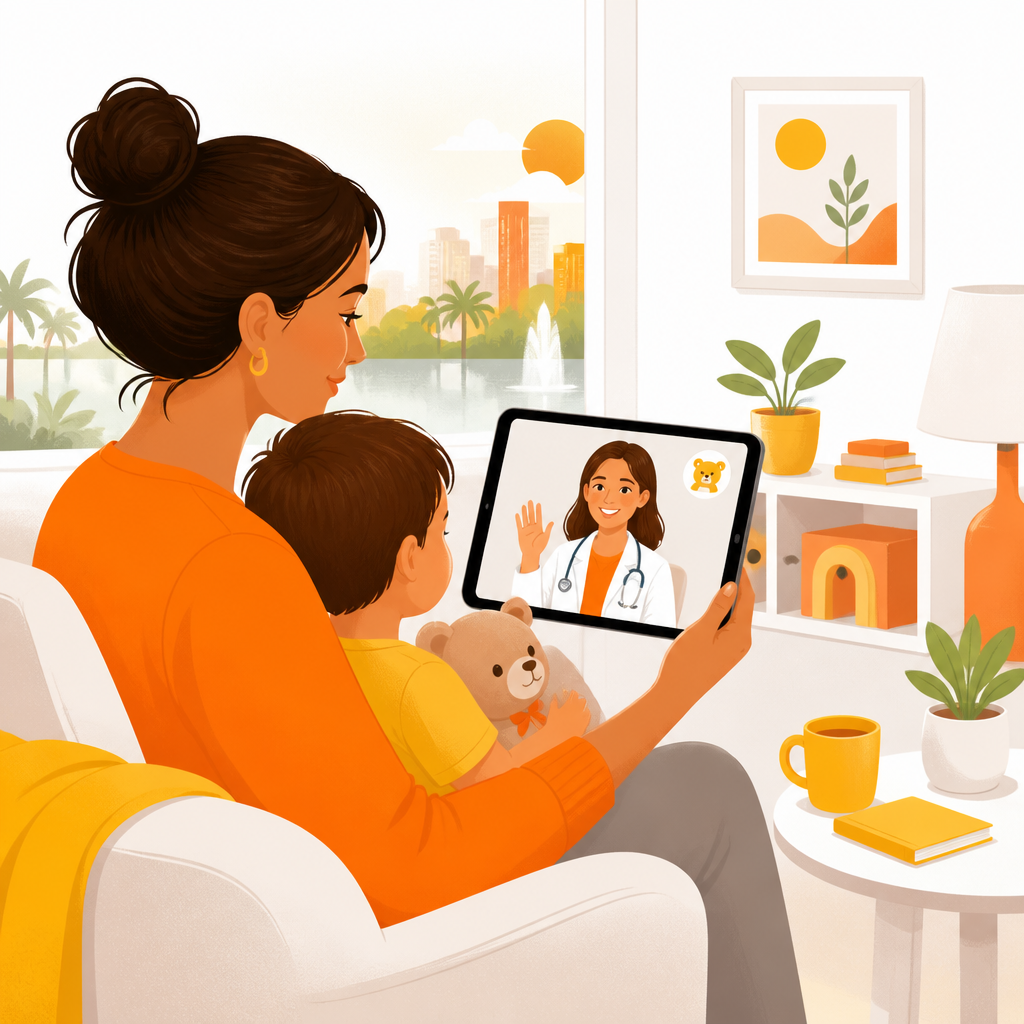
Telemedicine Follow-Up: When It Works Best
Telemedicine is designed for situations where a provider can assess symptoms, review information, and guide next steps safely—often without requiring a hands-on exam right away.
A virtual follow-up is commonly a great fit for:
- Reviewing improvement after a recent visit or home treatment
- Discussing test results and what they mean for your child’s care plan
- Medication check-ins (dose questions, side effects, whether to continue)
- Cold/flu symptom updates and supportive care guidance
- Rash or mild illness follow-ups (when photos and history help)
- Care-plan review after urgent care or emergency evaluation
- Developmental milestone questions and early guidance for next steps
Virtual care still has limits—by design If your child needs a physical exam, testing, or treatment that can’t be done virtually, your provider will help you decide the safest next step—often including an in-office visit when hands-on evaluation is needed.
Who This Is For: Follow-Up Visit Families
This page is for families who need a convenient check-in after a previous visit, such as:
- A recent illness, fever, or cough
- A treatment plan starting (or adjusting) for symptoms
- A lab test, imaging, or other evaluation
- An urgent care encounter
- A scheduled follow-up you want to do sooner
Follow-up that fits your day
Whether you’re juggling work schedules, school, or transportation challenges, Powers Pediatrics makes follow-up simpler—without sacrificing pediatric expertise.
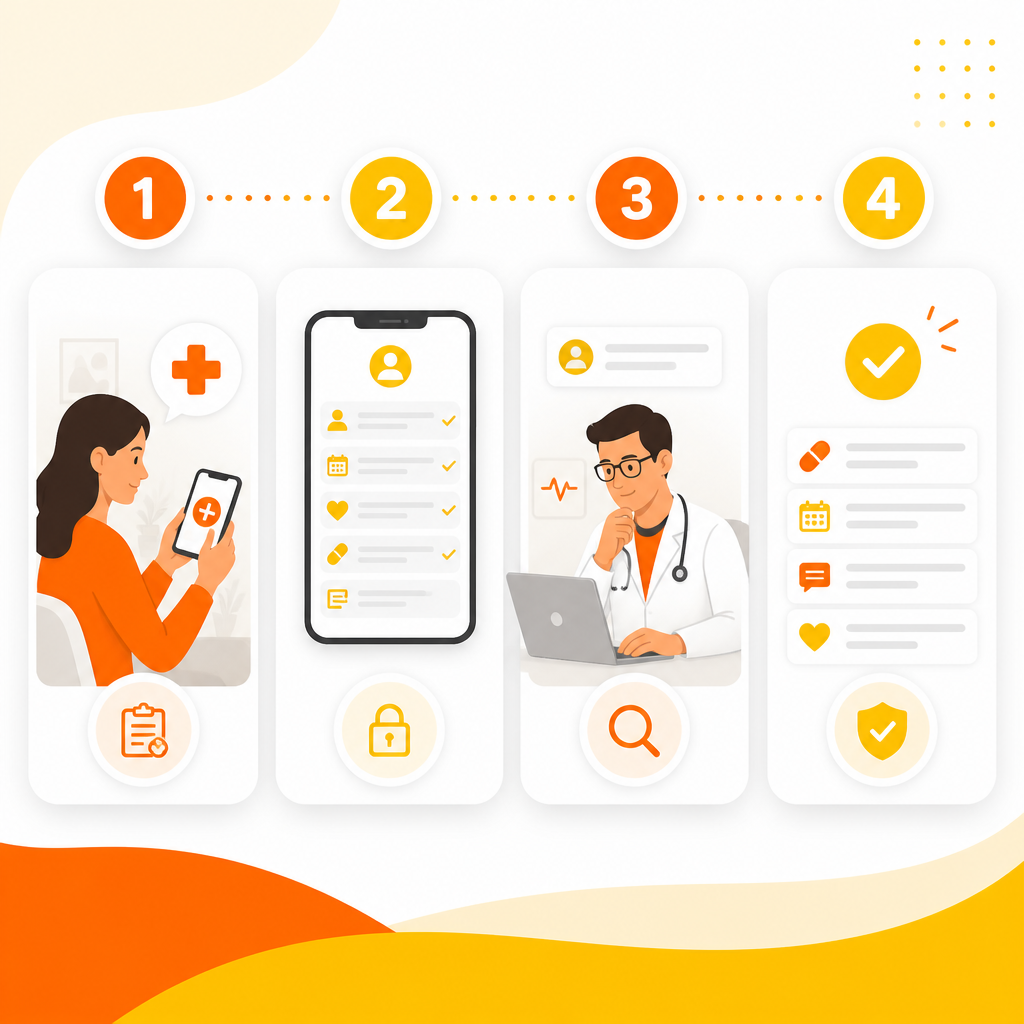
How Telemedicine (Virtual Visits) Work at Powers Pediatrics
Here’s what families can expect:
1) Request your virtual follow-up
Use Powers Pediatrics’ online appointment requests or connect through the patient portal. Families can often choose from same-day appointment options for appropriate concerns.
2) Share the details your provider needs
You’ll typically be asked about:
- Symptoms and how they’ve changed since the last visit
- Temperature/fever history (if relevant)
- Medications and dosing schedule
- Any test results you have
- Photos or symptom descriptions (when helpful)
3) Your provider reviews and recommends next steps
A Powers Pediatrics clinician can:
- Assess whether improvement is expected or if escalation is needed
- Review medication plans and answer questions
- Provide guidance for home care and comfort measures
- Discuss whether an in-office visit, testing, or further evaluation is recommended
4) Plan made clear—what to do next
You’ll leave with a clear plan, including:
- What to monitor at home
- Whether to continue or adjust treatment
- When to schedule an in-person exam if needed
- When to seek urgent care for worsening symptoms
Child Development Check-Ins (Virtually, When Appropriate)
Developmental questions are common—especially after concerns were raised during an illness, therapy, school feedback, or a previous appointment. At Powers Pediatrics, families can discuss Child Development topics during virtual visits, including:
- Developmental milestones and what’s typical at your child’s age
- Behavioral or learning concerns you want guidance on
- Questions about speech/language, motor development, or social skills
- Next-step planning (watchful waiting vs. in-person evaluation)
Ongoing guidance that fits busy families
Home visiting and support models highlighted by public health resources (such as those focused on early childhood support) reinforce the value of timely check-ins and ongoing guidance—something telemedicine can help support for busy families.
What to Prepare Before Your Virtual Visit
To get the best experience, we recommend:
- Have your child’s medication list available (name + dose)
- Review your symptoms timeline (start date, changes, and any triggers)
- If you have test results, keep them handy or be ready to reference key findings
- Prepare photos if the provider asks for them (e.g., rash comparison over time)
- Make sure you can describe your child’s behavior (energy level, feeding, sleep, breathing)
If symptoms are changing
If your child has had worsening symptoms since the last visit, let your provider know right away.
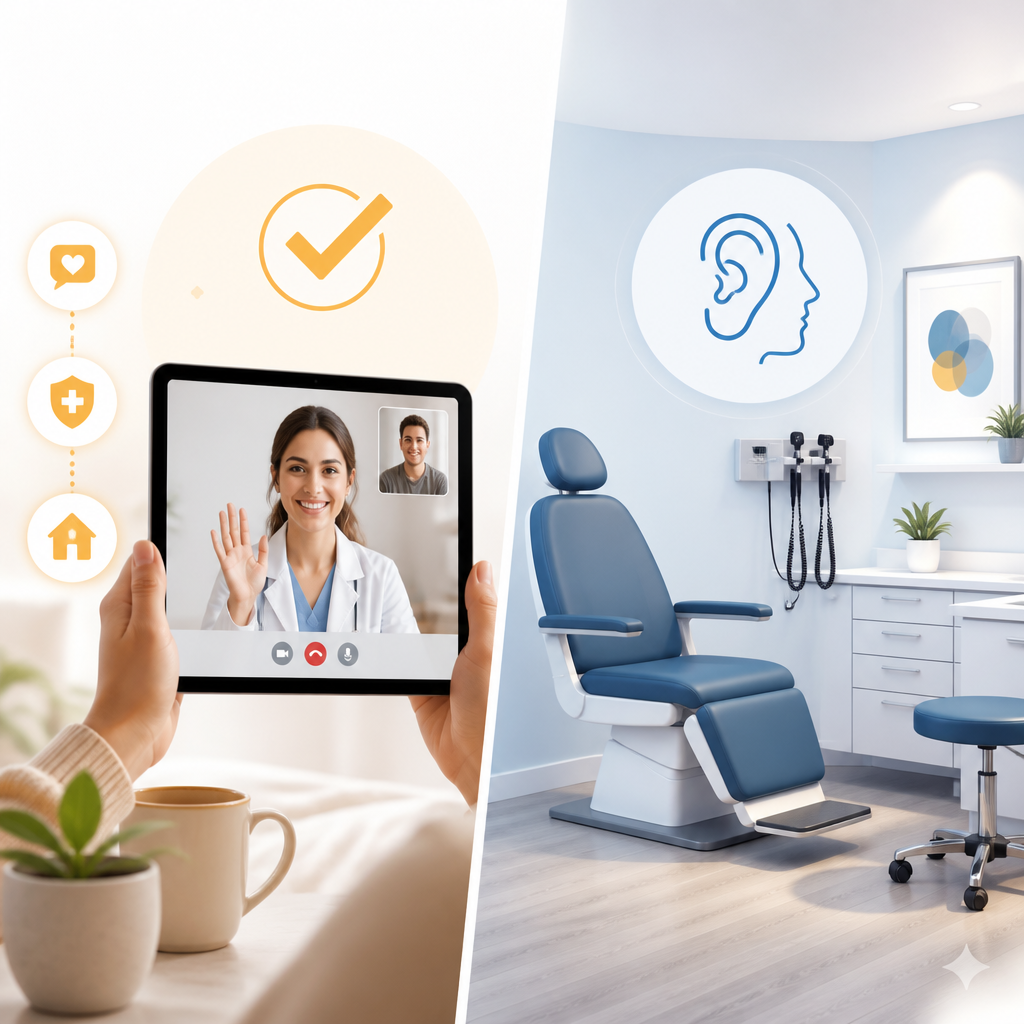
Telemedicine vs. In-Office: Knowing the Difference
Virtual visits are ideal for guidance and symptom review. In-person care may be needed for:
- Exam-requiring issues (listening, throat/ear evaluation, hydration assessment)
- Situations requiring testing that can’t be done remotely
- Treatments requiring hands-on care
- Concerns that can’t be safely determined through history and visuals
The goal isn’t “either/or”—it’s the right care at the right time. Powers Pediatrics will help you decide what’s best based on your child’s specific situation.
Helpful Resources (Follow-Up & Ongoing Support)
- Nationwide Children’s: scheduling and why follow-up appointments matter — https://www.nationwidechildrens.org/family-resources-education/700childrens/2025/12/the-importance-of-scheduling-a-follow-up-appointment
- NLM Catalog research resource (PMC): — https://pmc.ncbi.nlm.nih.gov/articles/PMC11354016/
- Early childhood support and home-based guidance resource: — https://www.illinoiscaresforkids.org/toddler-en/home-visiting
These resources align with the importance of follow-up planning and ongoing family support.
Frequently Asked Questions (FAQ)
Can I do a follow-up visit virtually after urgent care?
Often, yes. If your child’s symptoms are stable or improving, and a provider can review history (and any test results you have), a virtual check-in may be appropriate. If an in-person exam is needed, your clinician will recommend the next safest step.
What if my child’s symptoms are worse since the last visit?
Tell your provider as soon as possible. Telemedicine can help triage, but worsening symptoms may require an in-office visit or additional evaluation.
Are telemedicine visits good for medication questions?
Yes. Virtual follow-ups are commonly used to review medication plans, dosing schedules, side effects, and whether to continue, pause, or adjust treatment—based on your child’s response.
Can you address concerns related to Child Development during a virtual visit?
Yes. Many developmental questions can be discussed remotely, including milestone guidance and early next-step planning. If hands-on evaluation is needed, your provider will let you know.
How do we request an appointment?
Powers Pediatrics offers online appointment requests and patient portal access. Families can often find same-day options depending on availability and clinical appropriateness.
Plan Your Next Step With Powers Pediatrics
Powers Pediatrics has served Orlando families since 2008 with family-centered pediatric primary care for children from newborns through young adults. When you need a convenient follow-up, telemedicine can help you connect quickly for guidance, symptom review, and care planning—while still ensuring your child gets in-person care when it’s needed.
Ready to book a virtual follow-up? Request an appointment through our online system or the patient portal and choose a telemedicine visit when appropriate.
Plan made clear—what to do next
- What to monitor at home
- Whether to continue or adjust treatment
- When to schedule an in-person exam if needed
- When to seek urgent care for worsening symptoms