

Pediatric Allergy Testing & Treatment in Orlando
If your child has recurring allergy symptoms—itchy skin, sneezing fits, congestion, hives, coughing, wheezing, stomach upset, or reactions after exposure—you’re not alone. At Powers Pediatrics in Orlando, FL, we help families move from “guessing” to testing & diagnosis, then into a clear, supportive treatment plan.
Whether the concern is seasonal allergies, food reactions, or bites and stings, we’re here to guide your family with compassionate, family-centered pediatric care.
Same-day visits, walk-ins, and online appointment requests are available—plus telemedicine for eligible needs.
Call to schedule: 407-286-2965
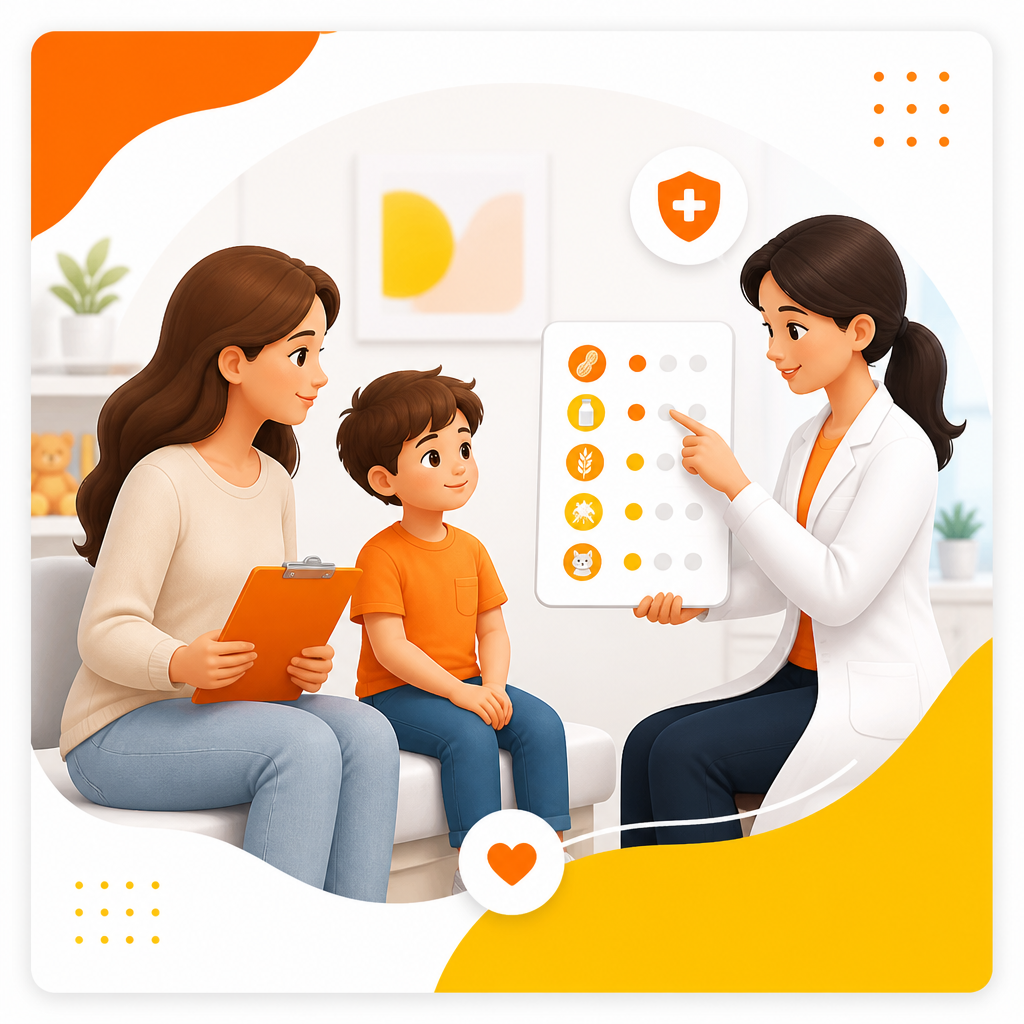
Why Accurate Allergy Testing Matters
Allergy symptoms can look similar to colds, infections, asthma, eczema flares, or other conditions. The right testing helps you and your child avoid unnecessary restrictions and get treatment that matches the cause.
At Powers Pediatrics, we focus on:
- Understanding your child’s symptom pattern and triggers
- Selecting the most appropriate testing & diagnosis pathway
- Creating an easy-to-follow plan for home, school, and sports
- Helping you know what to do when symptoms flare
Common Allergy Symptoms in Children
Allergies can affect multiple body systems. Your child may show signs like:
Respiratory & Seasonal Symptoms
- Sneezing, runny nose, congestion
- Itchy eyes or watery eyes
- Post-nasal drip or persistent cough
- Wheezing or trouble breathing
Skin Symptoms
- Eczema that won’t settle
- Itchy bumps or patches
- Hives (raised, itchy welts)
Digestive Symptoms
- Recurrent belly pain, nausea, or diarrhea
- Symptoms that occur after eating certain foods
Reactions After Exposure
- Symptoms after contact with pets, dust, pollen, or mold
- Reactions after bites and stings
If you’re unsure whether it’s allergy-related, we can help sort out the pattern and next steps.
Testing & Diagnosis: What to Expect
Allergy evaluation is typically guided by your child’s history and symptoms. Your clinician may recommend different approaches depending on the situation, including:
1) Detailed Allergy History
- When symptoms start and how long they last
- Triggers (foods, environments, seasons, outdoor activity, pets)
- What treatments helped (and what didn’t)
- Any family history of allergies, asthma, or eczema
2) Allergy Testing (Based on the Case)
Testing may include methods such as skin or blood-based testing—your child’s needs determine what’s appropriate. The goal is to identify likely allergens and confirm whether allergy is the cause.
3) Building a Diagnosis + Action Plan
Once we know what’s most likely driving symptoms, we help you understand:
- What to avoid (and what not to over-avoid)
- Which medications may help
- How to respond early if symptoms return
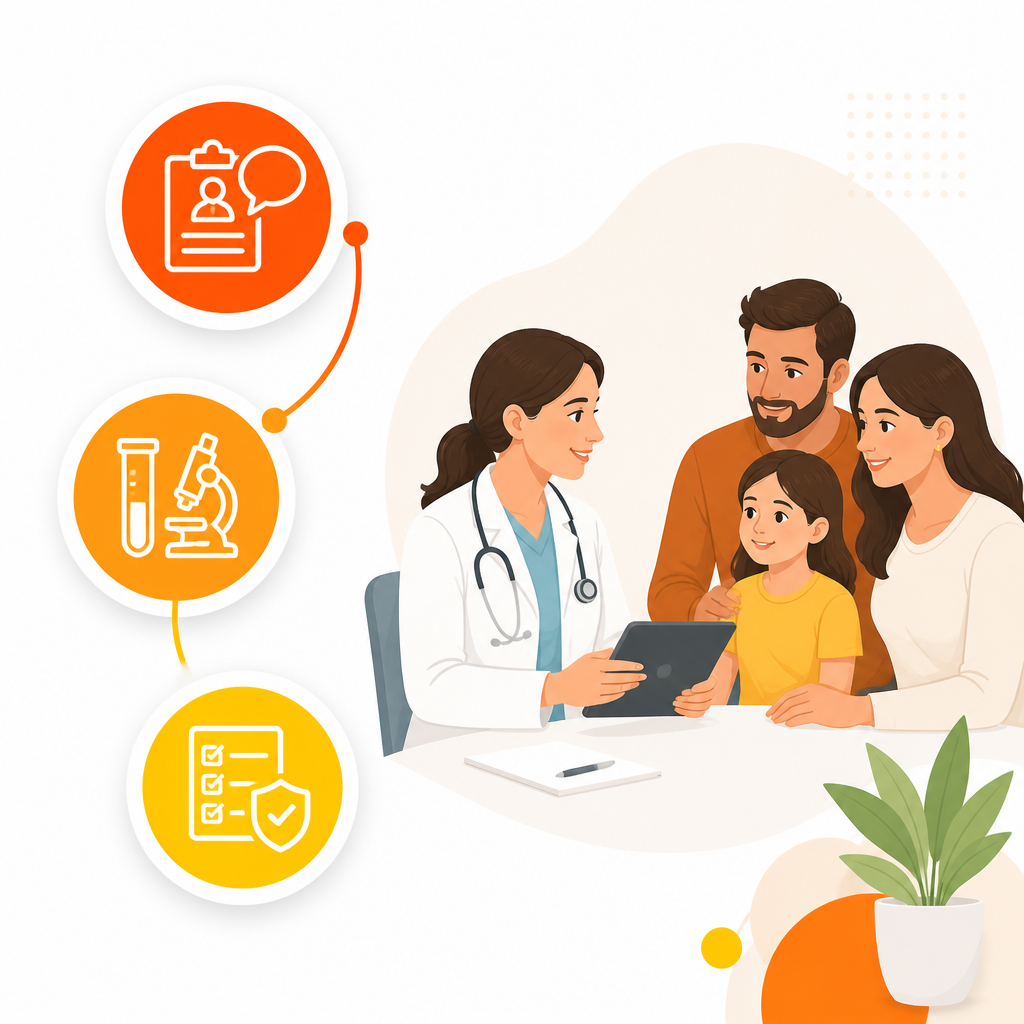
How to Prepare Your Child for Allergy Testing (So Results Are Clear)
Preparation helps ensure testing is as accurate as possible. Before the appointment, we’ll guide you with specific instructions—but here are helpful basics:
Bring This to Your Appointment
- A list of your child’s current medications (including allergy meds)
- Symptom dates and notes (a simple log is perfect)
- Photos of rashes/hives if you have them
- Any prior allergy test results or school forms
Plan for Comfort
- Dress your child in comfortable clothing
- Prepare for possible skin-based testing (if recommended)
- Bring snacks and activities if the appointment runs longer than expected
Medication Guidance
Some allergy medications can affect results. Do not stop anything without the testing instructions provided by your care team. We’ll tell you what to do before testing day.
For families who need testing & diagnosis with clarity, preparation is one of the biggest wins.
Treatment Guidance: From Testing to Real-Life Relief
Once the likely allergens are identified, treatment focuses on both reducing exposure and managing symptoms safely.
Your Plan May Include
- Environmental control guidance (for dust, pollen, pets, or mold triggers)
- Medication support for allergy symptoms when they flare
- Guidance for skin allergy management (especially for eczema-associated symptoms)
- School/sports-ready steps (so caregivers and teachers know what to watch for)
The Goal
> The goal is not just “less symptoms”—it’s more comfort, fewer surprises, and a plan you can trust.
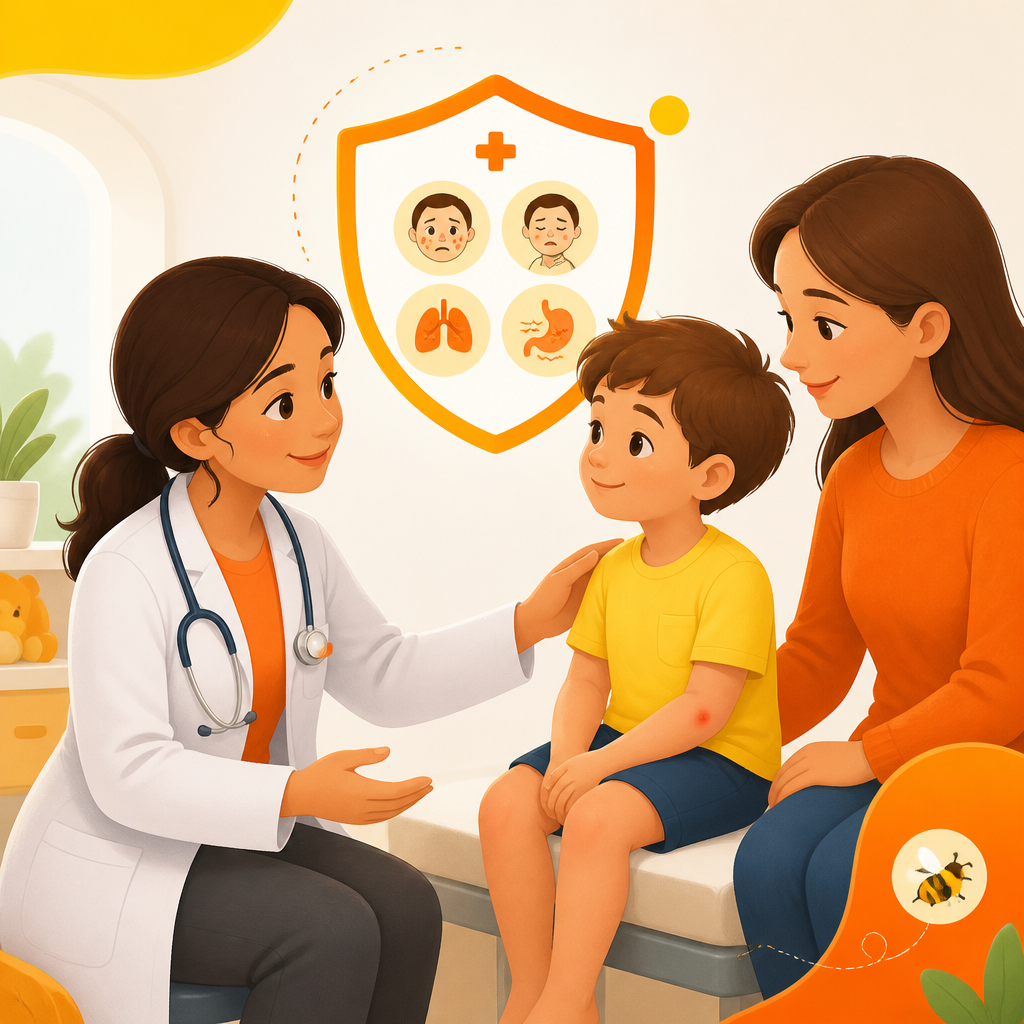
Bites and Stings: When Allergy Symptoms Happen After Insects
Reactions after bites and stings can range from typical local swelling to more concerning allergic reactions. Because children can react differently, it’s important to evaluate the pattern—especially if reactions are severe or repeated.
Seek urgent care immediately if your child has:
- Trouble breathing, wheezing, or persistent cough after a sting
- Swelling of the lips, tongue, or throat
- Widespread hives or vomiting
- Dizziness, fainting, or unusual lethargy
If your child had a reaction that worried you, Powers Pediatrics can help guide next steps—including evaluation and planning.
Schedule Online (and Get the Care You Need)
We know allergy symptoms don’t always wait for your calendar. That’s why Powers Pediatrics offers:
- Same-day appointments when available
- Walk-ins for eligible needs
- Online appointment requests for convenience
- Telemedicine for appropriate allergy follow-ups and guidance
Why Families Choose Powers Pediatrics for Pediatric Allergy Testing
Since 2008, Powers Pediatrics has served families across Orlando with a commitment to:
- Family-centered pediatric primary care for newborns through young adults
- A caring, comfortable experience for children and caregivers
- Help managing everyday needs in one trusted place (allergy testing included)
- Medicaid and most major insurance accepted
- Patient portal access for easy communication and follow-up
You’ll never feel like you have to figure allergy symptoms out alone.
Frequently Asked Questions
1) What does “testing & diagnosis” involve for kids?
It starts with a detailed allergy history, then testing that matches your child’s symptoms. After results, we help you understand triggers and build a practical treatment plan.
2) How do I schedule allergy testing for my child?
You can schedule online through our appointment request options, or call the clinic. If you need help deciding, our team can guide you to the best next step.
3) Should I bring my child’s medication list?
Yes. Bring a list or photo of the medication names and doses. Some medicines can affect testing, and we’ll provide clear instructions when needed.
4) Can allergies look like colds?
They can—especially in young children. That’s why evaluation matters. We’ll help determine whether symptoms fit an allergy pattern or another cause.
5) What if my child had a reaction to a sting or bite?
If symptoms were severe or you’re concerned, contact us promptly. Severe symptoms require emergency evaluation. We can also help with planning and next steps after the initial reaction.
Ready to Get Answers?
If your child is dealing with recurring allergy symptoms—or you suspect reactions related to bites and stings—Powers Pediatrics is ready to help with testing & diagnosis and treatment guidance built for real family life.
Schedule online:
Schedule onlineCall now:
407-286-2965Compassionate pediatric care in Orlando for every stage of childhood—newborn to young adult.