

Cold vs Flu Testing for Teens in Orlando
When your teen or young adult suddenly feels unwell—fever, fatigue, body aches, sore throat, cough, congestion—it can be hard to know what’s going on. A common cold and influenza (“the flu”) can look similar at first, but the best next steps often depend on the diagnosis.
Powers Pediatrics helps families in Orlando, FL get clarity with fast, family-friendly cold and flu testing, so you can make confident decisions about care, home isolation, and when to return to school or activities.
On This Page
- Cold vs Flu: Key symptom differences
- Flu-like symptoms in teens/young adults: what to watch for
- Why clinical testing and diagnosis matters
- What to expect at Powers Pediatrics
- Treatment guidance (cold vs flu)
- Healthy living tips to recover faster
- FAQs
- Request cold/flu testing in Orlando
Quick Promise
Powers Pediatrics helps you choose the right next steps based on diagnosis—whether that means cold support or flu guidance.
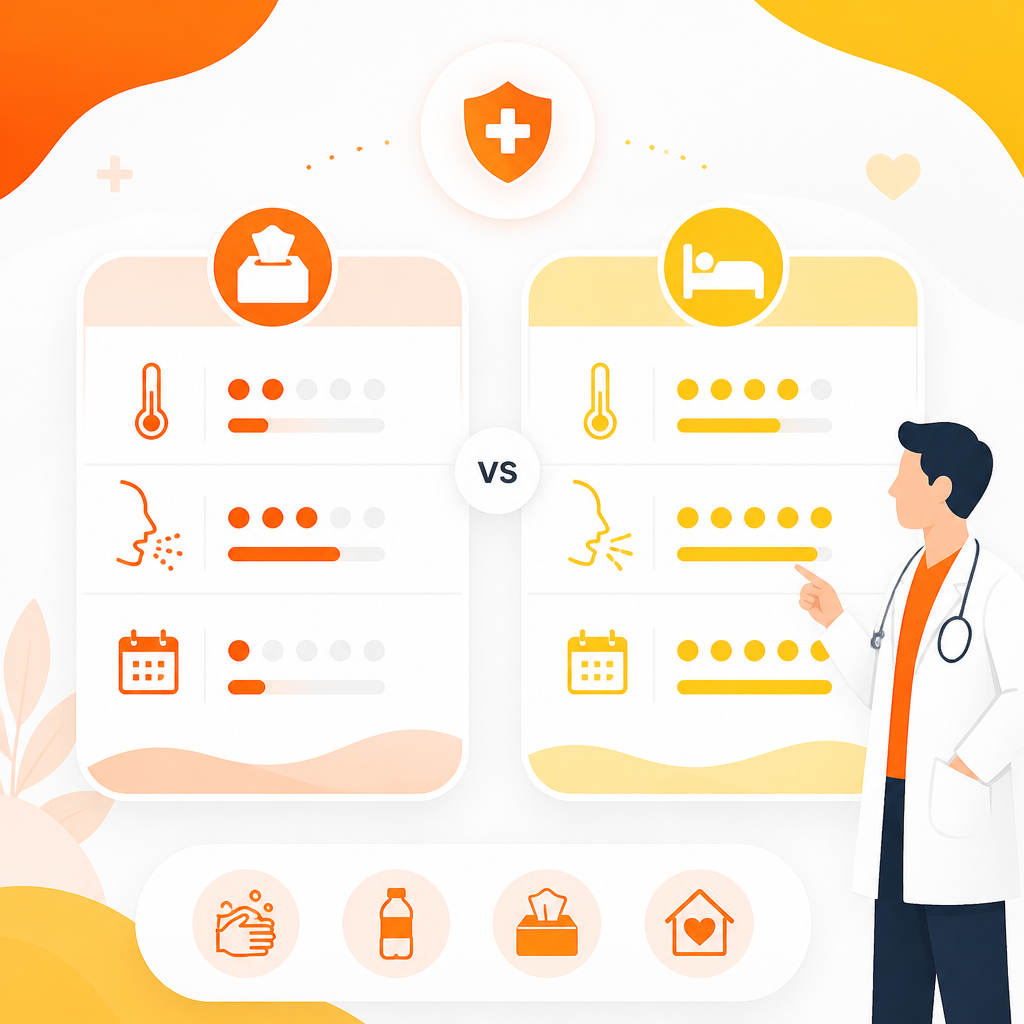
Cold vs Flu: What’s the Difference?
Both colds and flu are caused by viruses and can affect the nose, throat, and lungs. But flu often hits harder and faster.
Symptom Comparison (Common in Teens & Young Adults)
| Symptom | Common Cold | Influenza (Flu) |
|---|---|---|
| Onset | Gradual | Often sudden (sudden “major” illness) |
| Fever | Usually mild or none | Often higher fever and chills |
| Body aches | Mild to minimal | Common and can be severe |
| Fatigue/weakness | Mild to moderate | Often intense—can last days |
| Sore throat | Can happen | Common, especially early |
| Cough | Usually present | Usually strong and more intense |
| Chest discomfort | Occasional | More likely in flu |
| Overall duration | Usually 3–7 days | Often 1–2+ weeks to fully feel better |
If symptoms started suddenly with fever and significant body aches, flu testing can help guide timely treatment.
Flu-Like Symptoms in Teens and Young Adults: What to Watch For
If your child has any combination of these, consider testing
- Fever (especially sudden or high)
- Fatigue and unusual weakness
- Body aches / headache
- Sore throat
- Cough (dry or persistent)
- Congestion / runny nose
- Chills or feeling “washed out”
Urgent warning signs (seek urgent/emergency care)
Bring your child in right away (or call emergency services) for:
- Trouble breathing, wheezing, or bluish lips/face
- Severe chest pain
- Severe dehydration (not peeing, very dry mouth, lethargy)
- Confusion, inability to stay awake, or worsening confusion
- Symptoms that improve briefly and then suddenly get worse again
Why Clinical Testing and Diagnosis Matters (Cold vs Flu)
Many parents assume they can “wait it out.” Sometimes that’s appropriate—but testing can be especially helpful when:
- Symptoms are moderate to severe
- Your teen is high risk (asthma, chronic lung/heart disease, diabetes, immune conditions, etc.)
- You want guidance on school/activity exclusion
- You’re within the window where treatment decisions may matter
Flu testing supports faster, more precise care
For influenza, clinicians may recommend treatments that work best when started early. Testing helps your care team make more confident decisions rather than guessing based on symptoms alone.
It also helps rule out other respiratory diseases & conditions
Even when the goal is “cold vs flu,” symptoms can overlap with other illnesses. Your provider may recommend additional testing when appropriate.
Cold & Flu Testing at Powers Pediatrics (Orlando, FL)
Powers Pediatrics provides clinical testing and diagnosis in a pediatric-focused setting designed for families.
What testing can help identify
- Influenza (flu)
- Other viral respiratory illnesses when symptoms suggest it
- In some cases, additional evaluation (such as throat testing if sore throat is prominent)
Your clinician will determine the best testing plan based on symptoms, timing, and your child’s health history.
Family-centered pediatric care
Since 2008, we’ve served Orlando families with:
- Same-day appointments
- Walk-ins (when available)
- Online appointment requests
- Patient portal access
- Telemedicine when appropriate for follow-up or certain situations
- Medicaid and most major insurance accepted
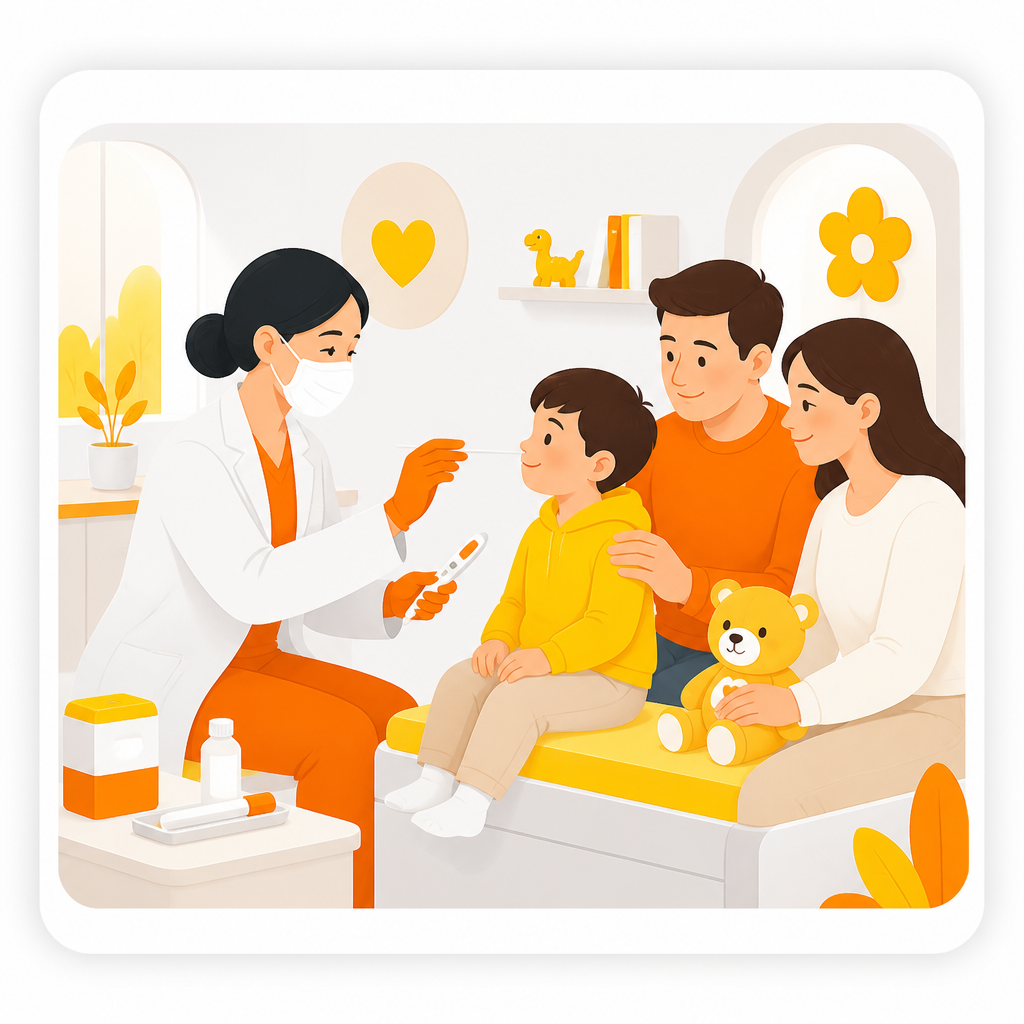
What to Expect During a Cold or Flu Test Visit
We keep things simple, supportive, and teen-friendly.
- Quick check-in & symptom reviewWe’ll ask about onset time, fever pattern, breathing symptoms, and overall activity level.
- Testing as recommendedYour care team will guide you on what to test for and why.
- Clear next-step guidanceWe’ll discuss symptom relief, when to keep your child home, and what to monitor.
- When to follow upYou’ll leave with a plan—no guesswork.
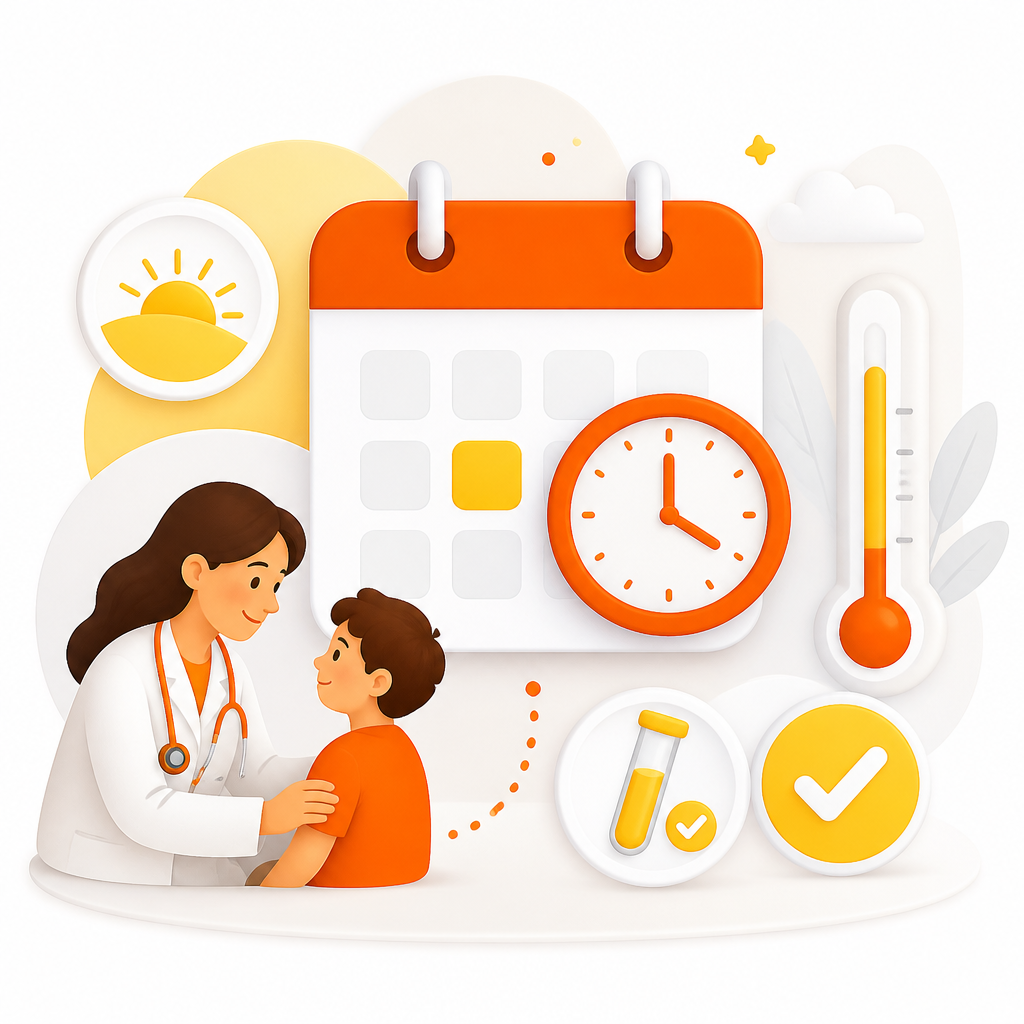
When to Bring Your Teen In (Timing Guide)
Consider getting seen as early as possible if:
- Symptoms began suddenly with fever and significant body aches
- Your teen has cough plus fever and appears much more ill than a typical cold
- Symptoms are worsening rather than gradually improving
- Your teen has underlying conditions that increase complication risk
If it feels like “something more than a cold,” testing can provide peace of mind and better guidance.
Treatment Guidance: Cold vs Flu (What You Can Do Now)
If it’s likely a cold
- Rest and hydration
- Fever/comfort relief (per age and dosing guidance from your clinician)
- Saline for congestion, humidifier, soothing sore throat measures
- Monitor breathing and hydration
If it’s the flu
In addition to supportive care, your pediatric team may discuss options that can be time-sensitive—especially when started early. The goal is to reduce symptom burden and support recovery.
Antibiotics don’t treat flu or typical viral colds. If bacterial complications are suspected, your clinician will advise next steps.
Healthy Living for Faster Recovery (Plus Prevention)
You can’t always prevent respiratory viruses—but you can reduce risk and help your teen recover more comfortably.
Healthy Living habits that make a difference
- Hydration: water, electrolyte drinks, warm liquids if tolerated
- Rest: prioritize sleep; limit intense activity until fully recovered
- Fever & symptom comfort: use medication only as directed by your pediatric team
- Air & congestion support: humidifier, steam showers, saline spray
- Hygiene: handwashing and avoiding shared drinks/utensils
- Home guidance: follow your clinician’s advice on when to stay home
Flu prevention
The flu vaccine is one of the best ways to reduce risk and severity. If you’re unsure about timing or eligibility, ask Powers Pediatrics—we’ll help you create a plan.
For High-Risk Families: Don’t Wait
If your teen or young adult has higher complication risk, earlier evaluation is important. Testing can help guide decisions quickly.
High-risk examples may include:
- Asthma or chronic lung disease
- Heart disease
- Diabetes
- Immune system conditions or long-term medications
- Other chronic medical concerns
Frequently Asked Questions
1) Can a cold and flu look identical?
Yes. Early symptoms can overlap. That’s why testing and clinical diagnosis can reduce uncertainty and improve next-step guidance.
2) How soon should we test?
Earlier is often more helpful. If symptoms started recently and your child is quite ill, contact Powers Pediatrics for same-day guidance.
3) Do we need a test to decide what to do?
Not always—but testing can be valuable when symptoms are stronger than a typical cold, when school/activity decisions matter, or when early flu treatment may be time-sensitive.
4) What about sore throat—could it be something else?
Yes. Flu and cold viruses can cause sore throat, but other causes exist. Your pediatric clinician can recommend additional evaluation if needed.
5) Do you accept Medicaid and major insurance?
Yes. Powers Pediatrics accepts Medicaid and most major insurance.
6) Are walk-ins available?
We offer walk-ins when available, and you can also request an appointment online for faster scheduling.
Ready for Cold vs Flu Testing in Orlando?
If your teen or young adult has flu-like symptoms and you want answers—not guesswork—Powers Pediatrics is here to help.
Get fast, family-friendly testing and clear next steps.
Book Now
- Ask about walk-in availability
- Use our online appointment request
- Message via the patient portal
Powers Pediatrics
Caring, comfortable, family-centered pediatric care in Orlando, serving families since 2008.
If symptoms are severe or your child is struggling to breathe, seek emergency care immediately.