

Telemedicine Virtual Visits for School-Age Children
When your child is sick—or you just have questions before the next school week starts—sometimes the fastest, most reassuring option is care from home. At Powers Pediatrics in Orlando, FL, telemedicine (virtual visits) help families connect with a trusted pediatric provider for mild symptoms, follow-ups, medication questions, and school-related health concerns—with a plan for what to do next.
Or call if needed: call us
Mild symptoms
Virtual guidance to help you understand what to do next at home.
Follow-ups & meds
Review symptoms, go over medication questions, and confirm next steps.
School concerns
Comfort, safety, and planning for the next school day.
Telemedicine Or Virtual Visits: Caring for School-Age Children at Home
Not every pediatric concern requires a trip to the office. Virtual visits make it easier for busy parent and caregiver schedules to get timely guidance, while still ensuring your child is seen in person when hands-on evaluation, testing, or treatment is needed.
A plan for what to do next
When you connect with a provider virtually, you’ll leave with next steps—such as home care guidance, medication instructions (if appropriate), monitoring advice, or a recommendation for an in-office visit/testing.
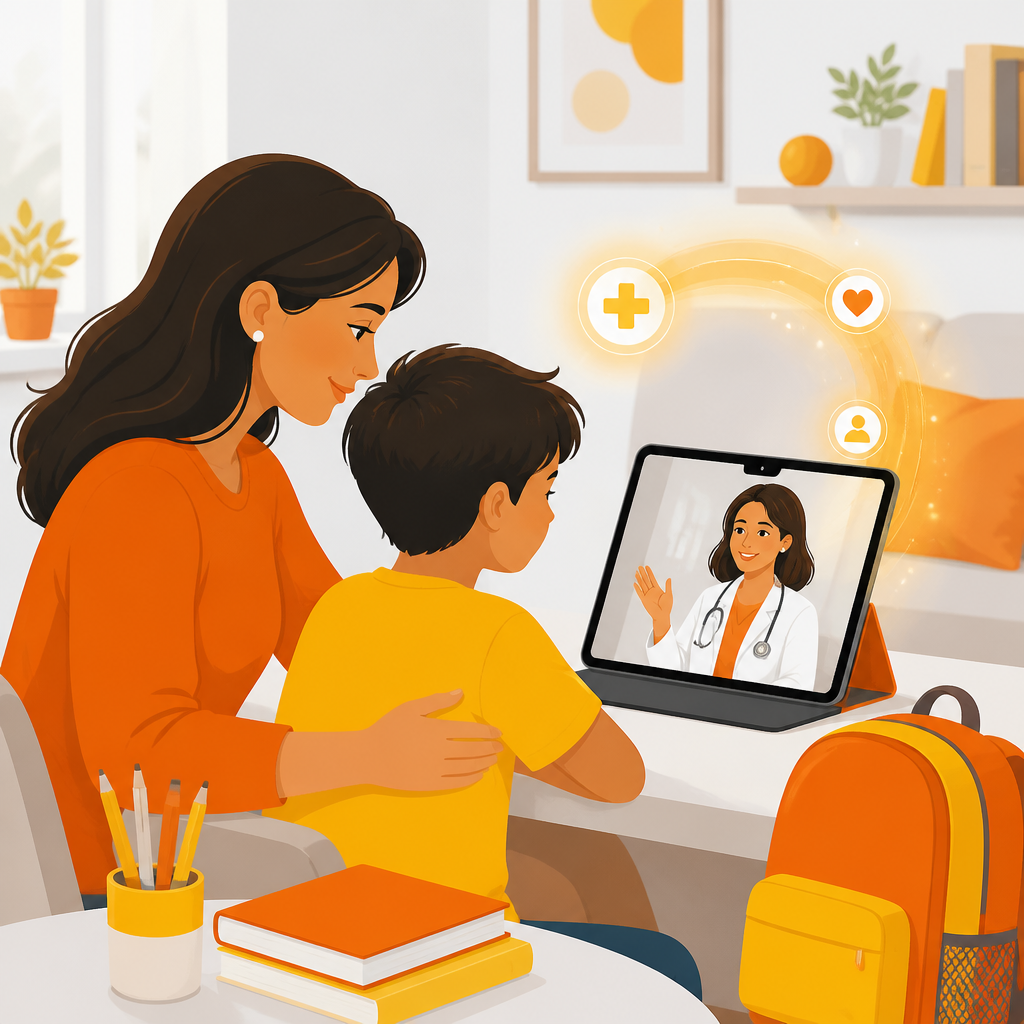
Who These Virtual Visits Are For (School-Age Families)
This care is designed for families with elementary and middle school children who need convenient help with:
- Mild cold/flu-like symptoms
- Follow-ups after a recent visit or test (as appropriate)
- Medication questions (how to give, what to watch for, side effects)
- School-related health concerns (comfort, safety, and next steps)
- Developmental and behavior questions (guidance and care planning)
Quick Answer: When to Choose a Telemedicine Visit
A virtual visit may be a good fit when you want pediatric guidance for concerns like:
- Symptoms that look mild and you’re unsure if they need in-person care
- You need clarification on a diagnosis or treatment plan
- Your child is improving but you have questions about “what now”
- You need help deciding whether to come in for testing or an exam
- You need time-sensitive advice before a school day, sports practice, or bedtime
Telemedicine doesn’t replace emergency care. If your child has severe symptoms, trouble breathing, signs of serious illness, or anything that worries you for immediate safety, seek emergency care right away.
Caring For School-Age Children: Common Reasons Families Use Virtual Visits
Here are the types of concerns many school-age families can discuss from home:
1) Mild illness symptoms
Virtual visits can help assess and guide next steps for common issues such as:
- Cough, sore throat, runny nose
- Mild fever guidance (what’s normal vs. when to be seen)
- Stomach discomfort and vomiting/diarrhea—when it may be safe to monitor
2) Follow-ups and “is this improving?”
If your child was recently seen, a telemedicine visit can be helpful for:
- Reviewing progress since the last visit
- Discussing lingering symptoms
- Confirming whether in-office follow-up is needed
3) Medication questions
Virtual visits are ideal when you need answers about:
- Dosing schedules and how to give medicine correctly
- Expected improvement timeline
- Side effects and what to watch for
- Whether medication should be continued, adjusted, or stopped (based on your provider’s guidance)
4) School-related health concerns
Many families need help quickly when school schedules are tight, such as:
- Guidance on whether your child is well enough for school
- Comfort and symptom support plans to help your child function during the day
- Questions related to allergies or asthma symptoms (when applicable)
- Planning for the next step if symptoms worsen at school
Parent & Caregiver Resources: What Virtual Visits Cover (and What They Don’t)
What virtual visits can do well
- Review symptoms and history
- Ask targeted questions and guide symptom monitoring
- Discuss treatment options and care plans
- Review medication instructions and next steps
- Recommend whether an in-office exam, testing, or in-person treatment is needed
When an in-office visit is likely needed
Your provider may recommend coming in if your child needs:
- A hands-on physical exam that can’t be completed virtually
- Testing that must be done in clinic (as appropriate)
- Treatments requiring in-person care
Tip: Telemedicine is designed to help guide the safest next step—whether that’s home monitoring or an in-office visit.
How Telemedicine Works at Powers Pediatrics (Step-by-Step)
- Request an appointment. Use our appointment options to request a telemedicine visit (or call if needed).
- Connect with your provider. You’ll receive guidance on joining the virtual visit and what to have ready.
- Discuss symptoms and concerns. Your provider will ask questions, help you describe what you’re seeing, and review your child’s history.
- Get a clear plan. You’ll leave with next steps—such as home care guidance, medication instructions (if appropriate), monitoring advice, or a recommendation for an in-office visit/testing.
- Follow through with ease. If further steps are needed, you can coordinate them quickly with the clinic. Patient portal access makes it easier to review after-visit information.

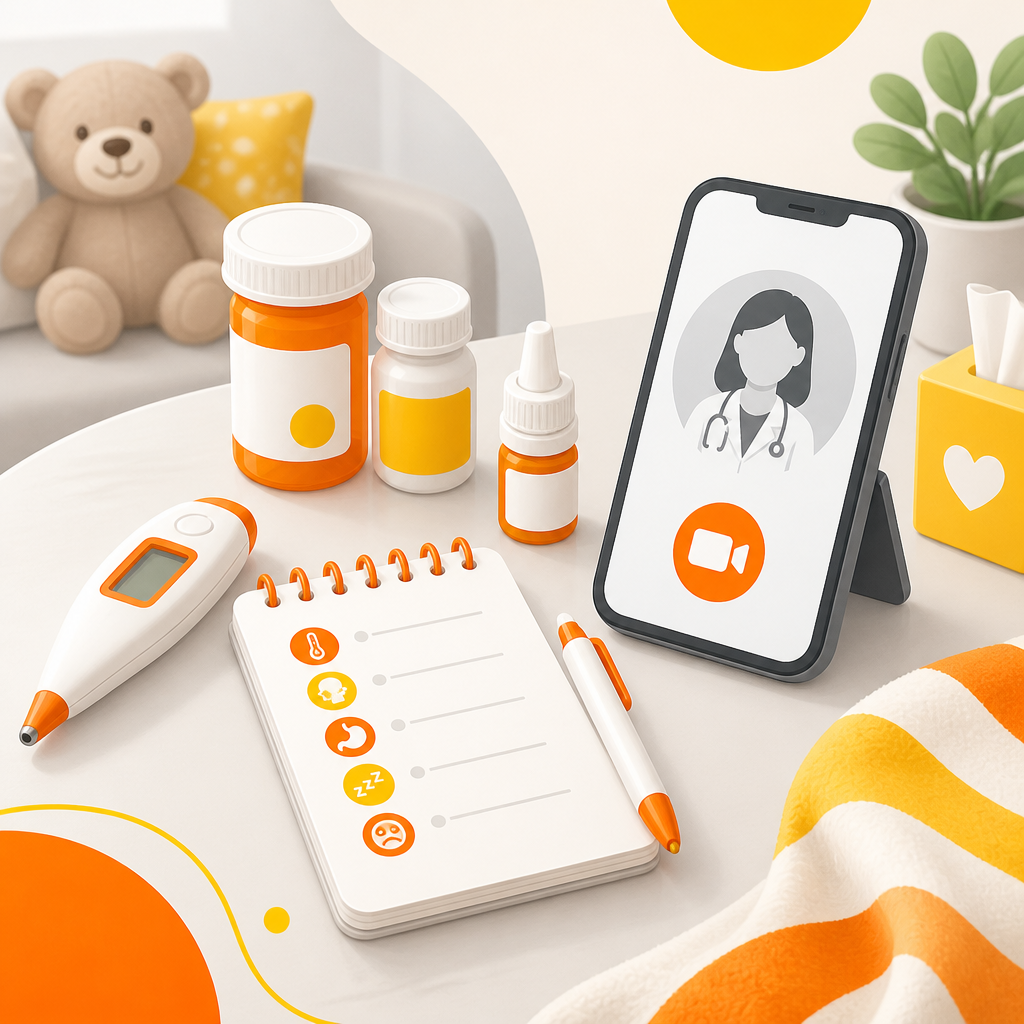
How to Prepare for a Virtual Visit (So You Get Answers Faster)
Before your appointment, gather a few quick items:
- A list of symptoms (when they started and how they changed)
- Any current medications and doses
- Photos or short videos if your provider requests them (helpful for visible symptoms)
- Questions you want answered (meds, school readiness, “should we come in?”)
- Any relevant school forms or notes you’re trying to plan around
Tip: Have your child’s comfort needs in mind—water, a quiet space, and a way to check a thermometer if your provider asks.
What to Expect During the Visit
During the virtual visit, your Powers Pediatrics provider typically focuses on:
- Understanding how your child is doing overall
- Clarifying symptoms and severity
- Reviewing what has been tried at home
- Explaining your options and what to watch for
- Helping you decide the safest next step for your child and your schedule
Telemedicine vs. In-Office Care: Choosing the Right Option
If you’re wondering whether you should bring your child in, a telemedicine visit can be a great starting point. Your provider can help determine whether:
- Home monitoring and guidance is appropriate, or
- Your child needs an in-office exam, testing, or in-person treatment
This can be especially helpful for families trying to balance work, school schedules, and the stress of deciding what’s “serious enough.”
Frequently Asked Questions
Is telemedicine available for common pediatric concerns?
Yes. Many families use virtual visits for mild symptoms, follow-ups, and medication questions—especially when they need quick guidance.
Can a virtual visit handle school-related health issues?
Often, yes. Your provider can advise on comfort, safety, and next steps so you’re better prepared for school schedules.
What if my child’s symptoms get worse?
If your child worsens or your provider advises in-office evaluation, we’ll help you coordinate the next step. Always seek emergency care for severe or urgent symptoms.
Will my child be prescribed medication through telemedicine?
In some situations, your provider may recommend or prescribe treatment based on the information shared during the visit and your child’s needs.
Get trusted pediatric guidance from home.
Book a telemedicine visit with Powers Pediatrics in Orlando, FL for your school-age child’s questions, mild symptoms, follow-ups, and medication guidance.
Schedule a telemedicine visit today through our appointment options, or request care online. If you prefer, you can also use the patient portal for easy follow-up access.